Choosing the Suitable Suit: KF94 Mask & FFP2 Filtration Efficiency in Disposable Non-Woven Fabric Masks
As the environment becomes increasingly complex and variable, choosing a mask that is both safe and comfortable becomes particularly important. This article will introduce the key features of disposable non-woven fabric masks, helping you understand how to select the appropriate mask based on different needs to achieve both easy breathing and comprehensive protection.
Kf94 Mask: Strict Protection Standards
The KF94 mask, with its stringent protection standards, has gained widespread recognition globally. Originating from South Korea, the name “KF94” signifies that the mask can filter at least 94% of non-oily particulates, a standard far exceeding the efficiency requirements for medical surgical masks in China.
In terms of protective performance, the KF94 mask employs multi-layer filtering materials, with at least one layer being meltblown nonwoven fabric, which boasts an extremely high filtration efficiency and can effectively block fine particles in the air, including viruses and bacteria. Additionally, the facial fit of the mask is a key aspect of its protective performance. KF94 masks usually come with a nose clip and adjustable ear bands to ensure a tight seal with the face, minimizing air leakage.
Stringent production processes and material selection are the foundation for the KF94 mask achieving its high protection standards. During the manufacturing process, there are strict regulations on the materials and dimensions of components such as the nonwoven fabric, meltblown layer, and nose bridge. These materials must undergo high-temperature sterilization and rigorous quality testing to ensure the stability and durability of the mask.
The design of the KF94 mask not only focuses on protective effects but also considers the comfort of the wearer. The mask’s interior is often lined with skin-friendly materials to reduce discomfort caused by prolonged wearing. At the same time, the mask has a low breathing resistance, helping wearers to maintain comfortable breathing while being protected.
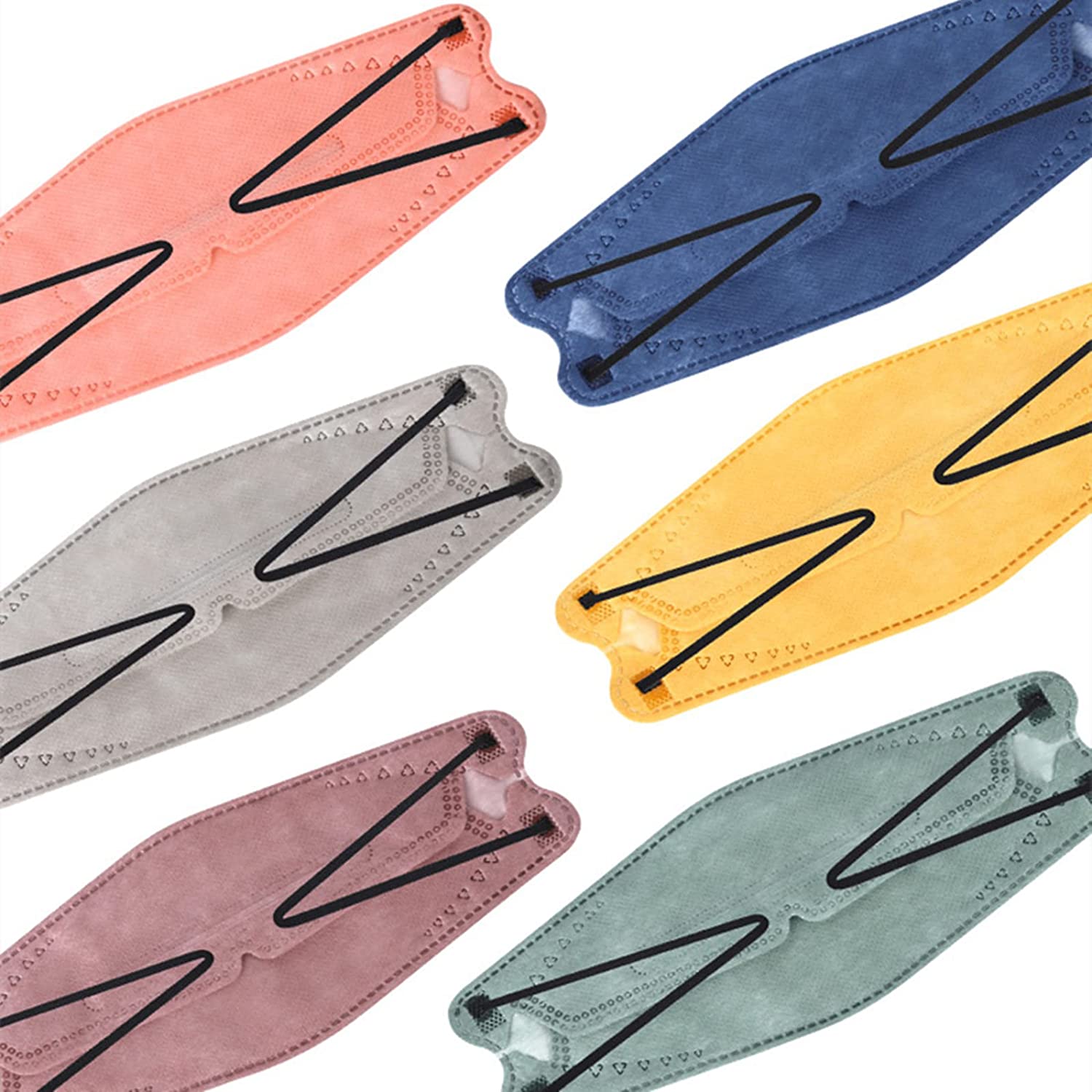
In situations requiring dense air environments, the KF94 mask’s FFP2 grade filtration efficiency makes it an ideal choice. The FFP2 rating means the mask can filter at least 99% of airborne particles, providing a more reliable level of protection for individuals in public places, transportation, and medical environments.
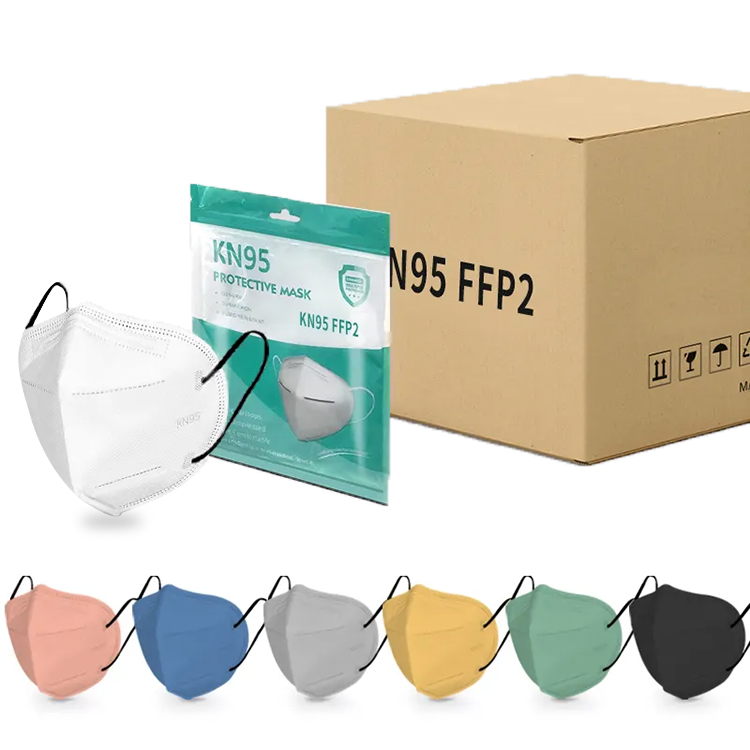
The mask cover of the KF94 mask is typically designed with dense air holes, which are intended to optimize the breathing experience without compromising the filtration effectiveness. These air holes reduce the breathing resistance of the mask, allowing wearers to maintain a comfortable breathing experience even during extended use.
In terms of application scenarios, the KF94 mask is suitable not only for everyday protection but also for medical, industrial, and scientific research fields where air quality requirements are high. For healthcare workers, epidemic prevention staff, and those who need to wear masks for extended periods, the KF94 mask offers comprehensive protection.
The strict protection standards of the KF94 mask demonstrate that it not only has efficient filtration capabilities but also has been carefully designed in terms of material selection, production processes, and wearing comfort. Whether facing viruses and bacteria in daily life or high-intensity protection needs in special environments, the KF94 mask can provide reliable protection.
FFP2 Filtration Efficiency: Appropriate for Dense Air Environments
FFP2 masks, as a high-grade respiratory protective equipment, are characterized by their exceptional filtration efficiency. Designed and tested according to the European standard EN 149:2001+A1:2009, these masks effectively filter airborne particles, including bacteria, viruses, and dust, among others.
In environments with poor air circulation and high concentrations of harmful particles, such as factory workshops, construction sites, or crowded public places, FFP2 masks offer a significant advantage. Their filtration efficiency reaches 94%, which means they can block at least 94% of non-oily particles, particularly effective against particles with a diameter of 0.3 micrometers.
The high-efficiency filtration capability of the FFP2 mask is attributed to the filter material used within it. These materials are typically made up of multiple layers, including at least two layers of meltblown nonwoven fabric, one of which is a static-charged material that can attract fine particles from the air. This structure not only improves filtration efficiency but also ensures the durability and reusability of the mask.
During flu season or in the high-incidence periods of respiratory infectious diseases, the filtration efficiency of the FFP2 mask is even more crucial. It provides wearers with a solid defense, reducing the risk of viruses and bacteria entering the body through the respiratory tract.
The sealability of the FFP2 mask is also a key factor in its protective performance. The nose bridge design of the mask can adapt to different users’ nasal bridge shapes, ensuring a tight fit with the face to minimize air leakage from the edges of the mask, thereby enhancing overall protective effectiveness.
Regarding breathing resistance, although the FFP2 mask has a high filtration efficiency, designers also take into account the comfort of the wearer. The interior of the mask often includes skin-friendly materials to reduce discomfort during prolonged wear. Moreover, some high-end FFP2 masks incorporate an activated carbon layer to further reduce resistance when exhaled gases are released, improving the wearer’s breathing experience.
The filtration efficiency of the FFP2 mask is its key performance when dealing with dense air environments. It not only provides high-level particle protection for wearers but also offers a safe and reliable protective guarantee to users who may be exposed to harmful particle environments, all while ensuring comfort.
Intensive air pore design: a balance between breathability and protection
The dense air pore design plays a crucial role in disposable non-woven fabric masks. This design not only considers the comfort of the user’s breathing but also takes into account the protective effect.
The pore size is reasonable, allowing for unobstructed breathing. The dense air pores in the mask are not simply arranged as holes, but are the result of precise calculations and testing. This design ensures that air flows freely while preventing the direct inhalation of fine particles, ensuring smooth breathing.
High-efficiency filtering materials and optimized pore layout. The pores around these holes are lined with high-efficiency filtering materials, which can effectively capture particles in the air, such as viruses and bacteria. The layout of the pores is carefully designed to ensure that the air flow maximizes the filtering effect when passing through, reducing the resistance of the filtering materials.
Extraction of moisture, providing a dry and comfortable experience. During breathing, moisture is produced inside the mask, and the design of the dense air pores helps to expel moisture quickly, preventing the mask from becoming damp inside and keeping the face dry, enhancing the comfort of wearing the mask.
Low breathing resistance, reducing the sensation of pressure. The reasonable distribution of the dense air pores reduces the resistance during breathing while fitting the face, making it less likely to cause pressure on the face and not uncomfortable to wear for long periods.
Applicable to various environments, with stable protective effects. Whether indoors or outdoors, the dense air pore design ensures protective performance while adapting to different air flow conditions, ensuring stable protective performance in different environments.
Easy to maintain and convenient to replace. The dense air pore design makes it easier to replace the mask, requiring no complex disassembly, just a simple removal. Additionally, this design also facilitates the cleaning and maintenance of the mask, extending its service life.
The dense air pore design is a major highlight of disposable non-woven fabric masks. Through meticulous engineering design, it achieves a perfect balance between smooth breathing and protective performance, providing users with a comfortable and safe wearing experience.
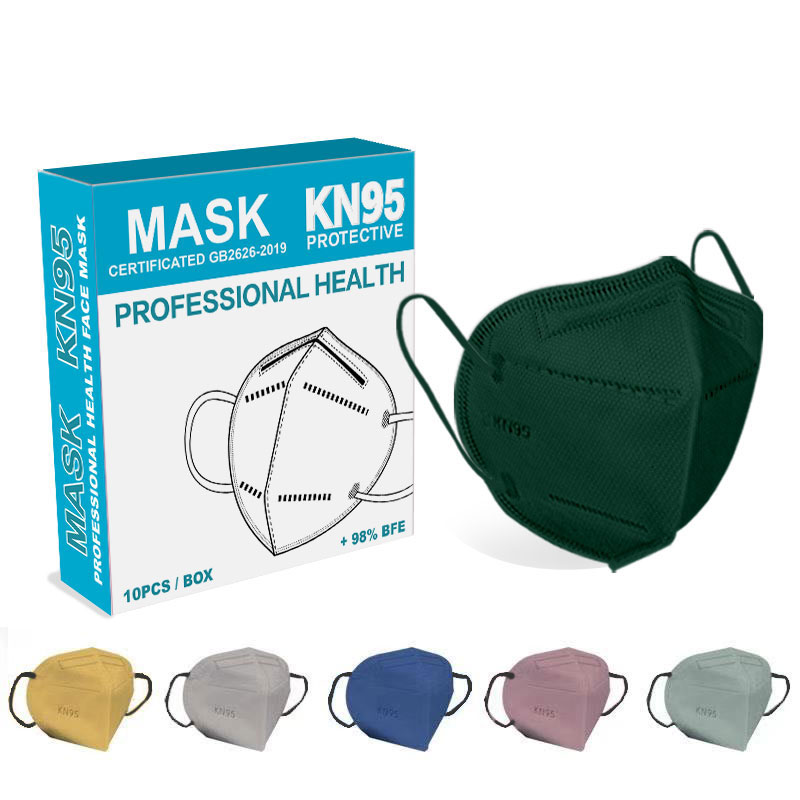
Non-woven fabric material: Durability and Hygiene
Spunbond non-woven mask excel in durability and hygiene because of their particular fabric benefits. underneath is a selected description of the spunbond cloth:
Spunbond non-woven is a non-woven material made from chemical fibers, produced through physical or chemical strategies. It possesses the subsequent characteristics:
-
light-weight and Breathable: The spunbond material used in non-woven mask is light and smooth, with exact breathability. Even during extended wear, it continues comfortable breathing and decreases discomfort for the wearer.
-
Water and Oil-Resistant: Spunbond fabric has positive water and oil-resistant houses, effectively blockading splashes of drinks and lowering external pollution from infiltrating the inner layer of the masks, for that reason preserving the internal of the mask smooth.
three. Antibacterial and Antiviral: The spunbond cloth is handled in a unique way to have antibacterial and antiviral functions, which can inhibit the growth of micro organism and viruses, providing extra protection for the wearer.
four. pretty durable: The durability of the spunbond masks is clear in its shape, with more than one layers of spunbond material forming the principle frame of the masks. it is able to resist positive pressures, isn’t always effortlessly damaged, and has a long service life.
five. without difficulty cleanable and Disinfectable: The smooth floor of the spunbond masks makes it handy for cleaning and disinfection. it may be disinfected by using spraying disinfectant or the use of high-temperature steam, as a result maintaining the masks’s cleanliness.
-
** and Biodegradable**: as compared to conventional plastic mask, spunbond masks are extra environmentally friendly, as their materials are biodegradable and do no longer reason lengthy-term pollutants to the surroundings.
-
Adaptable: The spunbond fabric has proper adaptability and extensibility, which can be adjusted consistent with one-of-a-kind facial shapes, ensuring a very good in shape with the face and enhancing the protecting effect.
eight. price-effective: The spunbond fabric has a extraordinarily low value, that’s beneficial for lowering the production prices of mask, making the product greater aggressive in the market.
In summary, the advantages of spunbond material in phrases of durability and hygiene make it an ideal preference for masks production. whether for daily protection or use in special environments, spunbond mask can offer dependable protection.
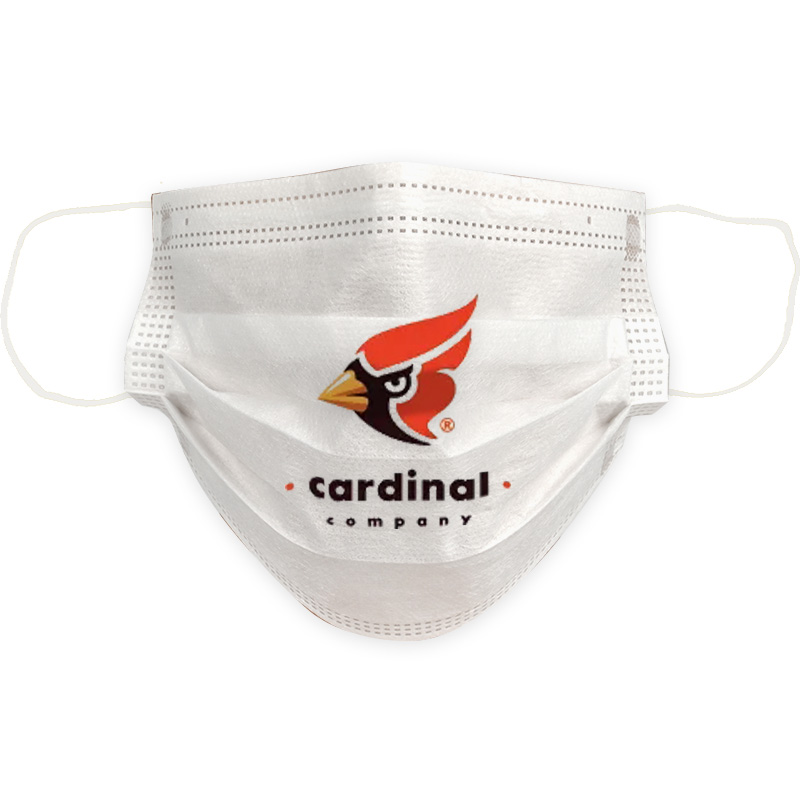
All-round Protection Needs
Non-woven fabric masks, with their lightweight and portable features, demonstrate their protective value in various scenarios. The following is a specific description of their applicable situations and populations:
On public transportation, such as subways, buses, and planes, where crowds are dense and air circulation is poor, non-woven fabric masks can effectively block the spread of droplets and reduce the risk of respiratory diseases, particularly suitable for those who frequently use public transportation, such as office workers and students.
In medical institutions, medical staff need to wear non-woven fabric masks when in contact with patients to prevent cross-infection. These masks have good fit, providing an additional layer of protection for healthcare workers.
For outdoor workers, such as construction workers and garden maintenance personnel, non-woven fabric masks can prevent dust and particles from entering the respiratory tract, protecting lung health.
In family environments, especially during flu season or when respiratory diseases are prevalent, wearing non-woven fabric masks by family members can reduce cross-infection between them.
In enclosed spaces such as gyms, cinemas, and theaters, non-woven fabric masks are also a good choice for maintaining personal hygiene and ensuring the safety of others.
For people with allergies, non-woven fabric masks can filter out allergens in the air, such as pollen and dust, alleviating allergic symptoms.
For travelers, non-woven fabric masks are easy to carry and can be used to deal with uncertain air quality during travel, such as in airplanes and trains.
During natural disasters like earthquakes and floods, non-woven fabric masks can be used as emergency supplies to protect the affected population from air pollution and respiratory diseases.
For special occupation groups, such as food processing personnel and laboratory researchers, non-woven fabric masks are an essential personal protective equipment for daily work.
Non-woven fabric masks have a wide range of applicable scenarios, covering various aspects of daily life. Whether for personal health or public safety, they are a trustworthy protective product.
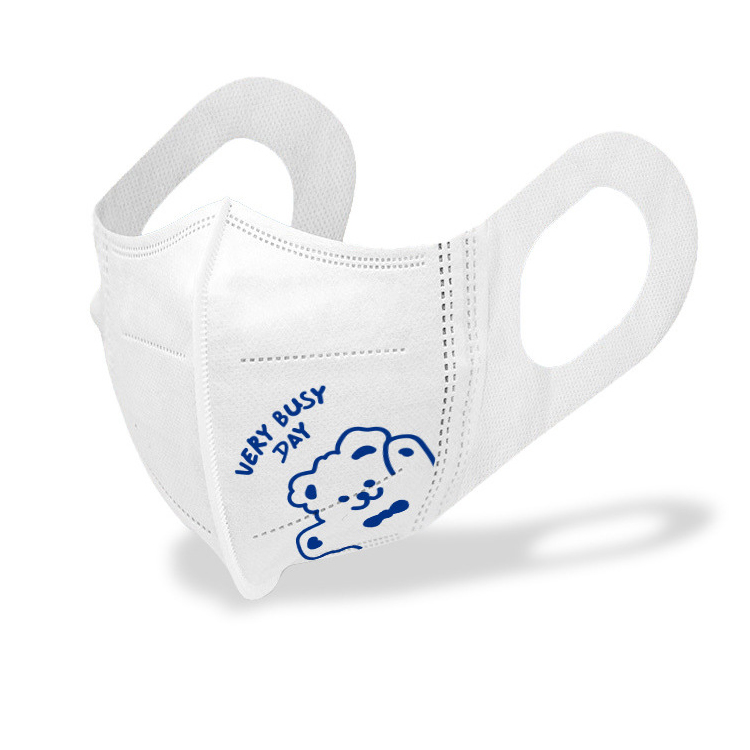
Selection Guide: Purchase Considerations
When choosing disposable non-woven fabric masks, the followingshould not be overlooked:
-
Filtering Grade Confirmation: Understanding the filtering grade of the mask is crucial. Ensure that the mask meets the FFP2 or Kf94 standard, as these levels effectively filter at least 94% of particles and are suitable for use in environments with high air pollution or virus transmission risks.
-
Fit Check: The fit of the mask is crucial for its protective effectiveness. When selecting, make sure the mask can fit the face tightly, particularly the bridge of the nose. A mask that does not fit well may have gaps, reducing its protective effect.
-
Comfort Consideration: Long-term mask wearing makes comfort particularly important. Choose masks made of soft, breathable materials to reduce discomfort during wear.
-
Breathability: While masks need good filtering effectiveness, excessive breathing resistance can affect breathing. When selecting, try wearing the mask to feel if breathing is smooth.
-
Wearing Method: Proper mask wearing is key to protection. Ensure that the metal strip of the mask is fully fitted to the bridge of the nose, the top edge of the mask is close to the forehead, and the bottom edge is close to the chin, to prevent the mask from flipping over.
-
Material and Durability: Non-woven fabric masks are typically made of meltblown non-woven fabric, which is durable and easy to clean. When purchasing, pay attention to the durability of the mask to extend its service life.
-
Brand and Certification: Choose products from well-known brands, as these brands often have stricter quality control. Also, check for relevant certification marks, such as CE certification, FDA certification, etc., to ensure the safety and effectiveness of the product.
-
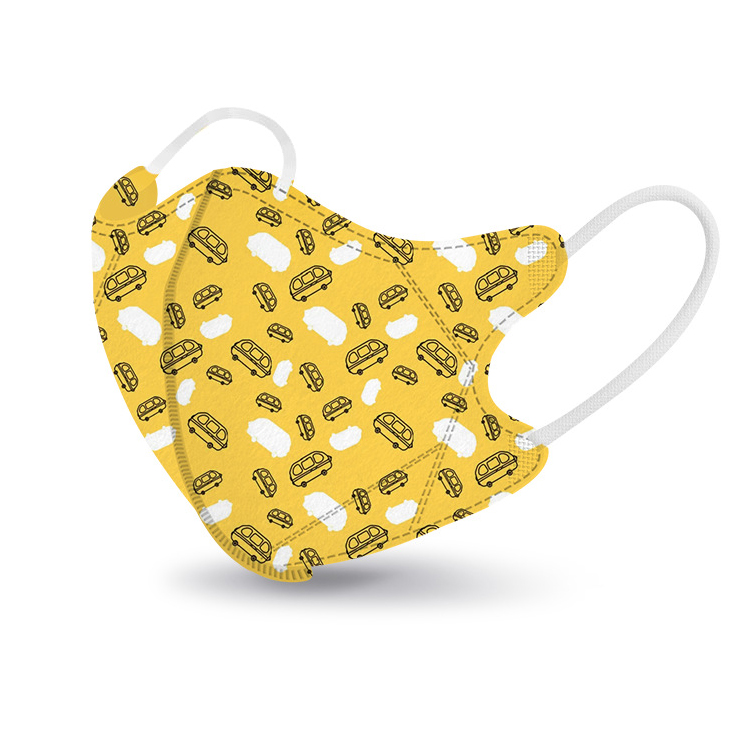
Color and Pattern: Although color and pattern may affect aesthetics, they should not be the main selection criteria. Functionality should be the primary consideration.
-
Mask Sealing: Check if the mask has a sealing strip or nose clip, which help improve the sealing of the mask and prevent air from leaking from the edges.
-
Packaging and Storage: Ensure that the packaging of the mask is intact to avoid contamination before use. Additionally, store the masks away from moisture and high temperatures to prevent them from affecting the performance of the mask.
By paying attention to these points, consumers can make more informed choices when selecting disposable non-woven fabric masks, ensuring both protective needs and the comfort and safety of daily use.