Why Lab Gowns Are Used in BSL-3 Labs Instead of Lab Coats: Gowns vs. Coats, Suits
In highly specialized biosafety laboratories, particularly in BSL-3 (Biosafety Level 3) facilities, the risk of biological hazards faced by staff is extremely high. Therefore, the selection of appropriate personal protective equipment (PPE) is crucial. This article will discuss why the laboratory gown is typically used as the primary protective gear in BSL-3 laboratories, rather than the conventional laboratory coat. Below is a comparison of the protective characteristics of these two garments, as well as the necessity for strict protection.
Advanced-level biological safety laboratory protection requirements
-
In high-level biosecurity laboratories, protective needs are crucial, aimed at preventing the leakage and spread of hazardous biological agents. These laboratories deal with pathogens of higher hazard levels, often involving potentially lethal microorganisms such as viruses and bacteria.
-
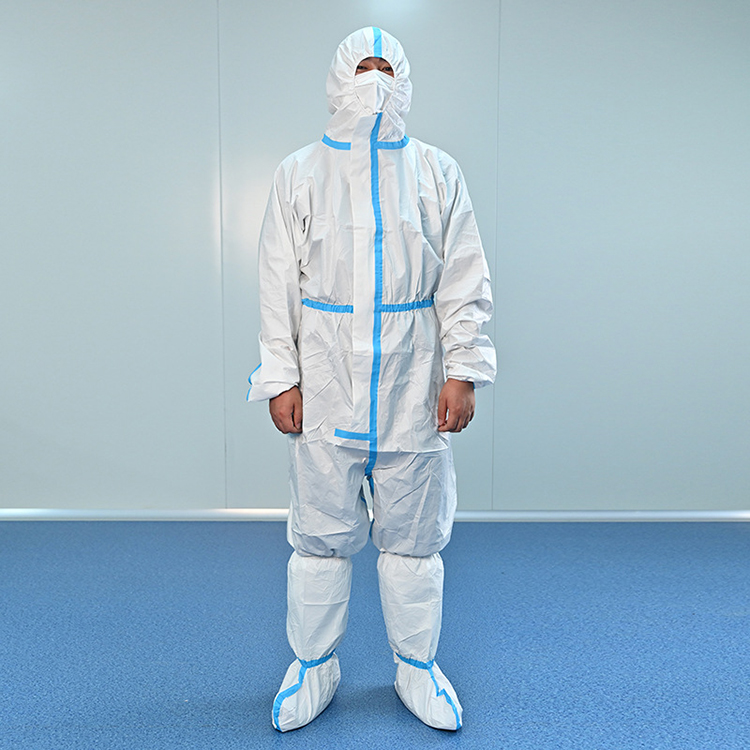
The protective needs against pathogens are initially reflected in physical barriers, requiring that the protective suits worn by laboratory staff must be able to withstand penetration by microorganisms. Therefore, the design of the laboratory gown (protective suit) must not only consider comfort and functionality but also ensure its sealability and antimicrobial properties.
-
Protective suits used in high-level biosecurity laboratories are typically made of impermeable materials, which can effectively prevent the penetration of liquids and aerosols. Such materials can reduce the risk of pathogens spreading through skin contact or respiratory pathways.
-
The sealing performance of the protective suit is also critical, requiring seamless connections between different parts of the garment to prevent the accumulation of microorganisms in potential gaps within the clothing. The gown design used in BSL-3 laboratories features a tight fit to achieve the best sealing effect.
-
In addition to sealing, protective suits need to have good durability and resistance to chemicals, to adapt to the disinfectants, reagents, and other chemical substances that may be encountered in the laboratory.
-
To ensure the safety of staff in high-temperature environments, protective suits also need to have good breathability while maintaining dryness, reducing the risk of pathogens being carried by sweat.
-
Furthermore, high-level biosecurity laboratory protective suits must also consider ease of wear, allowing for quick donning in emergency situations. For example, some gowns are designed with removable hoods and gloves, facilitating necessary personal cleaning before entering the laboratory.
-
In addition to protective suits, the laboratory needs to be equipped with other protective equipment such as safety goggles, face shields, and protective boots to provide comprehensive protection against biological hazards.
-
In high-level biosecurity laboratories, protective needs also involve the strict control of laboratory air. The air inside the laboratory must be filtered through high-efficiency particulate air (HEPA) filters to reduce the concentration of pathogens in the indoor air.
-
The entrance and exit of the laboratory are also strictly regulated, requiring that all personnel entering and leaving must go through disinfection procedures to prevent pathogens from being introduced or transmitted from the external environment.
-
The protective needs in high-level biosecurity laboratories also involve the monitoring and tracking of pathogens. The laboratory must establish a comprehensive pathogen detection and monitoring system to ensure the timely detection and control of potential risks.
-
In summary, the protective needs in high-level biosecurity laboratories encompass multiple aspects from personal protective equipment to laboratory environmental control, with the core objective of ensuring the safety of staff and the stability of the environment, and preventing the transmission and spread of pathogens.
BSL-3 Laboratory Risks and Challenges
In a BSL-3 (Biological Safety Level 3) laboratory, researchers face a variety of risks and challenges, which are described as follows:
High Risk Experimental Materials: BSL-3 laboratories are designed for highly pathogenic agents that pose a severe threat to human health. These may include certain viruses, bacteria, and fungi that are difficult to survive in the external environment but can carry significant risks once they enter the laboratory.
Complex Operation Procedures: Conducting experiments in a BSL-3 laboratory requires researchers to strictly adhere to operational protocols, which include wearing protective gear, using biological safety cabinets, and disposing of waste. These procedures are intricate and require a high level of skill and experience from the researchers.
Potential Infection Risk: Given the high danger of the experimental materials, researchers are at risk of infection during operations. To mitigate this risk, the laboratory must implement stringent personal protective measures, such as wearing protective suits, gloves, and goggles.
Laboratory Environmental Control: BSL-3 laboratories have stringent requirements for environmental control, including air quality, temperature, humidity, and pressure. The laboratory must be equipped with professional air purification systems, disinfection equipment, and other facilities to ensure the environment meets safety standards.
Emergency Response Capabilities: In the event of an accidental infection in a BSL-3 laboratory, an emergency response plan must be immediately initiated. The laboratory must have the ability to rapidly detect, isolate, disinfect, and provide medical treatment to reduce the risk of infection.
Personnel Training and Qualification: Researchers in BSL-3 laboratories must undergo professional training to understand the characteristics of the experimental materials, operational procedures, and protective measures. The laboratory also needs to conduct regular assessments to ensure that personnel possess the necessary qualifications.
Biosecurity Oversight: BSL-3 laboratories are subject to supervision and inspection by national and local biosecurity regulatory authorities. The laboratory must comply with relevant regulations to ensure that experimental activities meet biosecurity standards.
Laboratory Facilities and Maintenance: The construction, equipment configuration, and maintenance of BSL-3 laboratory facilities are highly demanding. The laboratory must be equipped with professional biological safety cabinets, disinfection equipment, waste disposal systems, and other facilities, and these should be regularly maintained and tested.
International Cooperation and Exchange: Due to the highly sensitive nature of the research conducted in BSL-3 laboratories, international cooperation and exchange are particularly important. The laboratory needs to maintain close contact with other countries and institutions, share experimental data and technical experience, and collectively address global biosecurity challenges.
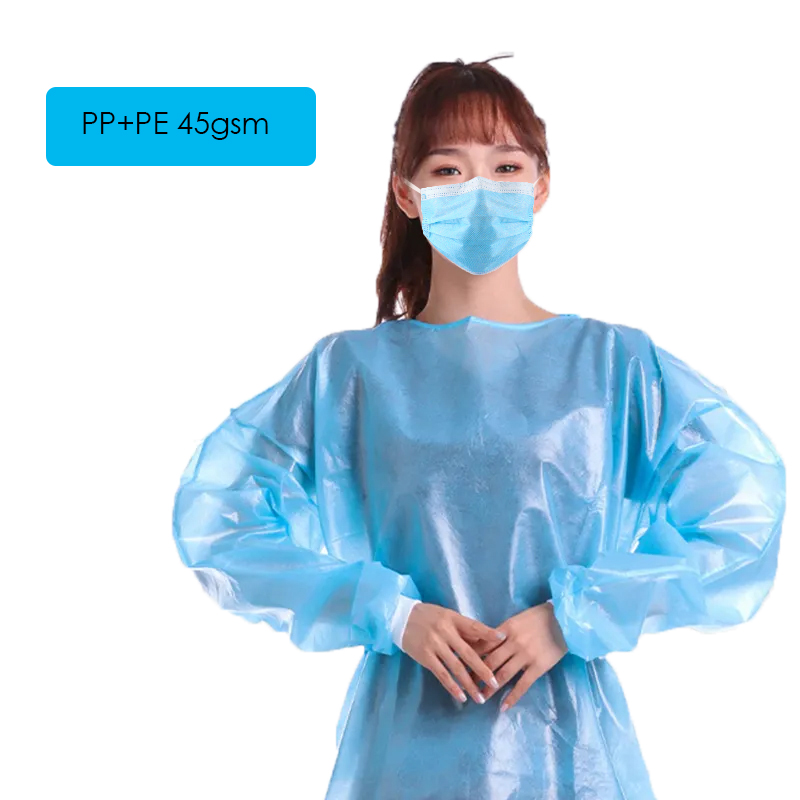
Laboratory gown protective characteristics
the gown utilized in BSL-3 (BioSafety degree three) laboratories, specially, possesses a sequence of specific defensive traits, as exact beneath:
-
cloth selection: gowns used in BSL-three laboratories are generally crafted from water-proof materials such as polyethylene or polyester fibers, which efficiently block the penetration of pathogenic microorganisms and prevent go-contamination.
-
near fit: The design of the gown calls for it to suit tightly in opposition to the body to limit the chance of publicity to airborne dangers. This tight healthy guarantees that even within the occasion of unintended leaks, pathogens are less probable to penetrate the protective healthy.
-
the front starting and Zipper: gowns typically feature a front beginning and zipper layout for ease of wearing and removal, while minimizing exposure of the top and hands. The zipper design additionally enables to ensure the integrity of the robe at some point of the dressing system.
-
protecting Layers: a few gowns are designed with extra protective layers, which includes an internal impermeable fabric and an outer water-resistant layer, similarly enhancing the protecting competencies.
five. Anti-static properties: In BSL-3 laboratories, static strength can appeal to microorganisms from the air, so gowns often have anti-static properties to lessen this chance.
-
Dustproof layout: To prevent pathogens in dust from getting into the laboratory, the seams of the gown are designed to be very tight, reducing the intrusion of dust.
-
reinforced shielding regions: In a few gowns, the elbows and knees, that are liable to wear, are made with greater long lasting materials to increase the protection and lifespan of those areas.
eight. clean to Disinfect: To make sure that the gown continues effective protective houses after every use, the fabric of the robe is generally easy to disinfect, together with being capable of withstand excessive-temperature and high-pressure steam sterilization or chemical disinfection.
nine. protection Warnings: To remind wearers of the risks inside the laboratory, a few robes can be published with protection warning symbols, as well as reminders of precautions to be taken.
- private identity: To control laboratory employees and materials, gowns may encompass personal identification codes or labels to facilitate tracking and recording of utilization.
thru those characteristics, the BSL-three laboratory gown presents the vital protection for researchers, making sure that the threat to themselves and others is minimized whilst dealing with pretty pathogenic pathogens.
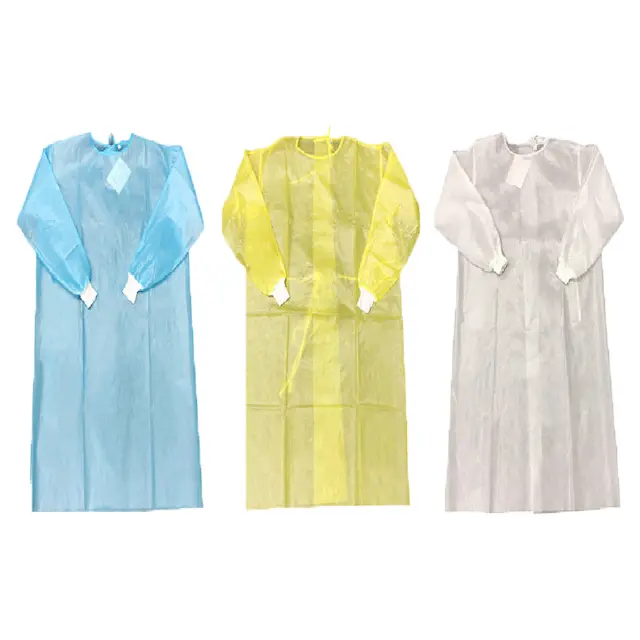
Please compare with the laboratory coat.
There are significant differences between lab gowns and coats in terms of design, material, coverage range, and protective level:
-
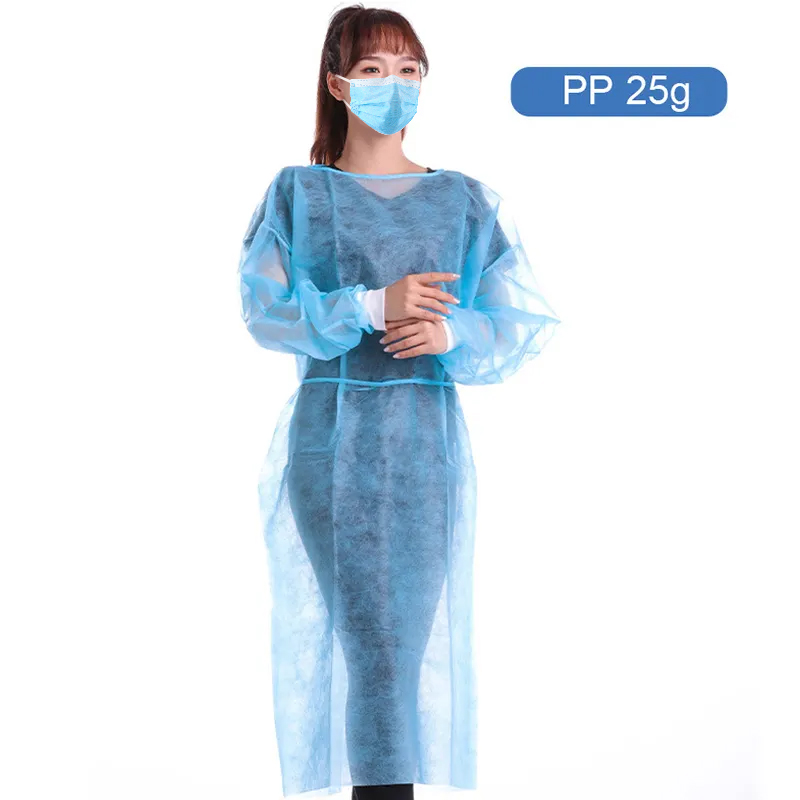
Material Differences: Gowns typically use waterproof materials such as polyethylene or polyvinyl chloride, which effectively block the penetration of liquids and microorganisms. Coats, on the other hand, are usually made of cotton or synthetic fibers, although there are also waterproof styles, but they generally have weaker protective performance than gowns.
-
Structural Design: Gowns are designed with a focus on overall sealing, including special designs at the neckline, sleeve cuffs, and hem, ensuring that the wearer’s skin is not exposed during operations. In contrast, coats are designed with more emphasis on comfort, with a looser structure and less sealing than gowns.
-
Coverage Range: Gowns have a wider coverage range, requiring complete coverage from the head to the feet to ensure full-body protection. Coats have a relatively smaller coverage range, covering only the upper body and providing insufficient protection for the lower body.
-
Protective Level: Gowns have a higher protective level, particularly in preventing splashes of liquids and the transmission of microorganisms. In high-risk environments such as BSL-3 laboratories, gowns provide more comprehensive protection. Coats have weaker protective capabilities in such environments.
-
Ease of Donning and Doffing: Although gowns have superior protective performance, their process of donning and doffing is relatively complex and requires strict adherence to operational procedures. Coats, however, are easier to put on and take off, making them suitable for daily laboratory operations.
-
Durability: Gowns, due to their special material, are corrosion and heat-resistant, with a longer service life. Coats have relatively lower durability, especially in environments where they frequently come into contact with chemicals or high temperatures.
-
Adaptability: During operations, gowns, with their broad coverage range, may affect the wearer’s vision and flexibility. Coats, designed with ergonomics in mind, allow the wearer to maintain better operational flexibility.
-
Cleaning and Disinfection: Gowns require strict cleaning and disinfection procedures after use to ensure the protective effectiveness for the next use. Coats are easier to clean and disinfect, but still need to be cautious to prevent cross-contamination.
In summary, gowns have more superior protective characteristics in high-risk environments such as BSL-3 laboratories, especially in preventing splash of liquids and transmission of microorganisms. However, in actual operations, it is necessary to choose appropriate protective equipment based on specific experimental requirements and environmental risks.
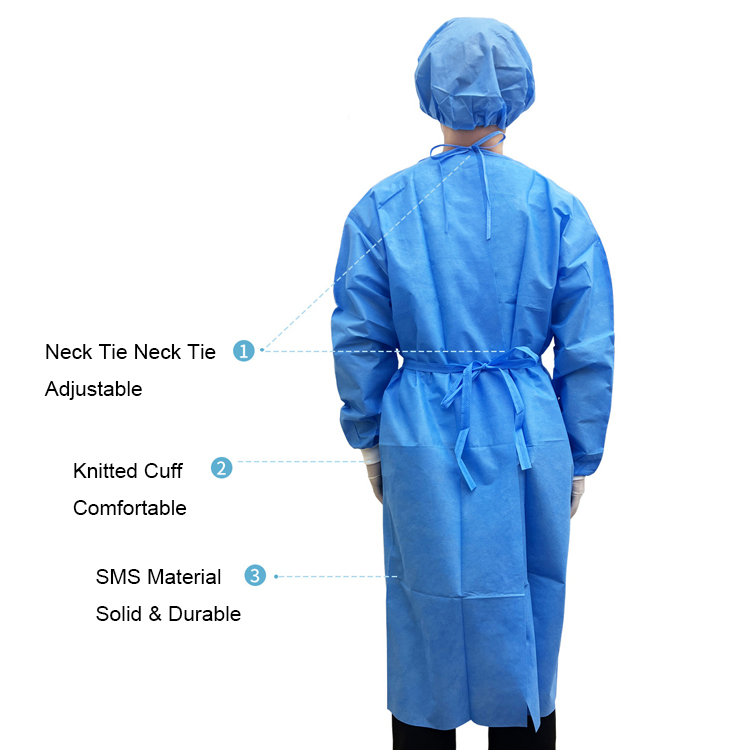
Necessity of Strict Protection
The gown used in BSL-3 (Biosecurity Level 3) laboratories as an essential protective equipment demonstrates a higher level of protective requirements in multiple aspects compared to conventional laboratory coats. The following is a comparison between the two:
-
Protection Range and SealingThe gown design for BSL-3 laboratories emphasizes comprehensive full-body protection, covering the head, neck, arms, body, and legs, ensuring that the experimenter is in an isolated state from top to bottom. Compared to coats, the gown typically features a adjustable hood at the neck and long sleeves that seal tightly around the wrists, preventing potential contaminants from entering through the sleeve openings. Moreover, the gown has enhanced sealing performance, with a design that clings closely to the skin and possible additional sealing measures such as wind hoods and gloves, effectively reducing the risk of pathogens in the air entering the experimental area.
-
Material Selection and DurabilityThe gown used in BSL-3 laboratories is usually made from high-grade impermeable materials such as polyethylene or special synthetic fibers. These materials can withstand the erosion of strong acids, bases, and organic solvents while maintaining good breathability. Compared to coats, the material of the gown is more robust and durable, capable of withstanding long-term working pressure and reducing the decline in protective performance due to wear and tear.
-
Convenience and AdaptabilityThe design of the BSL-3 gown focuses on the convenience of the operator, such as quick-on/quick-off designs, easily removable sleeves, and ankles. Additionally, the gown comes in various sizes to accommodate different body types, ensuring that each experimenter can receive appropriate protection. In contrast, the design of the coat may place more emphasis on appearance or daily use, which may not meet the specific requirements of the laboratory.
-
Additional FunctionsThe BSL-3 gown may be equipped with additional protective functions, such as antistatic treatment and oil-resistant properties, which help reduce accidental contamination during experiments. The coat may give less consideration to these additional functions.
-
Maintenance and DisinfectionThe maintenance and disinfection procedures for the BSL-3 gown are more stringent than those for a coat. Due to the higher protective level of the gown, its cleaning and disinfection process requires more professional equipment and a longer processing time to ensure that it is sterile before each use.
In summary, the gown used in BSL-3 laboratories excels in terms of protection range, material selection, convenience, additional functions, and maintenance and disinfection compared to conventional laboratory coats. These characteristics collectively ensure strict protection requirements when handling highly pathogenic pathogens.