Why Lab Gowns are Used in BSL-3 Labs Instead of Lab Coats or Suits
In organic protection laboratories, unique stages of laboratories have stringent requirements for shielding measures. BSL-three laboratories, as excessive-danger environments, require cautious selection of defensive device. this text will speak why laboratory robes are greater desired than laboratory overalls in BSL-3 laboratories.
Special characteristics of a BSL-3 (BioSafety Level 3) laboratory
The of the Level 3 Biocontainment Laboratory (BSL-3) is reflected in its high standards of biosafety protection and rigorous environmental control. The following are several key features:
-
Research on Highly Infectious PathogensBSL-3 laboratories are specifically designed for the study of pathogens that pose a high level of infectivity and potential lethality to humans. These pathogens may include certain viruses (such as Ebola virus, Severe Acute Respiratory Syndrome coronavirus) and bacteria (such as anthrax).
-
Strict Environmental ControlTo prevent the release and cross-contamination of pathogens, BSL-3 laboratories must have stringent environmental control measures. This includes negative pressure systems, air filtration, and disinfection facilities, ensuring that the air flow within the laboratory is from clean areas to contaminated areas.
-
Necessity of Personal Protective Equipment (PPE)In BSL-3 laboratories, staff must wear full personal protective equipment, including lab coats, protective suits, gloves, goggles, and face masks. These protective gear are designed to minimize direct contact between pathogens and the skin, respiratory system, and eyes.
-
Laboratory Layout and ProceduresThe layout of BSL-3 laboratories is critical, typically consisting of multiple areas, including preparation areas, work areas, buffer zones, and shower rooms. Each area has specific functions, and the workflow strictly follows the order from clean to contaminated to reduce the risk of cross-contamination.
-
Biosafety MeasuresIn addition to physical protective measures, BSL-3 laboratories must implement a series of biosafety measures, such as regular disinfection, waste disposal, and standard operating procedures for experiments. These measures ensure that all operations within the laboratory are conducted under safe conditions.
-
Emergency Preparedness and TrainingDue to the highly infectious nature of the pathogens studied in BSL-3 laboratories, the laboratories must have emergency preparedness plans, including procedures for isolation, disinfection, and evacuation during emergencies. Additionally, all staff must undergo rigorous biosafety training to ensure they can handle potential risks correctly.
-
International Cooperation and RegulationDue to the of BSL-3 laboratories, laboratories and research institutions worldwide typically need to comply with international biosafety standards and guidelines. This includes adhering to the World Health Organization (WHO) and International Biosafety Laboratory Guidelines.
-
Importance of Scientific Research and Public HealthThe research conducted in BSL-3 laboratories is crucial for understanding the mechanisms of pathogen transmission, developing vaccines, and treatments. These studies have profound impacts on public health and global health security.
In summary, the uniqueness and importance of the Level 3 Biocontainment Laboratory (BSL-3) are manifested in its research on highly infectious pathogens, strict environmental control, comprehensive personal protection, refined laboratory layout and procedures, stringent biosafety measures, and international cooperation and regulation. These features collectively constitute the distinctiveness and significance of BSL-3 laboratories.
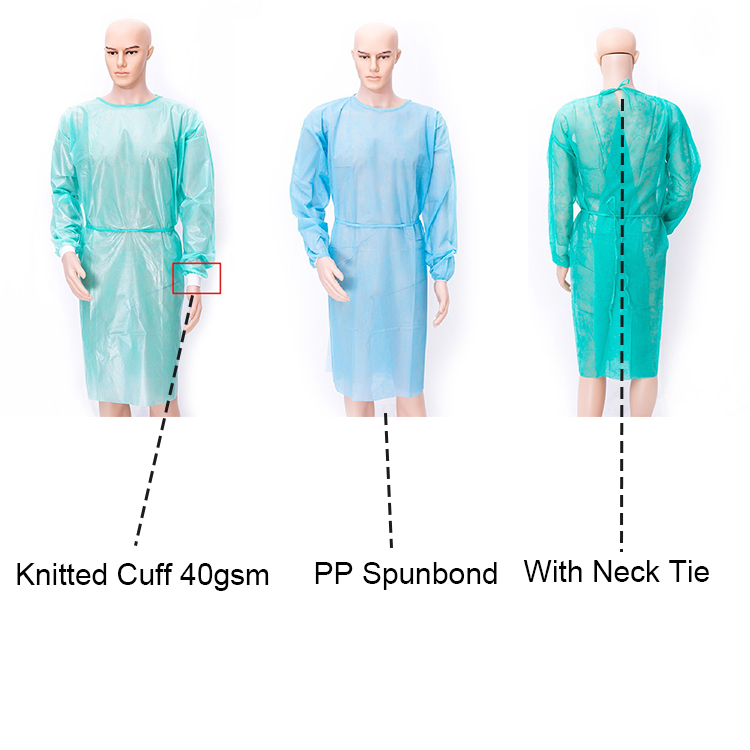
Laboratory protective equipment selection criteria
-
Matching of Biosecurity Levels: The selection of protective equipment must be matched with the biosecurity level of the laboratory. BSL-3 laboratories deal with highly pathogenic microorganisms, so the protective equipment required must provide a high level of individual protection.
-
Penetration Resistance: Protective suits must effectively prevent the penetration of microorganisms, including liquids and aerosols. This requires materials to have good physical and chemical stability and be resistant to microbial adhesion.
-
Comfort and Durability: Given that protective equipment is worn for extended periods, the material must have good breathability to minimize discomfort to the wearer. At the same time, the equipment must withstand a certain degree of wear and tear and disinfection treatments.
-
Removability and Decontamination Procedures: If it is necessary to remove protective equipment during the experiment, there must be clear decontamination procedures to avoid cross-contamination. The decontamination process should ensure that pathogens do not contaminate the outer layers or the environment from the inner clothing.
-
Visibility and Communication: In BSL-3 laboratories, where high-risk operations may occur, the design of protective equipment should not impair the wearer’s vision or communication, ensuring the accuracy and safety of the experiment.
-
Material Compatibility: The protective material should be compatible with the chemical reagents and disinfectants used in the laboratory, avoiding chemical reactions that could damage the material or release harmful substances.
-
Ease of Donning and Doffing: The donning and doffing of protective equipment should be quick and easy to minimize the risk of exposure during the donning process.
-
Maintenance and Disinfection: After use, protective equipment needs to be disinfected strictly, so the material must be easy to clean and disinfect without damaging its protective properties during the disinfection process.
-
Compliance with Regulations and Standards: When selecting protective equipment, it should be ensured that it complies with national or international relevant standards and regulations.
-
Cost-Benefit Analysis: While meeting the above requirements, the cost-effectiveness of protective equipment should also be considered to ensure effective protection within the budget.
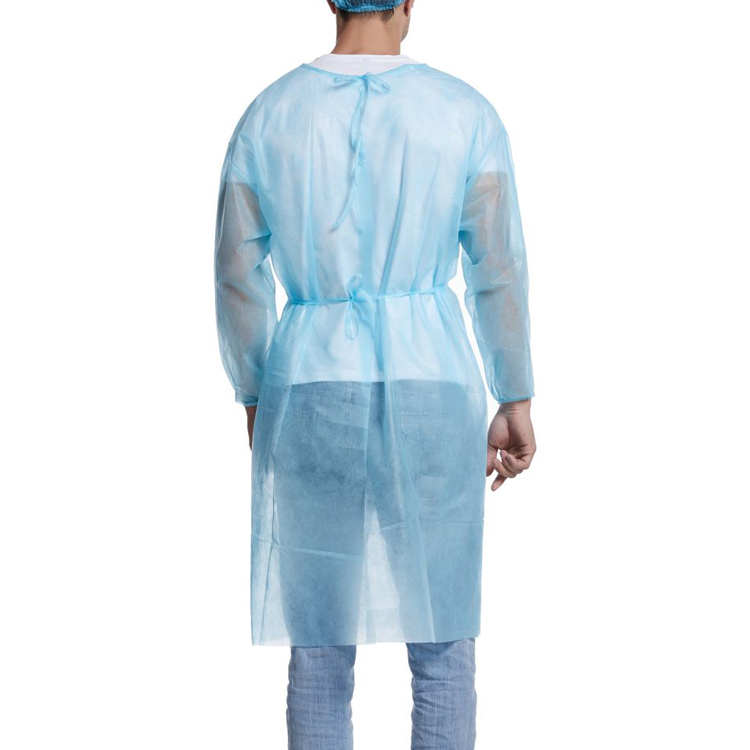
Laboratory Gown vs. Laboratory Coat: Function Comparison
The variations among laboratory coats and laboratory overalls are widespread in terms of fabric, design, sporting techniques, and shielding consequences:
-
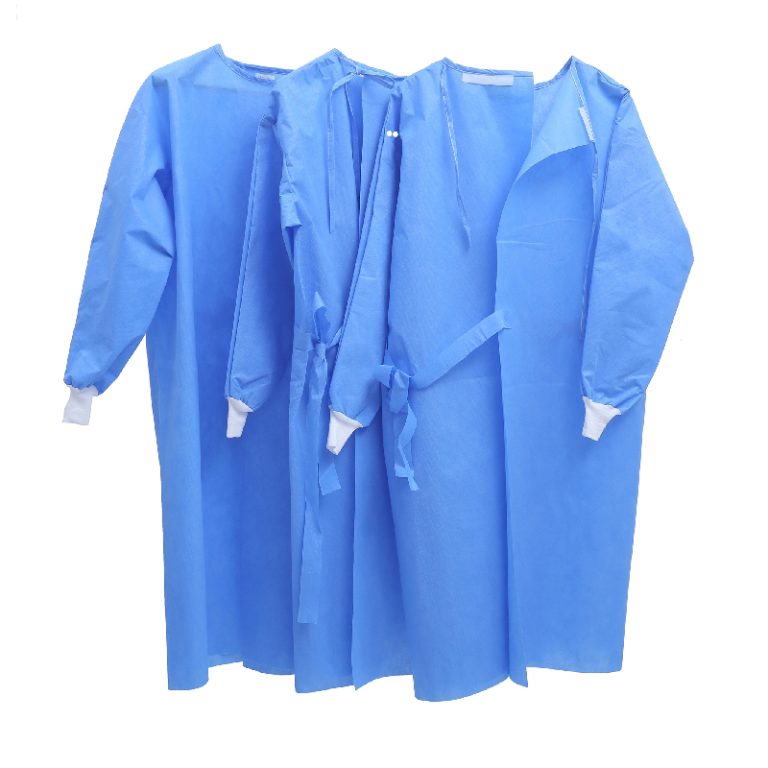
material distinction: Laboratory coats are typically manufactured from water resistant and impermeable substances including polyethylene and polyvinyl chloride to provide the very best level of safety. Laboratory overalls, then again, are in the main fabricated from cotton or synthetic fibers, despite the fact that a few are available in water resistant patterns, but their standard defensive functionality is inferior to that of laboratory coats.
-
layout features: Laboratory coats are designed as long-sleeved and lengthy-legged garments, usually covering from the neck down, with elastic bands or zippers at the sleeve cuffs and pant legs to ensure they do not come off throughout operations. Laboratory overalls are more often than not brief-sleeved, with a few styles geared up with hoods and wind skirts, but they do now not offer as comprehensive safety as laboratory coats.
-
wearing technique: Laboratory coats need to be worn to cowl the entire frame, such as the pinnacle and ft, to make sure no exposed regions. Laboratory overalls are without a doubt worn over the experimental fits and provide much less complete protection for the frame.
four. protective effects: Laboratory coats have a enormous advantage in shielding towards organic dangers, successfully blocking off the entry of pathogens, viruses, bacteria, and other microorganisms. while laboratory overalls can provide some level of safety, their effectiveness isn’t always as first rate while facing high awareness or extraordinarily poisonous substances.
-
cleansing and Disinfection: Laboratory coats require strict cleansing and disinfection approaches after every use to make sure hygiene and safety for the subsequent use. Laboratory overalls are extraordinarily easy, requiring simplest ordinary substitute.
-
Adaptability: Laboratory coats can also restriction the power of the wearer at some point of operations because of their wide coverage. Laboratory overalls are barely more secure to wear, but their protective results are constrained.
-
application eventualities: Laboratory coats are specially used in excessive-level biosecurity laboratories, along with BSL-3 and BSL-four laboratories. Laboratory overalls are appropriate for normal laboratories and low-level biosecurity laboratories.
In precis, there are significant differences among laboratory coats and laboratory overalls in phrases of cloth, design, wearing strategies, and protecting effects. In BSL-three and other high-level biosecurity laboratories, laboratory coats are the favored defensive equipment because of their complete and efficient protecting abilities.
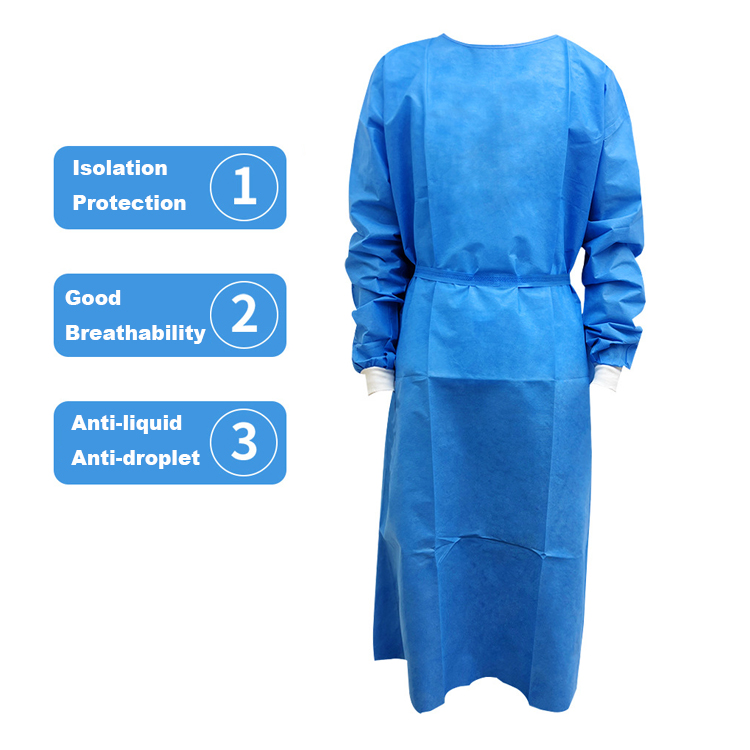
Laboratory coats in a BSL-3 environment offer several advantages.
-
Tight protecting Barrier: Laboratory coats are usually made from water-proof substances, providing a higher stage of safety towards liquid pathogens as compared to standard laboratory jackets.
-
Low hazard of contamination: The sealed design of laboratory coats reduces direct touch among the skin and the outside environment, thereby decreasing the chance of contaminants entering the laboratory in BSL-three centers.
-
Ease of Operation: The sleeve and collar layout of laboratory coats match the body higher, minimizing the danger of garb movement at some stage in operations, which makes the experimenters greater gifted at some point of sensitive responsibilities.
four. reduction of go-contamination: The material and layout of laboratory coats reduce the ability for move-contamination in the course of experiments, mainly while managing exceptionally unsafe pathogens, making such defensive measures important.
five. convenient to put on: The system of putting on and starting up laboratory coats is relatively easy, allowing experimenters to fast complete the wearing of protective tools in emergency conditions, making sure protection.
-
Adaptability to special Environments: The layout of laboratory coats takes into account the needs of diverse experimental operations, inclusive of the front or facet openings, which facilitate more than a few experimental sports and additionally adapt to exceptional laboratory environments.
-
durability: Laboratory coats are usually made from long lasting materials that can face up to common washing and disinfection, extending the lifespan and decreasing prices.
eight. visual identity: some laboratory coat designs contain shade and patterns to facilitate rapid identification in emergencies, ensuring that laboratory employees can fast find their defensive gear and beautify protection awareness.
nine. discount of allergies: Laboratory coats are usually free of allergens, lowering the threat of skin allergies among experimenters, making sure a safe and healthy working environment.
- Ease of cleansing and Disinfection: The cloth and design of laboratory coats make them easy to smooth and disinfect, that is a crucial function in BSL-three laboratories to make sure a high level of cleanliness within the laboratory environment.
thru those blessings, laboratory coats have end up an critical defensive tools in BSL-3 environments, ensuring the protection of experimenters and preventing the unfold of pathogens.
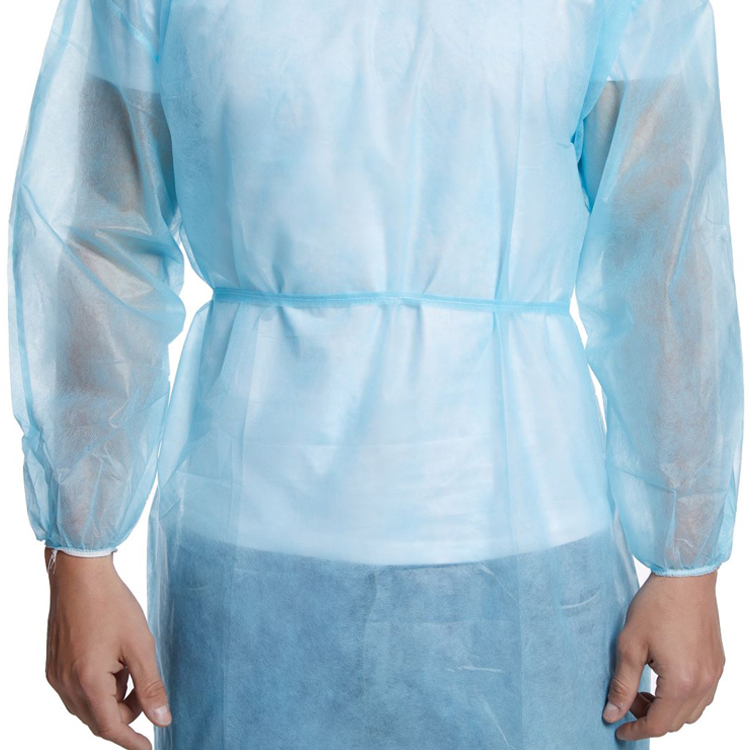
Certainly, here is the translation:Conclusion
The benefits of laboratory gowns in BSL-3 environments are commonly evident within the following factors:
-
sturdy defensive performance: Laboratory gowns are crafted from high-density, non-porous materials, which efficiently prevent pathogens from spreading through microscopic gaps. in comparison to laboratory overalls, the fabric and design of the robe reduce the potential threat of infection in the course of the wearing and doffing procedure.
-
full-encapsulation safety: Laboratory robes are normally designed with a hood that is connected to the robe frame, providing better safety for the top and neck against contamination. Such a totally enclosed layout is specially crucial in excessive-hazard environments like BSL-3.
-
Ease of wearing and Doffing: The technique of sporting and casting off laboratory gowns is exceedingly simple and quick. when carrying, the pinnacle is truely inserted into the hood, and the robe is pulled down; whilst getting rid of, the fingers are pulled out via the sleeve openings with out touching the gown body, reducing the risk of cross-infection.
-
Ease of cleansing and Disinfection: The smooth floor of laboratory robes is not without difficulty contaminated with the aid of dust and microorganisms, making them clean to smooth and disinfect. In BSL-three environments, the cleaning and disinfection of shielding system are important to ensuring laboratory protection.
-
model to big Operational wishes: Operations in BSL-three laboratories might also involve big portions of liquids, powders, and other high-chance substances. The cloth and layout of the laboratory gown can higher adapt to these operational needs, lowering the chance of liquid penetration and powder.
-
extended comfort: although laboratory robes offer exceptional shielding performance, comfort for the wearer is likewise considered. for instance, some laboratory robes are made from breathable substances to lessen discomfort from prolonged sporting.
-
Compliance with Biosecurity standards: In BSL-3 environments, the selection of protecting gadget need to strictly adhere to relevant biosecurity rules. Laboratory robes, as excessive-level protective equipment, meet those regulatory necessities.
-
price-effectiveness: compared to different superior protective device, laboratory robes are more cost-powerful. This helps to reduce the operational charges of laboratories even as ensuring the protective effects.
In precis, laboratory robes have substantial blessings in BSL-three environments, providing strict defensive overall performance at the same time as additionally thinking about the consolation and operational wishes of the wearer. they are an necessary defensive equipment in BSL-three laboratories.