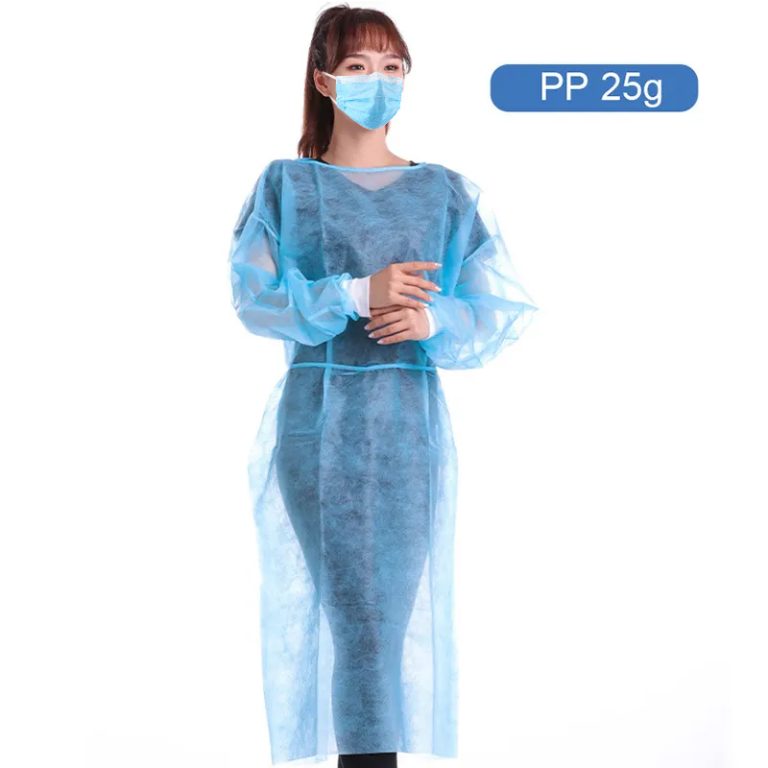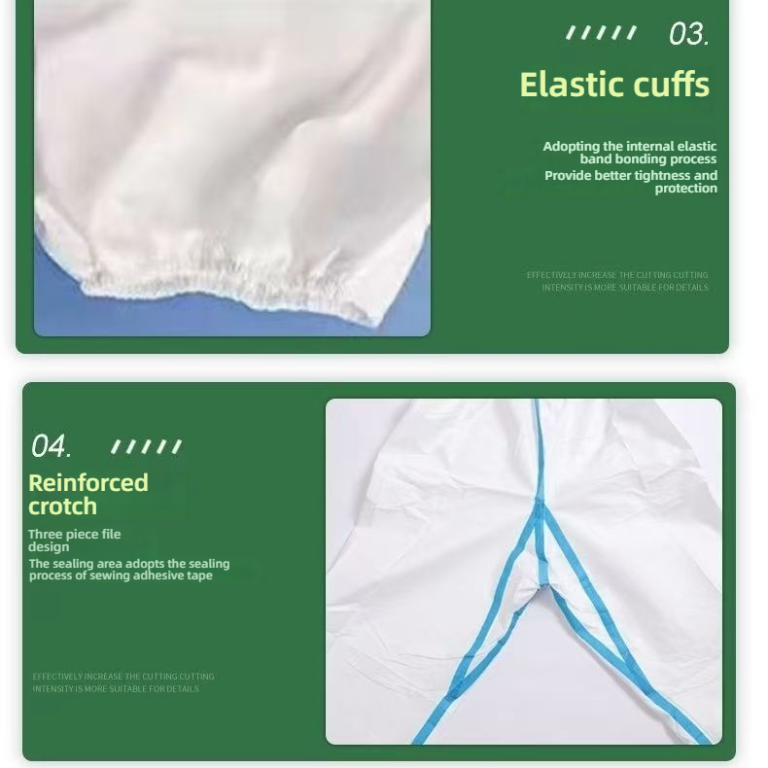
Individually Wrapped KN95 Face Mask: Dense Air Holes for Enhanced Protection, Quality, Comfort, and Suitability
Under the current emphasis on personal protection and public health, disposable non-woven fabric masks have become an indispensable daily protective item due to their convenience and effectiveness. This article will delve into the various characteristics of disposable non-woven fabric masks, including the respiratory comfort provided by their air-permeable design, the process and hygiene standards of the non-woven fabric material, the convenience and hygiene of the single-use packaging, and their applicability and safety certifications in different scenarios, to help consumers better understand this protective product.
Product Overview: Features of Individually Wrapped KN95 Masks
The Individually Wrapped KN95 Mask stands out among various mask products due to its unique packaging and design. Here are its main features:
-
Independent Packaging: Each mask comes in a separate sealed package, effectively preventing cross-contamination of bacteria and viruses. It also keeps the mask dry and clean, facilitating easy carrying and storage.
-
Efficient Filtration: The KN95 masks are made with multi-layer filtration materials, capable of filtering out 99.95% of airborne particles, including viruses, bacteria, and PM2.5 and other harmful substances, providing comprehensive protection.
-
Sealed Design: The mask’s facial fit design ensures a tight seal against the face, reducing air leakage and providing enhanced protection.
-
Comfortable Wearing: The mask is made of soft non-woven fabric, offering skin-friendly comfort and reducing discomfort during prolonged wear.
-
Breathability: Despite its high filtration efficiency, the KN95 mask still maintains good breathability, ensuring normal breathing while wearing the mask.
-
Suitable for Various Settings: The Individually Wrapped KN95 Mask is suitable for various scenarios such as hospitals, public places, and travel, making it an effective protective tool against outbreaks and air pollution.
-
Easy to Replace: The independent packaging design makes it convenient and quick to replace the masks, reducing the risk of cross-contamination.
-
Suitable for Sensitive Individuals: For those with allergies or sensitive skin, the non-woven fabric of the KN95 mask does not cause allergic reactions, making it safer and more reliable.
-
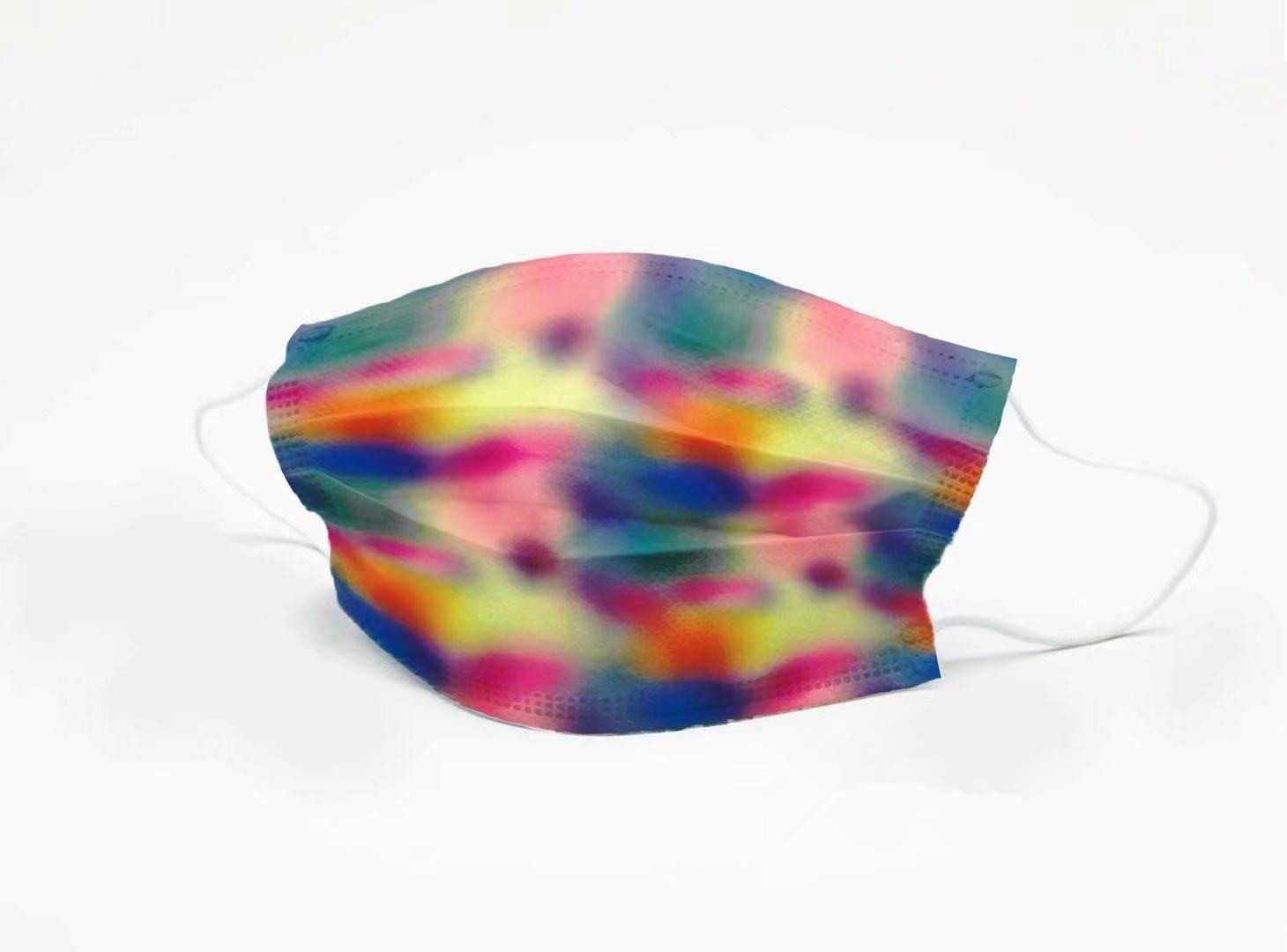
Colors and Patterns: Some Individually Wrapped KN95 Masks come in a variety of colors and patterns, meeting protective needs while also adding a personalized touch.
-
International Standards: The mask product meets the Chinese KN95 standard, with some models also passing the European CE certification, ensuring product quality and safety.
The Individually Wrapped KN95 Mask, with its independent packaging, efficient filtration performance, comfortable wearing experience, and wide range of applications, has become a popular protective product in the market. Whether for personal protection or public health needs, this mask provides robust support.
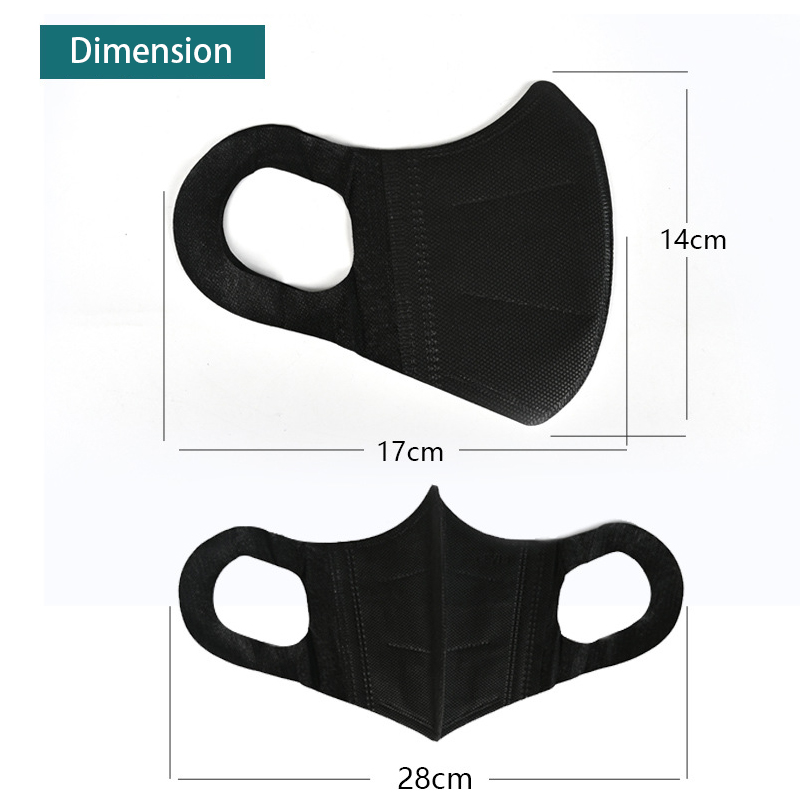
Airtight Air Hole Design: Analysis of Breathing Comfort
The design of the sealed air holes in the Individually Wrapped KN95 masks plays a crucial role, as it not only enhances the protective performance of the masks but also optimizes the breathing experience for users.
These masks utilize a special sealed air hole technology, with evenly distributed holes that effectively reduce air resistance. Users can feel the ease of breathing while wearing them, and even during prolonged use, they do not experience discomfort. The presence of air holes allows the mask to maintain high filtration efficiency while avoiding the common issues of heat and breathing discomfort associated with traditional N95 masks.
The intricacy of the design lies in the precise calculation of the diameter of the air holes, ensuring that while air flows freely, the filtration layer can still effectively intercept bacteria and viruses. This balance ensures that the mask provides safety while also considering comfort.
The layout of the sealed air holes also takes into account the facial contours of different users. The mask edges are made of elastic material, which can better fit the user’s face, reducing air leakage. Additionally, the design of the air holes ensures that the mask does not exert pressure on the nose bridge or ears when it fits the face.
During use, the user hardly feels the presence of the mask, a sensory experience attributed to the natural breathing sensation provided by the sealed air holes. For individuals engaged in long-term work or outdoor activities, such a design undoubtedly improves work efficiency and quality of life.
The design of the sealed air holes also considers the durability and maintenance of the mask. Since the air holes do not become clogged, the mask can maintain good breathing performance after multiple uses, reducing the frequency of replacement and also lowering the user’s maintenance costs. In summary, the sealed air hole design of the Individually Wrapped KN95 masks not only guarantees the protective effect technically but also achieves the ultimate in user experience.
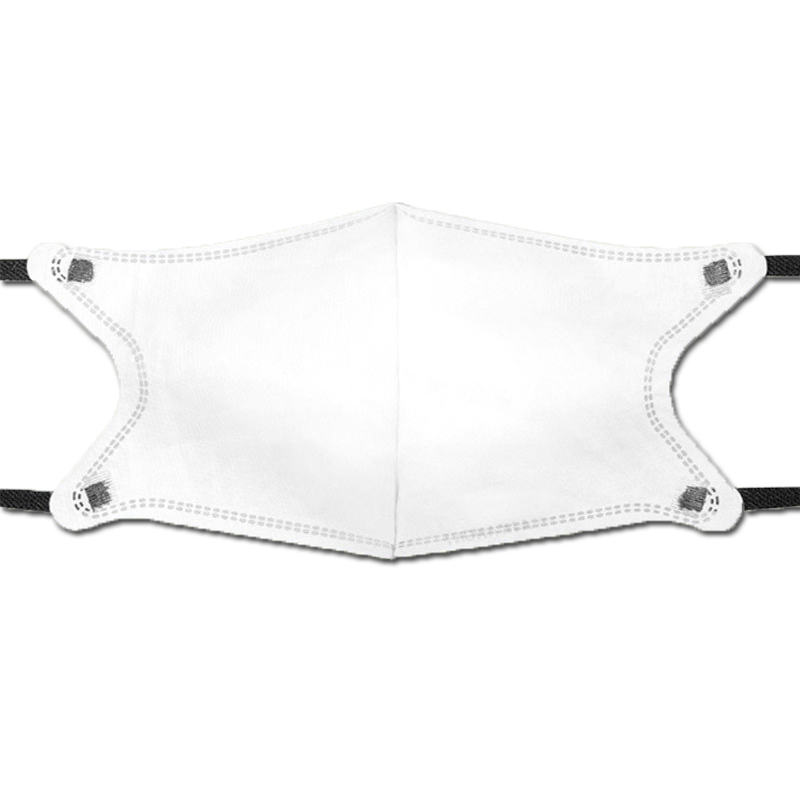
Nonwoven Fabric Material: Dual Protection of Craftsmanship and Sanitation Standards
Nonwoven fabric masks provide users with reliable health protection through their unique material and exquisite craftsmanship. Below is a detailed explanation of the dual guarantees of the process and health standards of nonwoven material in masks:
Nonwoven fabric is a type of material made from synthetic fibers or natural fibers through physical methods, and it is named “nonwoven” because it does not go through traditional textile processes. In the manufacturing of masks, nonwoven fabric materials typically use high molecular polymer materials such as polypropylene (PP), which have the following characteristics:
-
High Filtration Efficiency: The filtering layer of nonwoven fabric masks usually adopts a multi-layer structure, with the middle layer typically being meltblown nonwoven fabric, which has a ultra-fine fiber structure and can effectively capture particles and bacteria in the air, achieving a filtration efficiency of KN95 standard.
-
Tight Fit: Nonwoven fabric is soft and has good elasticity and deformation ability, which can fit the facial contour closely, reducing the entry of pollutants into the breathing zone.
-
Breathability: Despite the high filtration efficiency, nonwoven fabric masks still have good breathability, preventing users from experiencing difficulty in breathing while ensuring a comfortable breathing experience.
-
Durability: Nonwoven fabric materials have high wet resistance and heat resistance, and their performance will not significantly decrease even in humid or high-temperature environments.
-
Health Standards: Nonwoven fabric masks are produced in strict accordance with health standards, with strict quality control and testing from raw materials to finished products, ensuring the health and safety of the masks.
In terms of the production process, the following key steps are involved in the making of nonwoven fabric masks:
-
Raw Material Preparation: Selecting high-melting point polypropylene and other high-quality raw materials to ensure the basic performance of the masks.
-
Fiber Melting: Heating the raw materials to a molten state to form a continuous fiber stream.
-
Fiber Formation: Stretching the molten fibers into a web-like structure through air flow to form nonwoven fabric.
-
Strengthening Treatment: Strengthening the nonwoven fabric to increase its strength and stability.
-
Lamination: Combining the nonwoven fabric with meltblown nonwoven fabric and other filtering materials to form a mask structure with high filtration efficiency.
-
Cutting and Sewing: Cutting the combined nonwoven fabric into the shape of a mask and sewing it to ensure the mask’s sealing and comfort.
-
Disinfection and Packaging: The finished masks are disinfected and then packaged in a single-use packaging to ensure a fresh and hygienic state for each use.
Through the above process and health standards, nonwoven fabric masks offer users dual protection, that is, efficient protection capabilities and long-term health safety. This has led to the widespread application of nonwoven fabric masks in medical, public health, and personal protection fields.
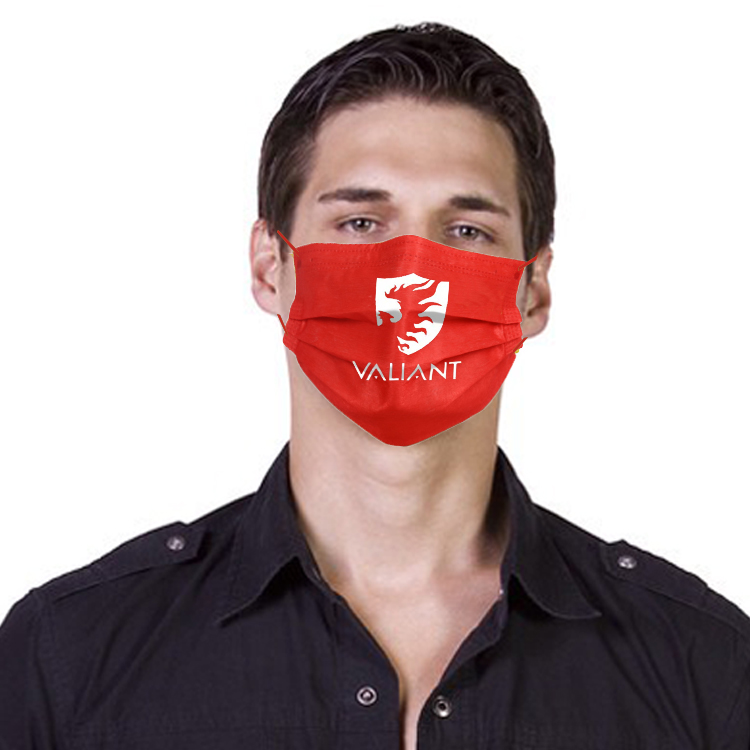
Single-use packaging: a combination of convenience and hygiene.
The design of sex packaging plays a crucial role in non-woven fabric masks, as it not only provides convenience but also greatly enhances the product’s hygiene standards.
This packaging typically uses multi-layer non-woven fabric materials to ensure the protection of the masks during transportation and storage. Non-woven fabric itself has excellent dust and waterproof properties, capable of effectively blocking external contaminants and maintaining the cleanliness of the masks.
In terms of packaging structure, the masks are individually packaged, with each mask sealed separately, thus avoiding the risk of cross-contamination. This design allows users to directly use the masks upon purchase without worrying about secondary contamination on the shelves.
Sex packaging masks usually come with an earband fixing device, allowing users to simply tear open the packaging and easily wear the mask. This convenience is particularly important in emergency situations, such as when rapid protection is needed in public places without cumbersome preparation.
The choice of packaging materials is also very careful. Non-woven fabric is environmentally friendly and non-toxic, releasing no harmful substances and posing no harm to human health. At the same time, the packaging design complies with international hygiene standards, ensuring that the masks remain sterile before they are opened and used.
In terms of hygiene, individually packaged masks can effectively prevent the spread of bacteria and viruses. Especially during the pandemic, this packaging format greatly reduces the risk of cross-infection, providing users with a safer and more reliable level of protection.
The packaging also includes product information, usage instructions, and precautions, making it easy for users to understand the product’s characteristics and proper usage methods. This transparent design not only improves user experience but also enhances the credibility of the product.
Sex packaging masks are also more environmentally friendly in recycling. Non-woven fabric materials are recyclable, reducing environmental pollution and aligning with the concept of sustainable development.
In summary, the single-use packaging non-woven fabric masks excel in terms of convenience and hygiene, making them an indispensable protective product in modern life.
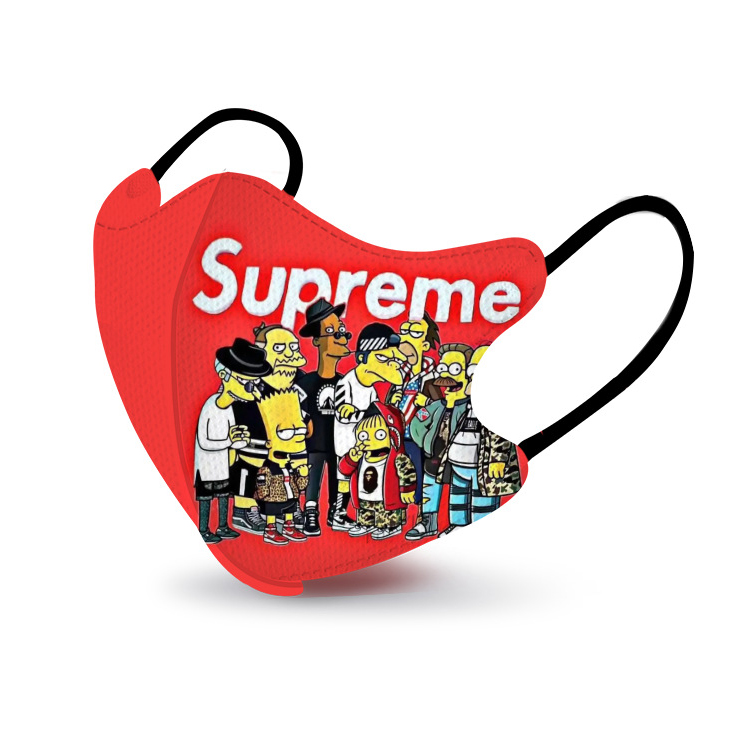
Applicable scenarios: reasons for choosing under broad protection needs
Non-woven fabric masks, with their unique structural design and material properties, have demonstrated their distinctive advantages in various protection scenarios. Here are some applicable situations and the reasons for their selection:
In public transportation, wearing masks is an important measure to prevent the spread of respiratory diseases. Disposable non-woven fabric masks effectively block droplets, providing passengers with basic protection. Especially during peak hours, with dense crowds, the convenience of changing these masks and their efficient protective capabilities are particularly significant.
In medical institutions, medical staff are exposed to a higher risk of infection. The tight-fitting design of disposable non-woven fabric masks better conforms to the facial contours, reducing air flow and lowering the risk of viruses spreading through the respiratory tract. Moreover, the one-time use of the masks avoids the possibility of cross-infection.
In industrial environments such as factories and workshops, workers may be exposed to harmful substances like dust and chemicals for extended periods. The filtering effect of non-woven fabric masks effectively filters out these harmful particles, protecting workers’ respiratory health.
In educational institutions such as schools and kindergartens, which are places where children gather, disposable non-woven fabric masks not only prevent the spread of viruses but also cultivate good hygiene habits in children. During group activities, the use of masks helps reduce the spread of respiratory diseases.
During outdoor activities or travel, people may come into contact with various unpredictable environments. The convenience of carrying disposable non-woven fabric masks allows for their use at any time, providing timely protection against potential respiratory infections.
In family life, there may be inter-infection risks between family members, such as colds and other respiratory diseases. The widespread use of disposable non-woven fabric masks can reduce the risk of cross-infection during family gatherings.
For the elderly and children, who have weaker immune systems, disposable non-woven fabric masks provide necessary protection, helping them resist health threats from the external environment.
During the pandemic, the government and social organizations often carry out public health campaigns, advocating for the public to wear masks when going out. Disposable non-woven fabric masks, due to their convenience, hygiene, and affordability, have become an important product in promoting mask usage.
In summary, disposable non-woven fabric masks have become the public’s top choice with their high-efficiency protection, convenient replacement, and cost-effectiveness. Whether it’s personal protection in daily life or public health needs during special periods, this type of mask has shown its irreplaceable value.
Safety Certification and Quality Commitment
The non-woven fabric mask stands out among various protective products with its unique structural design. It not only boasts high-efficiency filtration but also perfectly combines convenience and hygiene. Below is a detailed description of its features:
-
Individually Packaged, Significant Protection Effect: The disposable non-woven fabric mask comes in individual packaging, with each mask sealed independently to prevent cross-contamination before and after use. This ensures the initial hygiene of the mask, providing users with a safer level of protection.
-
Tight Sealing, Reducing the Risk of Air Leaks: The facial sealing part of the mask is precision-cut to closely fit the facial contours, reducing the opportunity for air to pass through gaps into the mask, thereby enhancing the protective effect.
-
High-Filtering Material, High Filtration Efficiency: The mask is internally lined with multi-layer non-woven materials, including one or more layers of meltblown non-woven material, which has an extremely high filtration efficiency and can effectively block bacteria, viruses, and other microscopic particles.
-
Comfortable and Breathable, Reducing Discomfort: Despite its significant filtration effect, the non-woven fabric mask has been optimized for breathability through special processing, ensuring that it provides effective protection while also ensuring the wearer’s breathing is comfortable, reducing discomfort from prolonged wear.
-
Easy to Carry, Convenient to Use: The individually packaged masks are easy to carry, making them convenient for use during travel, commuting, or daily life. They can be easily stored in a pocket or bag, allowing for on-the-go use.
-
Wide Applicability, Meeting Different Needs: The non-woven fabric mask, due to its high protective performance and convenient usage, is suitable for various scenarios such as healthcare, public health, industrial production, and daily travel, meeting the protective needs of different groups of people in different environments.
-
Safety Certification, Reliable Quality: To ensure the safety and rights of users, the disposable non-woven fabric mask has passed multiple safety certifications such as CE and FDA, which prove the reliability of the product in terms of materials, process, and performance.
-
Strict Quality Control, Protecting User Rights: From raw material procurement to finished product delivery, the production process of non-woven fabric masks strictly adheres to relevant quality standards, ensuring that each mask meets the required protective effect, thereby safeguarding the health and safety of users.
-
Continuous Research and Development, Continuous Product Optimization: In response to ever-changing protective needs, non-woven fabric mask manufacturers continuously engage in product research and development, optimizing product performance through technological innovation and process improvement to meet market and user demands.
Through these features, the disposable non-woven fabric mask excels in protective performance, usability, and hygiene safety, making it an ideal choice for various protective needs.