Lab Coats & Clicks: Revolutionizing Online Education with Interactive Learning Attire
With the advancement of technology, traditional educational models are being gradually by online education, which is gaining widespread attention for its convenience and interactivity. Against this backdrop, the fusion of lab coats with online interaction (clicks) not only brings about new changes in the field of education but also heralds the trend of collaborative development between technology and education in the future. The following will discuss the application of lab coats in online education and its potential impacts.
Laboratory Workwear: The Function and Importance of Lab Coats
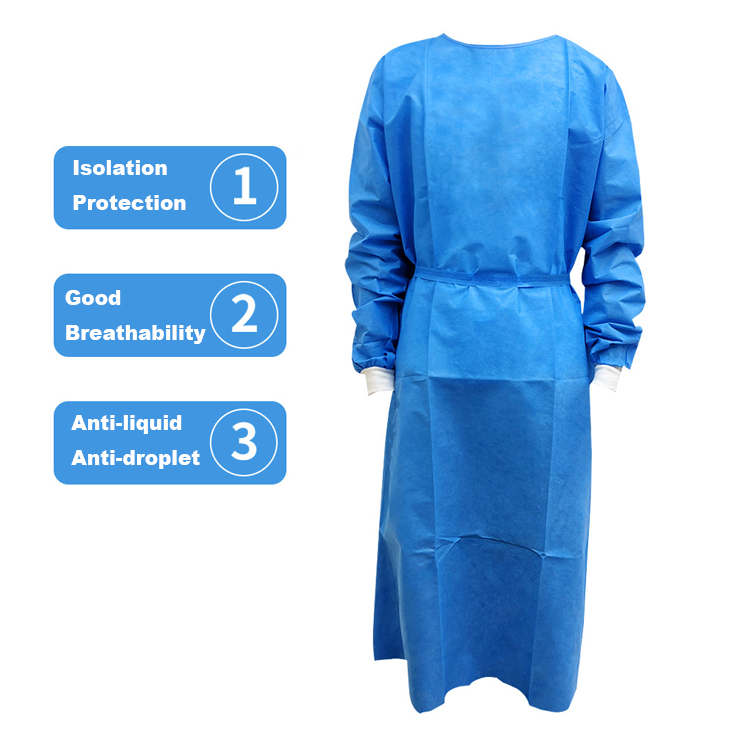
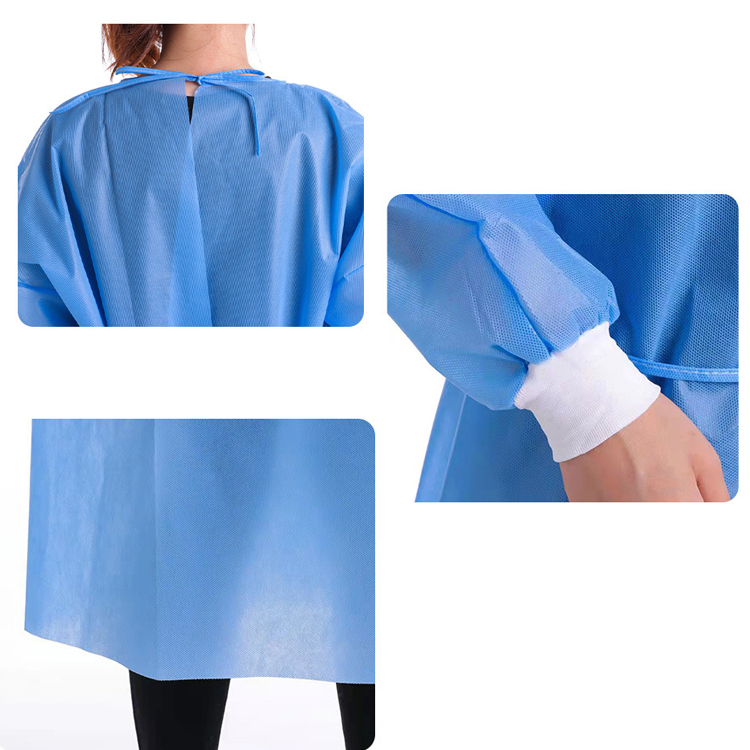
Laboratory coats, commonly referred to as lab coats, are protective garments worn by researchers during experimental operations in a laboratory. These garments not only reflect the professional image of researchers but also play a crucial role in laboratory safety.
The primary function of lab coats is to provide protection. They effectively block direct contact with chemicals, biological samples, and potentially harmful substances that may be produced during the experiment. This protection not only safeguards the health of researchers but also reduces the risk of laboratory accidents.
The design of lab coats takes into consideration the convenience of experimental operations. The loose fit allows for ease of movement, while the buttoned front design ensures that the coat can be quickly closed during the experiment, preventing spills of experimental materials or liquids.
The materials used for lab coats are typically chosen for their resistance to corrosion, flame retardancy, and ease of cleaning, such as polyester and nylon. These materials can withstand the demands of the laboratory environment and dry quickly after washing, ensuring the continuity and efficiency of experiments.
The color and style of lab coats also serve a functional purpose. For example, white or light-colored lab coats help reflect light, reducing eye fatigue; while dark or striped designs aid in quickly identifying and locating researchers during experiments.
The importance of lab coats in a laboratory environment is self-evident. They are not only a symbol of the researcher’s identity but also an embodiment of the laboratory safety culture. Below are several aspects of the importance of lab coats:
-
Preventing cross-contamination: In laboratories where multiple projects and groups are active simultaneously, wearinglab coats helps differentiate between different project teams, reducing the risk of cross-contamination.
-
Improving experimental efficiency: The convenient design of lab coats allows researchers to focus more on experimental operations, thereby increasing efficiency.
-
Strengthening safety awareness: Researchers wearing lab coats remain vigilant, aware of potential risks in experimental operations, and thus treat each experimental step with greater caution.
-
Enhancing team cohesion: Unified lab coats can strengthen a sense of belonging and identity among team members, fostering a positive atmosphere of teamwork.
As laboratory coats as part of laboratory uniforms, their functions and importance are fully demonstrated in scientific research. With the development of technology, the design and materials of lab coats are continuously being optimized to provide researchers with a safer, more comfortable, and efficient experimental environment.
Internet Interaction: The Role of Click-Through Rate in Information Dissemination
Click-through rate, as a key indicator of the attractiveness and dissemination effect of online content, plays an indispensable role in information dissemination. The detailed description of the role of click-through rate in information dissemination is as follows:
In the digital age, information surges like a tide, and users search amidst an ocean of content for information that interests them. Click-through rate directly reflects the degree of interest users have in a particular piece of information, serving as a direct manifestation of the content’s attractiveness. A high click-through rate indicates that the content has received wider attention and recognition.
Click-through rate affects the exposure of content. Among numerous pieces of content, those with high click-through rates are more likely to be recommended by platform algorithms, thereby gaining more exposure opportunities. This recommendation mechanism allows high-quality content to quickly reach its target audience, achieving effective information dissemination.
Click-through rate is an important standard for measuring the quality of content. A high click-through rate often suggests that the content is attractive, practical, and innovative, able to meet user needs. Therefore, click-through rate becomes an important reference for content creators to optimize content and enhance dissemination effectiveness.
Click-through rate has a positive impact on brand image building. Brands can enhance their brand recognition and reputation by releasing high-quality, high-click-through-rate content, thereby strengthening user trust and towards the brand.
Click-through rate helps in precisely locating the target audience. By analyzing click-through rate data, content creators can understand user interests and preferences, thereby adjusting their content strategy to achieve more precise content delivery.
For advertisers, click-through rate is an important indicator of advertising effectiveness. A high click-through rate means the accuracy and effectiveness of ad placements, which helps advertisers achieve a better return on investment.
Click-through rate is crucial for Search Engine Optimization (SEO). A high click-through rate can help improve a webpage’s ranking in search engines, increase website traffic, and thus drive overall business growth.
However, click-through rate is not all-powerful. Overly pursuing click-through rates can lead to a decline in content quality, and even to issues such as fake traffic and misleading users. Therefore, while pursuing click-through rates, content creators should also focus on the authenticity and value of the content.
Click-through rate plays a critical role in information dissemination. It not only reflects the attractiveness of the content but also influences the content’s exposure, brand image, audience targeting, advertising effectiveness, and SEO. In digital marketing and content creation, it is crucial to use click-through rates reasonably, balancing content quality and dissemination effectiveness to enhance the efficiency of information dissemination.

The intersection of lab coats and clicks: the fusion of technology and education
In the information age, lab coats, a traditional symbol, and clicks, a digital metric, are converging at the intersection of technology and education, showcasing a new trend. The following is a specific description of this phenomenon:
The lab coat was originally worn by researchers for the purpose of protecting the experimental environment and personal safety. With the development of technology, this type of clothing has gradually taken on new meanings. In the field of education, lab coats have become a symbol of fostering innovative thinking and practical skills.
On the one hand, the development of technology has made lab coats more versatile in function. Modern lab coats not only offer dust and chemical resistance but may also integrate smart sensors to monitor wearers’ physiological data in real-time, such as body temperature and heart rate. In education, these intelligent lab coats can help students gain a more intuitive understanding of human physiological knowledge.
On the other hand, clicks are increasingly prominent in information dissemination. With the widespread use of online platforms, click-through rate has become an important indicator of content attractiveness and dissemination effectiveness. In the field of education, high-quality online courses and interactive content often attract more users to click and watch, thereby enhancing the overall educational effectiveness.
The convergence of lab coats and clicks in the integration of technology and education is evident in several aspects:
-
Virtual Lab Simulations: Through virtual reality (VR) and augmented reality (AR) technology, students can participate in virtual laboratory practices at home while wearing lab coats. This simulated experience not only enhances student engagement but also makes click-through rate a key indicator for evaluating educational effectiveness.
-
Interactive Learning Platforms: Online education platforms use lab coats as teaching elements, setting up experimental operation steps that guide students to practice. For every experimental step completed by the students, the system records the corresponding clicks, thereby creating a motivational mechanism.
-
Real-time Feedback and Interaction: Smart lab coats, paired with online education platforms, can transmit students’ experimental data in real-time. Teachers can analyze these data immediately to understand students’ learning progress and issues, and provide personalized guidance. This real-time interactive model significantly increases click-through rates.
-
Interdisciplinary Teaching: Integrating lab coats into educational content promotes interdisciplinary learning. For example, in chemistry experiments, by clicking on different experimental steps, students can learn related knowledge in physics and biology, thus increasing the overall click-through rate.
-
Continuous Tracking and Evaluation: By tracking students’ learning performance in the lab coat environment, educational institutions can continuously assess course effectiveness and adjust teaching content and methods based on feedback. This tracking and evaluation mechanism makes clicks an important reference for measuring educational outcomes.
The convergence of lab coats and clicks represents the deep integration of technology and education. In this fusion, technological means provide new possibilities for education, while clicks have become an important indicator for measuring the quality and effectiveness of education. As technology continues to advance, this convergence will continue to drive the transformation and development of the education industry.

Practice Case: Application of Lab Attire in Online Education
In the field of education, the elements of laboratory coats are gradually being introduced into online education platforms, providing learners with immersive experiences. Here are some specific case studies:
In online laboratory simulation platforms, students can wear virtual lab coats to simulate real experimental operations. This virtual attire not only enhances the students’ sense of immersion but also makes complex experimental steps more intuitive and easily understandable.
The design of lab coats in virtual experimental courses often incorporates features of real lab coats, such as color and style, allowing students to feel the professional atmosphere of a real lab environment while operating virtual instruments. This design helps to boost students’ interest and focus on learning.
Some online education platforms have launched interactive teaching methods, where teachers demonstrate experimental processes while wearing lab coats, making students feel as if they are in a lab while watching video tutorials. This format effectively narrows the distance between teachers and students, enhancing teaching interaction.
Certain online course designers have combined lab coats with gamified teaching, allowing students to take on different roles of scientists and wear corresponding lab coats while completing experimental tasks. This design stimulates students’ learning motivation and increases the fun of the course.
Online education platforms also use lab coats to create virtual laboratories, where students can book time slots online to conduct experiments. The presence of lab coats during the experiment helps students feel the rigorous atmosphere of a lab, fostering scientific literacy.
In remote experimental courses, the use of lab coats is even more widespread. Students wear virtual attire to perform experiments under the guidance of mentors, achieving remote interaction. This model not only saves students’ travel costs but also improves the efficiency of experimental teaching.
Some universities’ online open courses have integrated lab coats into course design, allowing students to deepen their understanding of course content through simulated experiments. This innovative teaching method has received positive feedback from students.
The application of laboratory attire in online education not only enriches teaching methods but also enhances the learning experience. With the continuous advancement of technology, the application of lab coats in online education is expected to become even more widespread, providing more possibilities for educational innovation.
Future Outlook: The Collaborative Trend Development between Lab Coats and Clicks
The development of technology has continuously revolutionized educational methods, and the combination of lab coats and network clicks heralds a new trend in the field of education. The following is a specific description of this collaborative trend:
In the field of education, lab coats were originally essential protective gear in laboratories, symbolizing professionalism and rigor. Now, with the rise of online education, this attire has been. Here are some specific cases:
-
Virtual Laboratory Experiences: Some online educational platforms allow students to wear virtual lab coats through virtual reality (VR) technology, enabling them to conduct experiments in a virtual environment. This experience not only increases the interactivity of the courses but also enhances students’ interest and participation.
-
Visualization of Professional Knowledge: Online educational platforms use videos and animations to display complex experimental procedures and theoretical knowledge with lab coats as the backdrop, making the transmission of knowledge points more intuitive and understandable.
-
Interactive Teaching Aids: In video teaching or live classrooms, teachers or lecturers can wear lab coats to interact with students through the screen, answer questions, and simulate a real experimental environment, enhancing the practicality of teaching.
-
Remote Laboratory Courses: Some online courses allow students to perform experiments through remote connections to laboratory equipment, wearing lab coats. This model breaks down geographical limitations, making educational resources more evenly distributed.
With the advancement of technology, the collaborative trend between lab coats and clicks is primarily manifested in the following aspects:
-
Personalized Learning Experience: Through big data analysis, systems can recommend personalized lab coat wearing experiences and course content based on students’ learning habits and progress, achieving education tailored to individual needs.
-
Interdisciplinary Integration: Lab coats are not limited to the natural sciences but are also expanding to interdisciplinary fields such as humanities and social sciences. The increase in click-through rates signifies more frequent integration and dissemination of knowledge across multiple domains.
-
Enhanced Interactivity: With the fusion of artificial intelligence and virtual reality technologies, the use of lab coats will place more emphasis on interactivity, allowing students to participate in experiments and discussions by clicking on different teaching resources.
-
Continuous Educational Ecosystem: The combination of lab coats and clicks helps to build a continuous educational ecosystem. Students can learn anytime, anywhere, while teachers and content providers can continuously optimize educational products based on click data.
In summary, the collaborative trend between lab coats and clicks will drive educational models towards a more personalized and interactive direction, while also providing educators and participants with more possibilities. In this process, lab coats are not just an attire; they are a bridge connecting traditional education with modern technology.