Protective Gown Definition: Exploring Suit Types and Their Uses
defensive clothing, as an critical personal shielding gadget, frequently serves to provide a barrier for employees, stopping dangerous materials, micro organism, and viruses from harming the human body. this newsletter will talk the definition, materials, and structure of protective garb, and will attention on studying its utilization in distinctive utility fields. it’ll additionally provide for choosing and the usage of defensive apparel to make sure its effectiveness and protection.
Protective suit overview
Personal protective equipment (PPE) such as protective suits play a crucial role in industrial production, medical environments, and specialized work areas. They are designed to provide wearers with protection against harmful substances, physical injuries, and biological hazards.
The design and functionality of protective suits are aimed at minimizing direct contact between the wearer and the hazardous environment. These garments are typically made from a variety of materials, including but not limited to chemical-resistant, heat-resistant, flame-retardant, waterproof, and antimicrobial materials. These characteristics allow protective suits to adapt to various harsh working conditions.
The design of protective suits takes ergonomics into account to ensure comfort for the wearer even during extended periods of wear. They usually have the following features:
- Durability: Maintaining their protective properties after multiple uses.
- Breathability: Allowing a degree of air circulation to reduce heat buildup and discomfort.
- Easy to put on and take off: Facilitating quick responses to emergencies.
- Compliance with regulations: Meeting national or international safety standards.
In terms of structure, protective suits may include the following components:
- Lining: Provides basic protection and may contain moisture-wicking materials.
- Fabric: The outer material with specific protective properties.
- Connectors: Such as tight bands at the sleeve cuffs, necklines, and pant legs, ensuring the suit fits the body snugly.
- Protective accessories: Such as goggles, gloves, boots, etc., which are used in conjunction with the suit to provide comprehensive protection.
Protective suits are categorized broadly, including but not limited to the following types:
- Chemical protective suits: Used to resist the of chemicals, such as laboratory work, petrochemical industries, etc.
- High-temperature protective suits: Suitable for high-temperature work environments, such as furnace operations, metal casting, etc.
- Waterproof suits: Used for wet or underwater operations, such as wastewater treatment, underwater operations, etc.
- Biological protective suits: Used in environments with biological hazards, such as virus laboratories, biosafety laboratories, etc.
The correct use, maintenance, and regular inspection of protective suits are key to ensuring their effectiveness. Additionally, wearers should receive appropriate training to understand how to correctly use protective suits in specific work environments, in order to minimize the risk of occupational injuries.
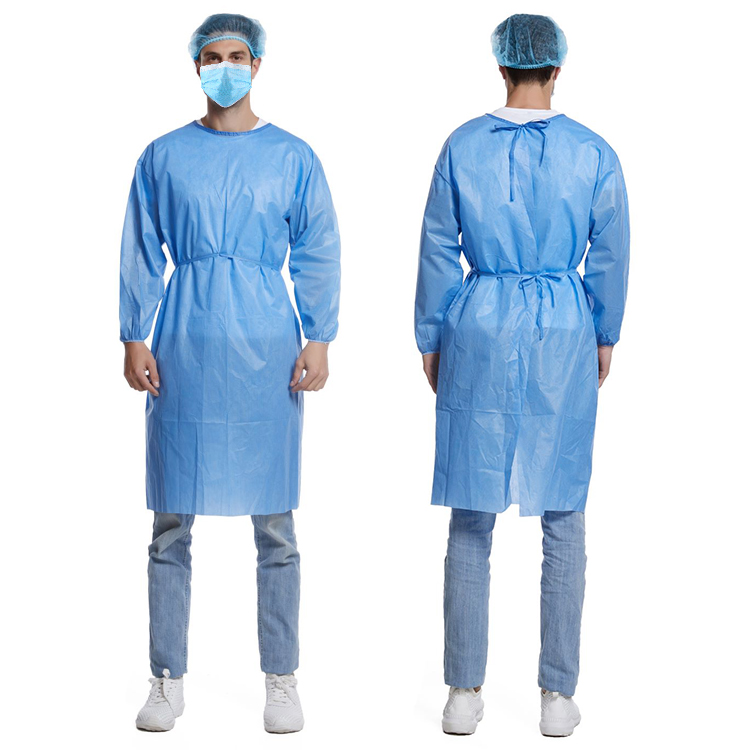
Protective suit definition
shielding fits are a sort of non-public defensive gadget (PPE) particularly designed to save you harmful substances (which include chemical liquids, biological pathogens, radioactive debris, and many others.) from getting into the human body or contaminating the paintings surroundings. The definition of shielding fits may be elaborated from the following elements:
-
protection purpose: The number one cause of shielding fits is to provide a bodily barrier to prevent direct contact of the skin with dangerous substances. This consists of protection towards splashes of chemicals, leaks of organic samples, and the prevention of radioactive dust from adhering to the pores and skin.
-
cloth Composition: protecting suits are usually crafted from specific shielding materials, together with polyethylene, polypropylene, polyester fibers, and other artificial materials, which possess traits consisting of resistance to chemical substances, heat resistance, and put on resistance. some superior defensive fits may use multi-layer composite systems to enhance the protective impact.
-
Structural layout: The structural design of defensive fits is aimed at minimizing the intrusion of dangerous materials. It normally includes coverage for the top, neck, trunk, and limbs, and some are also equipped with accessories which include gloves and shoe covers to ensure complete-frame safety.
-
Dressing method: The dressing technique of protecting suits need to be handy and smooth to wear, taking into account short wearing in emergency situations. maximum shielding fits use fastening strategies including zippers, buttons, or hook-and-loop closures to facilitate rapid donning and doffing.
-
Verification and Certification: To make certain that the protective overall performance of protecting fits meets relevant standards, producers have to challenge them to rigorous checking out and verification. qualified protective suits typically include corresponding certification marks, inclusive of ISO widespread certifications.
-
software range: shielding fits are suitable for numerous environments where there may be touch with harmful substances, inclusive of chemical industries, prescription drugs, organic laboratories, nuclear centers, firefighting, and emergency rescue high-danger fields.
-
protection and Care: To keep the protective performance of protective fits, users ought to comply with the producer’s protection pointers for ordinary cleansing and disinfection. shielding fits that are not used for a long time ought to be stored properly to avoid contamination and harm.
-
protection degree: relying at the various protection requirements, defensive fits additionally have special protection tiers. commonplace safety degrees consist of liquid safety, particle safety, and organic protection, with one-of-a-kind degrees of defensive fits appropriate for different protection scenarios.
In summary, protective fits are a comprehensive type of personal protective equipment that, via their particular substances and structural layout, provide effective safety to users, making sure they’re protected against dangerous substances in the course of paintings.
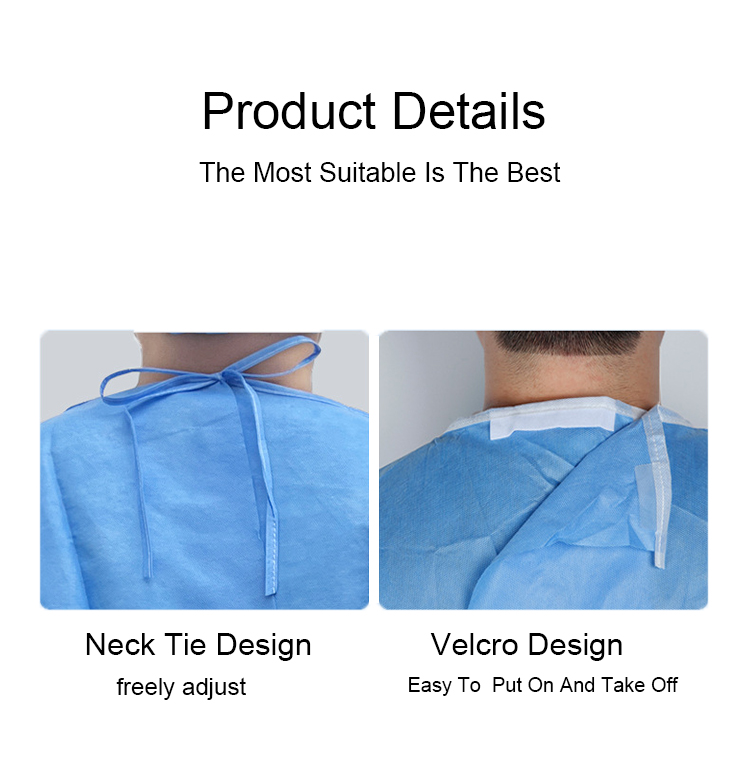
Protective suit material and structure
The substances used for protective suits are generally divided into principal categories: natural fibers and artificial fibers. natural fiber substances including cotton, linen, and silk are generally used for day by day defensive clothing due to their exact breathability and comfort. artificial fibers, consisting of polyester, polypropylene, and polyethylene, are widely utilized in medical and industrial fields because of their resistance to chemical compounds, heat resistance, and ease of cleaning.
-
synthetic Fibers: Polyester (puppy), polypropylene (PP), and polyethylene (PE) are common synthetic fibers utilized in shielding fits. Polyester is understood for its notable put on and corrosion resistance, making it appropriate for long lasting defensive apparel. Polypropylene has proper warmth and chemical resistance, making it perfect for defensive clothing in high-temperature environments. Polyethylene, due to its lightness and simplicity of processing, is regularly used in the manufacturing of disposable defensive suits.
-
defensive Layer: the protecting layer of a shielding healthy is the element that comes into direct contact with external dangerous substances and is normally composed of more than one layers. The outermost layer can be a p.c or polyethylene movie for liquid barrier protection, the center layer may be absorbent and moisture-wicking cotton or non-woven material, and the internal layer is usually cotton or polyester fiber for skin-friendly comfort. This multi-layer structure ensures both safety and comfort.
three. structure of protective suits: The structural design of protective suits is geared toward ensuring the safety and convenience of the wearer. not unusual structures include:
-
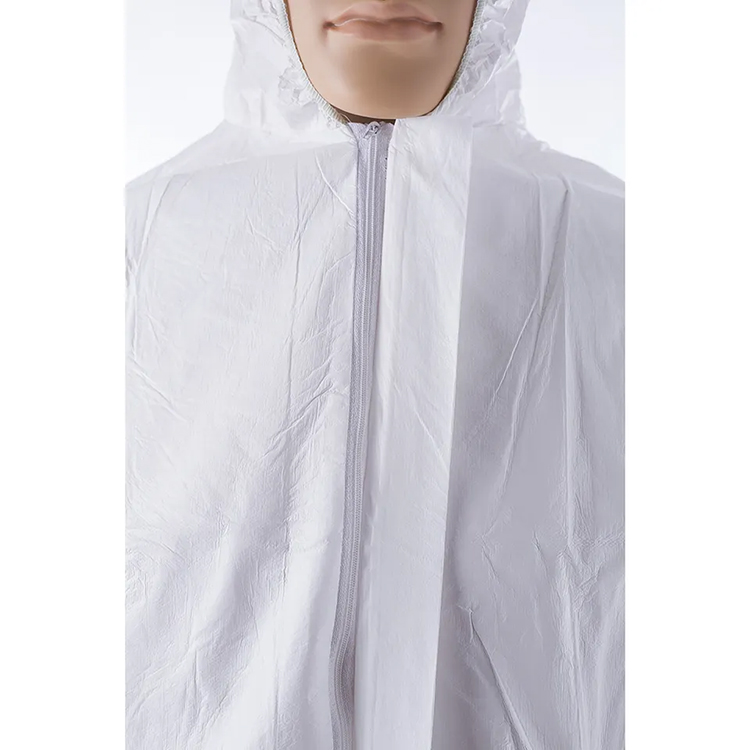
Collar: Collars are designed with zippers, hook and loop fasteners, or buttons to facilitate clean donning and doffing, while also making sure that the neck isn’t infected all through the wearing process.
-
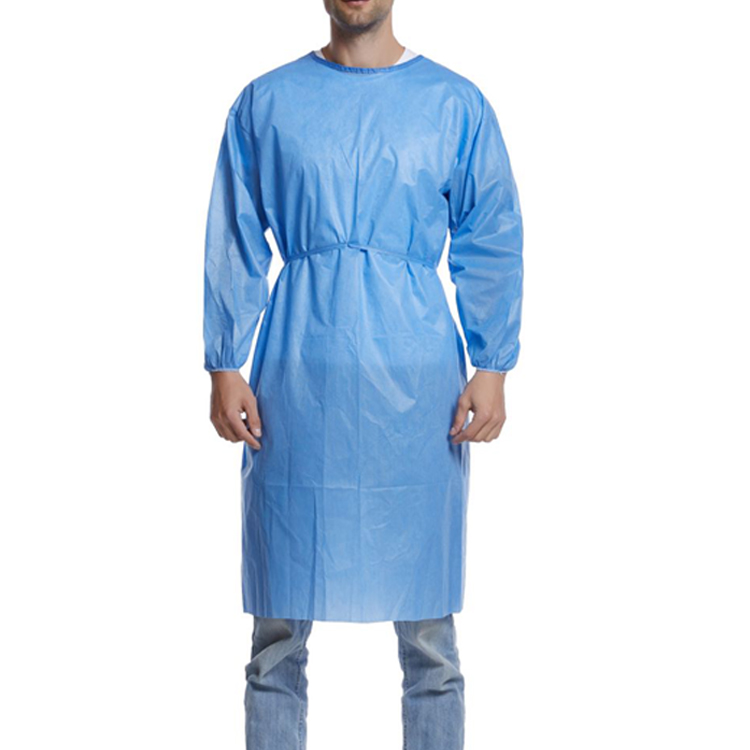
Sleeves and Bottoms: Sleeves and bottoms are geared up with elastic bands or adjustable buckles to accommodate extraordinary frame sorts and prevent the intrusion of dangerous materials.
-
Cuffs and Collar: Cuffs and collars are designed with dust caps to save you the entry of dirt and debris.
-
Shoulder and Waist: The shoulder and waist are outfitted with strengthened straps to enhance the aid and stability of the protecting healthy.
-
Pants Legs: Pants legs are geared up with non-slip soles to enhance the wearer’s balance even as strolling.
- practical design: to fulfill the wishes of different running environments, protecting suits might also consist of the following purposeful designs:
-
Static Dissipative: In environments liable to fire and explosion, static dissipative protecting garb can successfully save you the accumulation of static strength, lowering the threat of fires.
-
water-proof: water-proof protecting fits can save you splashes of drinks and are suitable for environments which include chemical laboratories and construction sites.
-
Oil-Resistant: Oil-resistant protecting suits are suitable for industries along with catering and petrochemicals, stopping oil stains from infection.
via the optimization of substances and structural layout, defensive fits can provide complete safety to the wearer, making sure their personal protection in numerous operating environments.
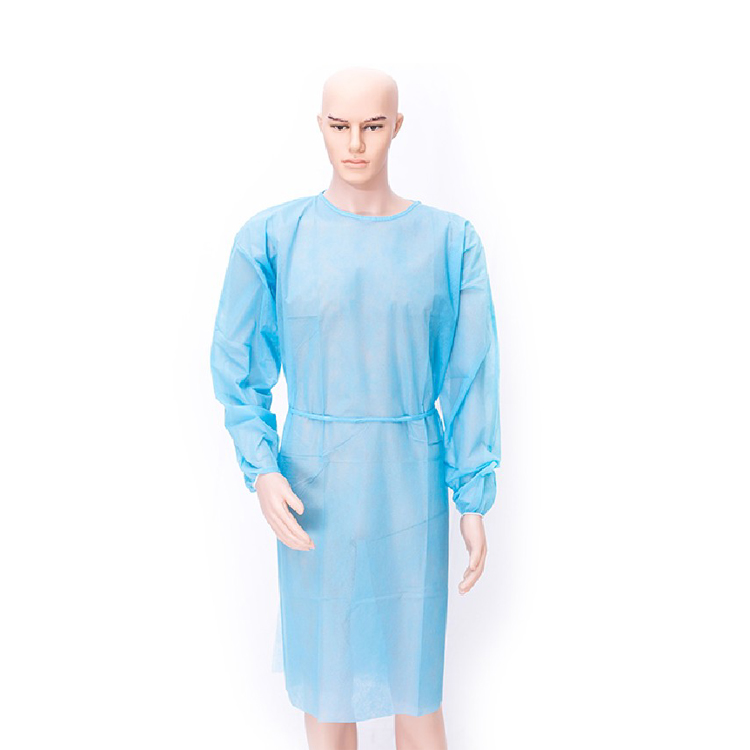
Application fields of protective clothing
shielding fits are widely used in numerous industries and scenarios, and their unique application fields are defined as follows:
inside the scientific field, protecting suits are important system for clinical body of workers during surgeries, nursing, and contamination manage methods. They effectively block the spread of pathogenic microorganisms, defensive both medical group of workers and sufferers from go-infection.
In commercial production, shielding fits are utilized in high-hazard paintings environments which include chemical, oil, smelting, and production. these suits commonly have traits along with heat resistance, corrosion resistance, and static dissipation, making sure the personal protection of people in harsh situations.
In studies laboratories, protective fits are used as defensive tools for researchers for the duration of organic safety experiments, chemical experiments, and other high-threat operations. they can withstand dangerous gases, drinks, and stable substances, ensuring the safety of studies employees.
within the discipline of firefighting, firefighters wear specifically designed hearth-resistant protective fits whilst entering fireplace scenes to perform rescue obligations. these fits have remarkable warmness-insulating residences and can withstand the of high-temperature flames, protecting the lives of firefighters.
within the navy area, infantrymen put on defensive suits with features together with bulletproof, waterproof, and stab-evidence whilst executing responsibilities consisting of barren region survival and special operations. those fits enhance the survival talents and combat effectiveness of squaddies.
within the aviation area, pilots put on defensive fits with features including windproof, water resistant, and thermal insulation whilst appearing high-danger duties along with parachuting and plane upkeep. those fits ensure the private protection of pilots in intense weather conditions.
In out of doors adventures and severe sports, climbers and rock climbers, amongst others, put on protective suits with features along with windproof, water-resistant, thermal insulation, and breathability. these fits help them hold consolation and enhance performance in harsh environments.
in the food processing industry, which include meat and seafood processing, personnel need to wear defensive suits which might be oil and dirt-immune to ensure food safety and hygiene.
within the field of animal husbandry and veterinary remedy, group of workers put on protective suits which can be chunk and scratch-resistant when in touch with animals to avoid damage.
protective fits are also extensively used in special occasions consisting of military sporting events, catastrophe rescue, and counter-terrorism operations, supplying safety ensures for applicable employees.
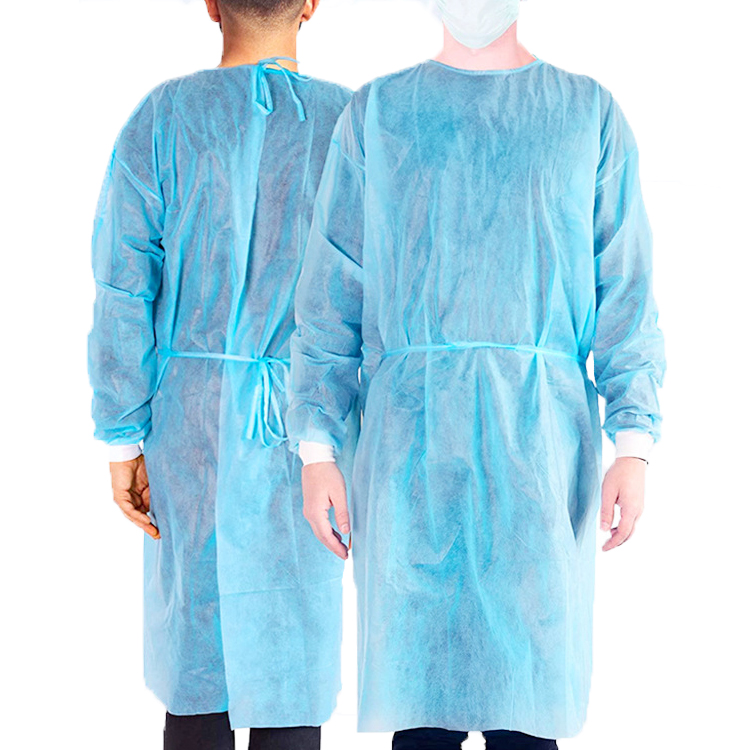
Selection and Usage Precautions for Protective Clothing
whilst selecting defensive apparel, the subsequent factors need to be taken into consideration:
material: choose materials that provide safety against liquid penetration, resistance to chemicals, and talents for withstanding high or low temperatures. Examples consist of acid and alkali-resistant percent, high-temperature-resistant PTFE (polytetrafluoroethylene), and low-temperature-resistant nylon.
length match: the protecting clothing have to permit the wearer to transport freely, neither too tight to restrict motion nor too free to purpose the garb to shift. A properly-becoming layout presents better protection.
shade and Markings: certain industries or environments require defensive garb to have specific colorations and markings for identification of the wearer’s identification and role, which includes white or blue for the clinical enterprise, and orange for the chemical industry.
Facemasks and Gloves: depending at the paintings environment, extra facemasks and gloves may be essential. Facemasks ought to cowl the mouth and nostril to effectively save you harmful gases and debris from being inhaled; gloves need to have the best defensive level to resist chemicals or excessive temperatures.
Dressing series: an appropriate dressing sequence ensures the integrity and effectiveness of the protective in shape. typically, start with the lowest, observed by way of sleeves, front and back panels, and in the end, tighten the waist.
check out Integrity: before carrying, cautiously check the integrity of the protecting match, which include seams, buttons, zippers, and so on., to make sure there are no tears or holes.
carrying protective equipment: sure paintings sports may also require additional protecting gear, such as knee pads, back helps, etc., which ought to be used along with the protecting match.
avoid go-infection: when sporting protecting apparel, keep away from touch with individuals or items no longer carrying protecting gear to save you go-infection.
Doffing system: whilst getting rid of the protective fit, comply with a selected process from pinnacle to bottom to keep away from contaminating the environment. After putting off the fit, right away disinfect the skin and well remove the contaminated clothing.
personal Hygiene: preserve non-public hygiene whilst sporting protective clothing, frequently trade the garb, and keep away from extended carrying to prevent bacterial boom.
education and steering: body of workers have to get hold of expert training on using defensive clothing to apprehend the characteristics and right utilization of diverse kinds of protecting fits.
preservation and cleansing: protective apparel should be frequently maintained and wiped clean to hold its shielding properties. whilst cleaning, use suitable materials and detergents to keep away from detrimental the apparel.