Full Isolation Suit: Comprehensive Guide to Material, Structure, and Applications
In present day society, the demand for non-public shielding gadget (PPE) has turn out to be increasingly more stringent in industrial manufacturing, scientific studies experiments, and specific operational environments. among those, full isolation fits, as a kind of unique clothing that provides complete protection for workers, are of paramount importance. this article will delve into the material, structure, purposeful functions, relevant scenarios, safety overall performance, and practical application instances of full isolation suits.
Product Overview
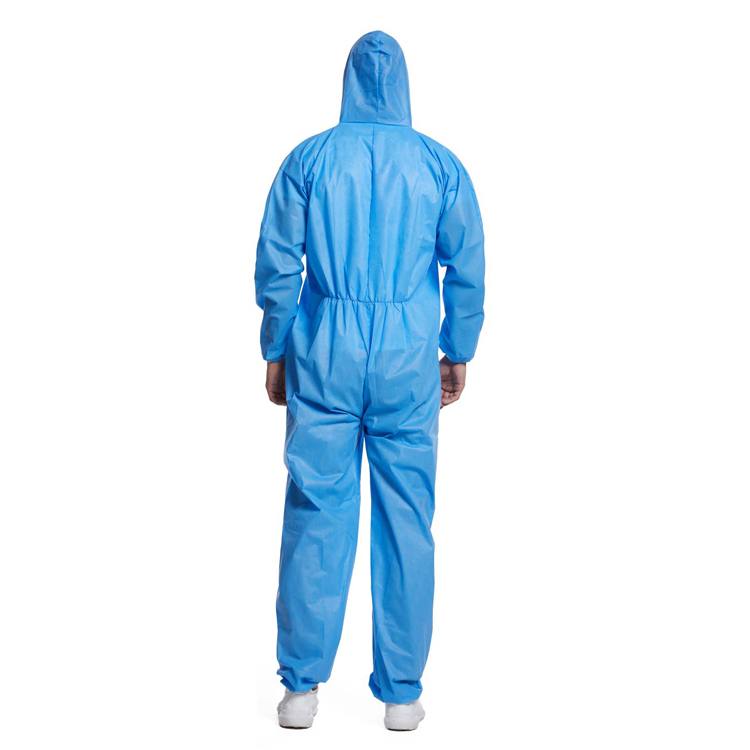
Full isolation suits, as a highly protective personal protective equipment, are widely used in high-risk industries such as chemistry, oil, and medical fields. They ensure that the wearer is not affected by harmful substances in extreme environments through comprehensive isolation design, while maintaining a comfortable internal environment.
This product features a multi-layer composite structure, with the outer layer made of high-intensity waterproof materials that effectively block the penetration of liquids and gases; the middle layer is a thermal insulation and breathable material, ensuring that the wearer can maintain body heat in cold environments; and the inner layer is made of soft, skin-friendly materials to enhance comfort. The overall structure is compact, making it easy to wear and move around.
Full isolation suits have several significant functional features: Firstly, they offer excellent protective performance, capable of resisting erosion from various chemicals, including corrosive liquids and toxic gases; secondly, the clothing has good sealing properties, preventing harmful substances from seeping through gaps; and thirdly, the clothing is equipped with a ventilation system, ensuring that the wearer remains dry even during prolonged work periods.
In terms of application scenarios, full isolation suits cover almost all working environments that require high levels of isolation protection. For example, in chemical laboratories, researchers need full isolation suits to protect themselves from the harm of chemical reagents during dangerous experiments; during oil extraction, workers can provide necessary protection against oil spills with the help of full isolation suits; in the medical field, healthcare workers also need full isolation suits as a protective barrier when dealing with infectious diseases.
Safety performance is the core value of full isolation suits. They can effectively isolate harmful substances and reduce the risk of injury to operators in high-risk environments. Moreover, the design of full isolation suits takes ergonomics into account, allowing the wearer to maintain good mobility even during long periods of work, reducing fatigue.
In terms of operation and maintenance, full isolation suits are easy to wear, and the wearer can quickly complete the donning process according to the operation guide. For maintenance, the clothing needs to be cleaned and disinfected regularly to ensure the long-term effectiveness of its protective performance. Additionally, a comprehensive check should be conducted before use to ensure there are no hazards such as tears or leaks.
In industry application cases, a chemist at a chemical company successfully avoided direct skin injury from corrosive chemicals by wearing a full isolation suit. In another case, an oil extraction worker avoided the risk of poisoning due to the protective properties of the full isolation suit during an oil leakage accident. These cases fully demonstrate the importance and effectiveness of full isolation suits in actual work.
Material and Structure
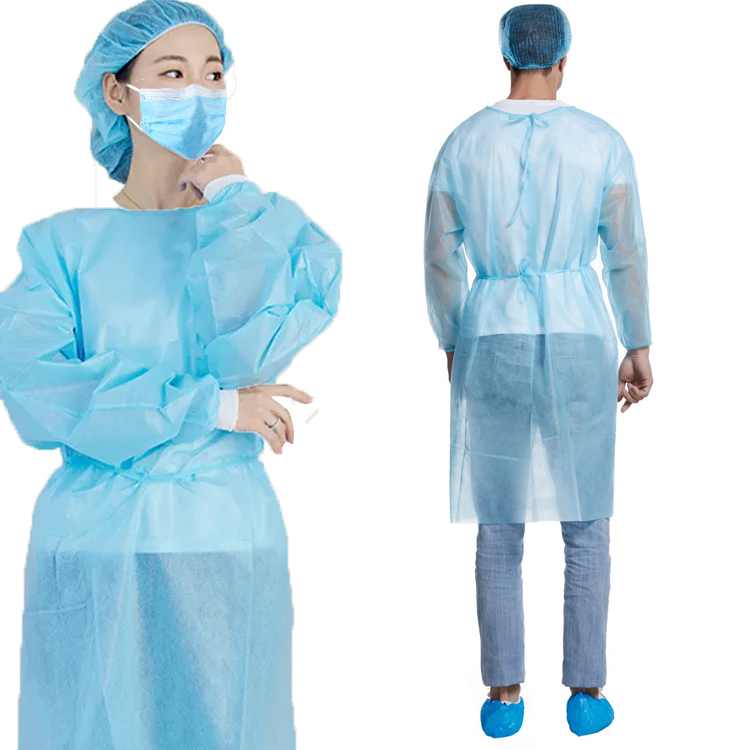
The full isolation suit is made from a variety of high-performance materials, with its material and structural design aimed at providing comprehensive protection and comfort. The main materials include:
-
Waterproof and Penetration-Resistant Film: The outer layer of the suit is made from high-density polyethylene (HDPE) or polytetrafluoroethylene (PTFE) waterproof and penetration-resistant films, which effectively block the intrusion of liquids, gases, and fine particles.
-
Antistatic Material: The inner layer is made of antistatic fibers, such as a blend of polyester and carbon fibers, to ensure that the suit does not generate static electricity during use, preventing sparks from causing explosions.
-
Waterproof and Breathable Layer: Between the waterproof and penetration-resistant film and the antistatic material, a waterproof and breathable layer, such as polyvinylidene fluoride (PVDF) or polypropylene (PP) film, is added to achieve waterproofing while keeping the wearer dry.
-
Insulation Layer: Depending on the environmental temperature requirements, an insulation material such as wool or polyester fiber may be added to the inner layer to provide sufficient warmth.
In terms of structural design, the full isolation suit has the following features:
-
Sealed Design: The suit is made of seamless connections overall to ensure that there are no gaps for harmful substances to penetrate.
-
Helmet and Face Shield: The head is equipped with a safety helmet and face shield, effectively protecting the face and head from injury, and is also equipped with a respirator interface to ensure safe breathing.
-
Gloves and Boots: The gloves and boots are designed in a one-piece style for ease of operation and to strengthen the protection of the hands and feet.
-
Shoulder and Waist Adjustment: The shoulders and waist are equipped with adjustable straps to adjust the tightness of the suit according to the wearer’s body type, improving comfort.
-
Sleeve and Cuff Sealing: The cuffs and ankles are sealed with rubber strips or hook-and-loop fasteners to prevent harmful substances from entering through these areas.
-
Convenient Pockets: The suit has multiple pockets on both sides for carrying tools and materials, enhancing work efficiency.
-
Reflective Strips: Reflective strips are set on the surface of the suit to increase visibility in low-light or nighttime conditions, ensuring the safety of the wearer.
In summary, the material and structural design of the full isolation suit fully considers protection, comfort, and practicality, providing comprehensive safety guarantees for users.

Function Features
-
Comprehensive Protection: The clothing is made of special materials that are resistant to corrosion, high and low temperatures, and can effectively isolate harmful gases, liquids, and solid particles, ensuring the personal safety of the operators in extreme environments.
-
Breathability: Despite providing a tight seal, the inner layer of the full isolation suit is designed with good breathability, reducing the feeling of stuffiness during prolonged wear and improving comfort.
-
Anti-static Design: The inner layer of the clothing is added with anti-static materials, effectively preventing the accumulation of static electricity, and reducing the risk of fire or explosion caused by static discharge during operation.
-
Flexible and Convenient: The clothing design focuses on ergonomics, ensuring freedom of movement and ease of operation for the operators. Additionally, the seams are meticulously stitched to minimize friction and enhance mobility.
-
Rapid Donning: The full isolation suit features a modular design, with individual components that can be quickly removed and replaced, allowing operators to quickly put it on in emergency situations.
-
Wear Resistance: The surface material of the clothing has excellent wear resistance, maintaining good protective effects over long-term use.
-
UV Protection: The inner layer of the clothing is coated with a special material that effectively blocks UV radiation, protecting the operators from UV damage.
-
Water and Oil Resistance: The surface of the clothing is designed to be waterproof and oil-resistant, facilitating cleaning and maintenance, and extending the service life of the suit.
-
Visual Assistance: Some full isolation suits are equipped with transparent windows or reflective markings, improving the visibility of the operators in complex environments and ensuring work safety.
-
Environmental and Health-Friendly: The materials used in the full isolation suits meet environmental standards and are harmless to the human body, allowing for recyclability in line with the principles of sustainable development.
Through these functional features, the full isolation suit ensures the safety of the operators while also enhancing work efficiency, providing robust protection for various high-risk operations.
Applicable scenarios
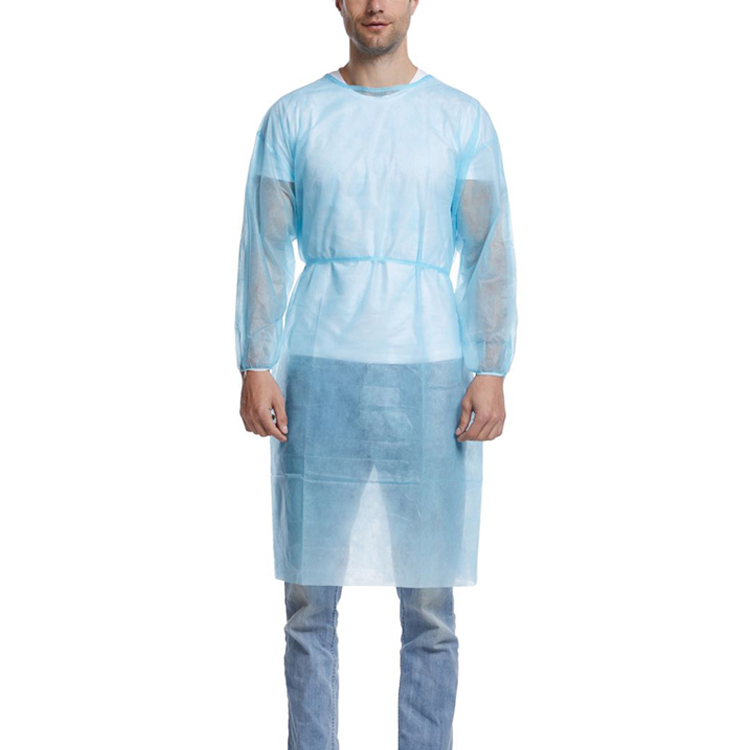
Full-body isolation suits, with their stringent protective properties, are widely used in a variety of high-risk and specialized working environments. The following are the applicable scenarios:
-
Chemical Industry: In the oil, chemical, and pharmaceutical industries, potential dangers such as chemical spills and harmful gas releases require workers to wear full-body isolation suits to prevent direct contact with the skin and respiratory tract.
-
Environmental Protection: When dealing with hazardous waste, radioactive materials, or performing environmental remediation, full-body isolation suits effectively isolate harmful substances, protecting operators from contamination.
-
Firefighting: In special fire situations involving chemical fires, oil spills, and the like, full-body isolation suits provide the highest level of protection to ensure the safety of rescue personnel.
-
Biosecurity Laboratories: In biosecurity level 4 (BSL-4) laboratories, full-body isolation suits are standard equipment used to prevent the spread of pathogens.
-
Offshore Oil Exploration: In deep-sea oilfield operations, full-body isolation suits not only provide chemical protection but also have waterproof capabilities, adapting to underwater working environments.
-
Nuclear Industry: In the maintenance of nuclear power plants and the handling of nuclear waste, full-body isolation suits can resist radiation, protecting workers from radiation exposure.
-
Explosive Environments: When dealing with flammable and explosive materials, the antistatic and explosion-proof characteristics of full-body isolation suits can reduce the risk of accidents.
-
Extreme Weather Operations: In extreme cold or heat conditions, the thermal insulation or heat retention properties of full-body isolation suits ensure the safety and comfort of workers.
-
Public Health and Epidemic Prevention: During outbreaks of infectious diseases, full-body isolation suits are an essential protective gear for medical staff and epidemic prevention personnel, preventing the spread of the virus.
-
Wildlife Protection: In the field of wildlife protection, especially when dealing with potentially disease-carrying or aggressive wildlife, full-body isolation suits provide the necessary protection.
These applicable scenarios reflect the critical role of full-body isolation suits in ensuring personnel safety, preventing environmental pollution, and ensuring the smooth progress of operations.
Safety performance
-
protecting Isolation: the full isolation in shape is fabricated from multi-layer composite substances, which can efficiently isolate harmful substances inclusive of chemical substances, biology, and radiation, ensuring that the wearer is covered from harm in risky environments.
-
warmth and bloodless Resistance: Designed for hot temperature environments, the total isolation fit is fabricated from unique materials that could face up to both excessive temperatures from molten substances and occasional temperature environments, ensuring the protection of the wearer.
-
Penetration and cut Resistance: The fabric of the suit has been specifically dealt with to provide exquisite penetration and cut resistance, stopping injuries from sharp gadgets.
-
Breathability and comfort: in spite of its strict shielding features, the inner design of the entire isolation healthy emphasizes breathability, the use of breathable membranes and microporous substances to reduce soreness from extended put on.
-
Electromagnetic shielding: For electromagnetic radiation environments, the internal layer of the in shape is coated with electromagnetic protecting substances to prevent capability harm from electromagnetic waves.
-
Emergency Evacuation design: The fit design considers emergency evacuation desires, prepared with gadgets including emergency ropes and lighting to make certain brief evacuation in emergencies.
-
warning Markings: the whole isolation suit capabilities clear warning markings at the surface, facilitating quick identification of the wearer in complex environments and preventing unintentional damage.
-
Human Engineering layout: The fit is designed in keeping with human engineering principles, providing consolation and freedom of motion, lowering fatigue from prolonged paintings.
-
durable and Maintainable: crafted from durable materials, the total isolation fit is simple to smooth and disinfect, extending the lifespan of the garment.
-
Certification and checking out: before cargo, the full isolation healthy undergoes rigorous great control and protection overall performance checking out, meeting international protection standards to make sure its reliability in diverse unsafe environments.
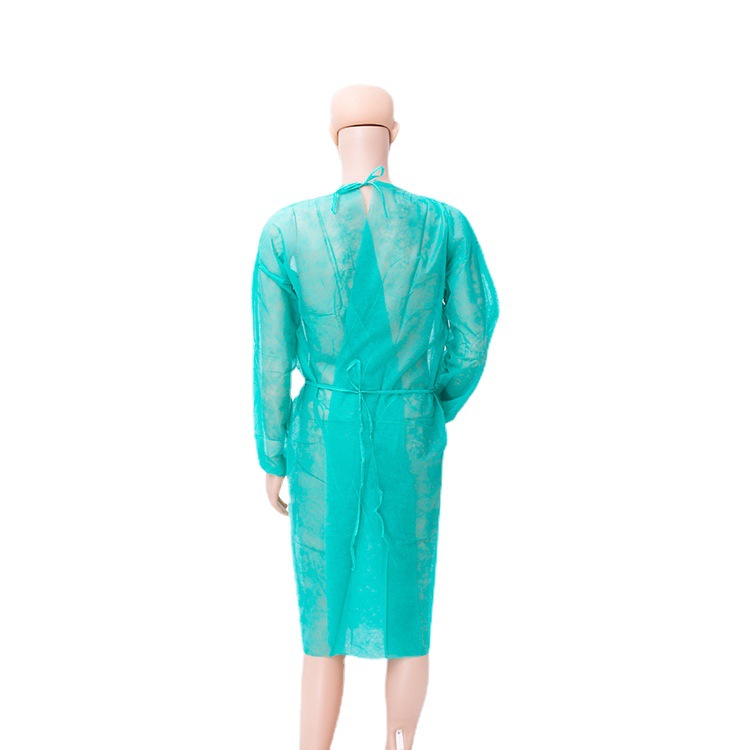
Operate and Maintain
Garment Wear:- Ensure that the operator fully understands the dressing procedure and precautions before wearing the garment.- Wear the garments in the correct order, starting with the bottom equipment, followed by gloves, hood, protective suit, and so on.- Check all connections to ensure they are secure and there is no risk of leakage.
Daily Use:- Avoid contact with sharp or hard objects during use to prevent damage to the garment.- Regularly inspect the garment’s sealing performance, and replace it immediately if any damage or aging is found.- Avoid long-term exposure to high temperatures or high humidity to prevent affecting the performance of the garment.
Maintenance and Care:- Clean the garment thoroughly after use to remove surface contaminants.- Avoid using strong acids, alkalis, or organic solvents during cleaning to prevent damage to the material.- After cleaning, place the garment in a well-ventilated and dry place to dry, avoiding direct sunlight.
Storage Management:- Store the garments in a dry, cool environment, avoiding moisture and corrosion.- Avoid stacking them on top of each other during storage to prevent creases and damage.- Regularly inspect the garments, record any damage, and replace or repair them in a timely manner.
Emergency Response:- In the event of garment damage or leakage, immediately evacuate the hazardous area and seek professional assistance.- Minimize movement while waiting for rescue to reduce the risk of leakage.- If possible, use backup garments or temporary protective measures.
Professional Training:- Operators should receive professional training to understand the correct procedures for wearing, using, and maintaining full isolation suits.- Organize training and assessments regularly to ensure operators have the necessary knowledge and skills.
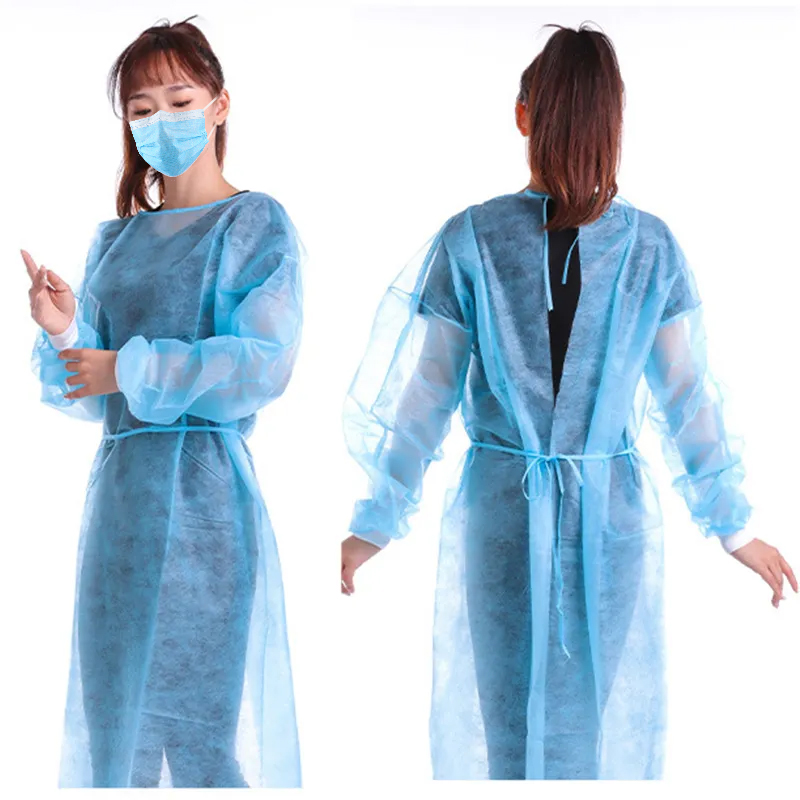
Industry Application Cases
The utility of full isolation suits in the chemical enterprise: A chemical factory that handles risky chemical compounds has followed complete isolation suits to make certain the safety of the operators while in contact with dangerous materials. those suits, product of multi-layer shielding materials, correctly isolate toxic gases and beverages while keeping proper breathability, permitting workers to stay comfy in high-temperature environments.
protection in oil and fuel exploration: in the subject of oil and gasoline exploration, complete isolation fits additionally play a critical role. for instance, in an offshore oil discipline’s subsea oil extraction operations, the operators wear full isolation suits to withstand corrosive gases and oil inside the high-pressure subsea surroundings, making sure the smooth development of the operation.
Radiation safety in nuclear power plants: Nuclear power plant workforce should put on complete isolation suits all through maintenance and operation of the nuclear reactor. these suits are able to withstanding radiation, inclusive of neutrons and gamma rays, ensuring the protection of the group of workers within the nuclear environment.
protection in biosafety laboratories: In biosafety level P3 or P4 laboratories, full isolation suits are important shielding tools. Researchers at a biotechnology business enterprise, for example, put on complete isolation suits in the course of studies on rather pathogenic viruses, effectively stopping the leakage and cross-infection of the virus.
protection in the aerospace subject: full isolation suits also play a extensive position in aerospace preservation and manufacturing. as an instance, airline protection personnel put on full isolation suits during the repair of rocket engines to face up to excessive temperatures and corrosive substances.
Sanitary safety in the meals processing industry: In food processing establishments, full isolation suits are used to make certain the hygiene and safety of the manufacturing procedure. Operators in a food processing plant, as an example, put on complete isolation suits throughout food packaging operations, efficiently stopping the spread of bacteria and viruses, as a consequence ensuring the hygienic first-class of the food.
The above cases show that complete isolation fits have a extensive range of packages across various industries. They not simplest provide vital safety but additionally help to enhance operational performance and safety standards in each quarter.