PVC Material Shoes: IT, Q, X, and the Future of Footwear Fashion
The shoe material made of PVC, with its unique properties and diverse designs, has recently gained an important position in the shoe market. This article will discuss the production process of PVC material shoes and analyze their prospects and challenges in the market.
PVC Material Shoes Introduction
PVC material shoes are footwear products primarily made from Polyvinyl Chloride (PVC), a widely used synthetic resin known for its excellent physical and processing properties, making it a popular choice in the shoe materials sector.
Shoes made with PVC soles boast superior wear resistance and shock absorption, maintaining good performance in complex environments. Additionally, PVC material remains flexible even in, preventing cracks, and offers good insulation, making it suitable for cold regions as well.
In terms of design, the shoe upper made of PVC has good moldability, allowing for a variety of colors and patterns to meet the personalized needs of different consumers. Moreover, PVC material is excellent for water resistance, repelling moisture and suitable for outdoor activities or rainy weather.
The range of styles for PVC material shoes is diverse, including leisure, sports, and work shoes, catering not only to everyday wear but also specific occasions. In the children’s shoe market, PVC material shoes are a popular choice among many parents due to their lightness and non-slip properties.
In terms of production process, the manufacturing of PVC material shoes is relatively straightforward, involving steps such as raw material preparation, sole calendaring, upper cutting, bonding, shaping, and assembly. This material is easy to process, leading to high production efficiency and relatively low costs.
Regarding environmental considerations, there is some controversy surrounding PVC material shoes. While the material itself is recyclable, the production process may produce harmful substances, and discarded PVC shoes are difficult to decompose, posing certain environmental impacts. Therefore, when choosing PVC material shoes, consumers should pay attention to the product’s environmental performance.
On the market, PVC material shoes are favored by consumers for their affordability, diverse styles, and strong functionality. As consumer demands for shoe products continue to rise, PVC material shoes are also constantly being optimized and upgraded to meet market needs.
As a common shoe material, PVC material shoes have established a place in the shoe market with their unique properties and processing advantages. In the future, with technological advancements and the enhancement of consumers’ environmental awareness, PVC material shoes will maintain their traditional strengths while also focusing more on the improvement of environmental performance.
Properties and Advantages of PVC Material
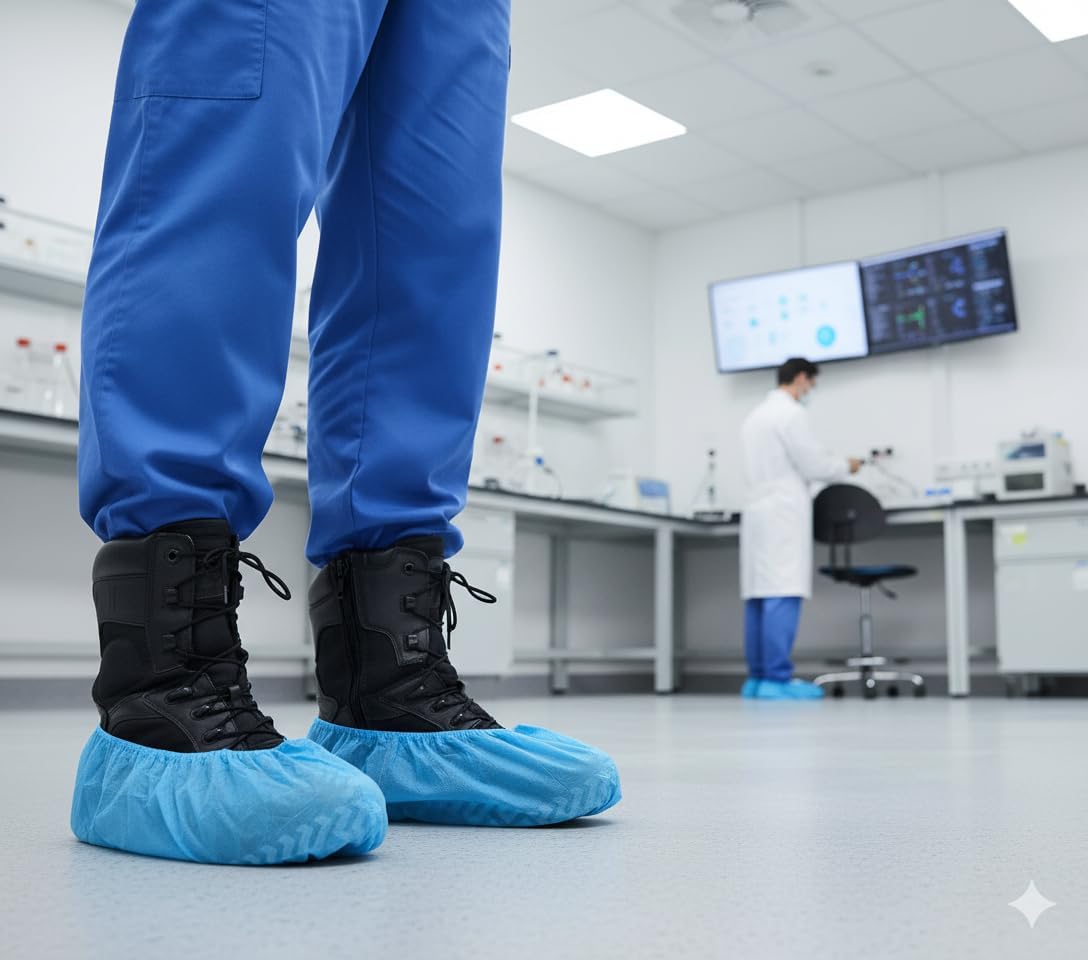
PVC material, also known as polyvinyl chloride, is a widely used synthetic plastic. It possesses the following characteristics and advantages:
-
Chemical Resistance: PVC is highly resistant to most chemicals and is not easily corroded by acids, bases, salts, and other substances, making it suitable for various industrial and everyday applications.
-
Water Resistance: PVC material exhibits excellent waterproof properties, is not prone to absorb water, and therefore maintains better stability and durability in moist environments.
-
Weather Resistance: PVC has good weather resistance and can withstand the erosion of natural factors such as ultraviolet rays and ozone, making it suitable for outdoor use.
-
Heat Resistance: PVC material has good heat resistance and can maintain physical and chemical stability within a certain temperature range, suitable for high-temperature environments.
-
Processability: PVC material is highly malleable and can be processed through various techniques such as extrusion, injection molding, and blow molding to accommodate different shapes and sizes of products.
-
Cost-effectiveness: PVC is relatively inexpensive to produce and has abundant raw material sources, offering a competitive price advantage.
-
Flame Retardancy: PVC material has certain flame retardant properties and is not easy to burn, providing high safety.
-
Colors and Transparency: PVC material can be produced in a variety of colors and transparencies to meet different design and decorative requirements.
-
Acoustic Performance: PVC has good sound insulation properties and can be used in the manufacture of soundproof doors and panels.
-
Electrical Insulation: PVC material has excellent electrical insulation properties, suitable for applications such as wiring and cable, and electronic components.
-
Abrasion Resistance: PVC material is highly abrasive and is suitable for manufacturing wear-resistant soles, sports equipment, and other products.
-
Biocompatibility: PVC has certain biocompatibility and can be used in medical devices and food packaging.
-
Environmental Friendliness: PVC material is recyclable, causing less environmental impact and in line with the concept of sustainable development.
-
Transparency: PVC has good transparency, making it suitable for manufacturing transparent containers, windows, and more.
-
Impact Resistance: PVC material has high impact resistance and is suitable for manufacturing sports equipment and safety protection products.
In summary, PVC material, with its excellent properties and wide range of applications, has become an indispensable material in modern industry and daily life.
Application fields of PVC material shoes
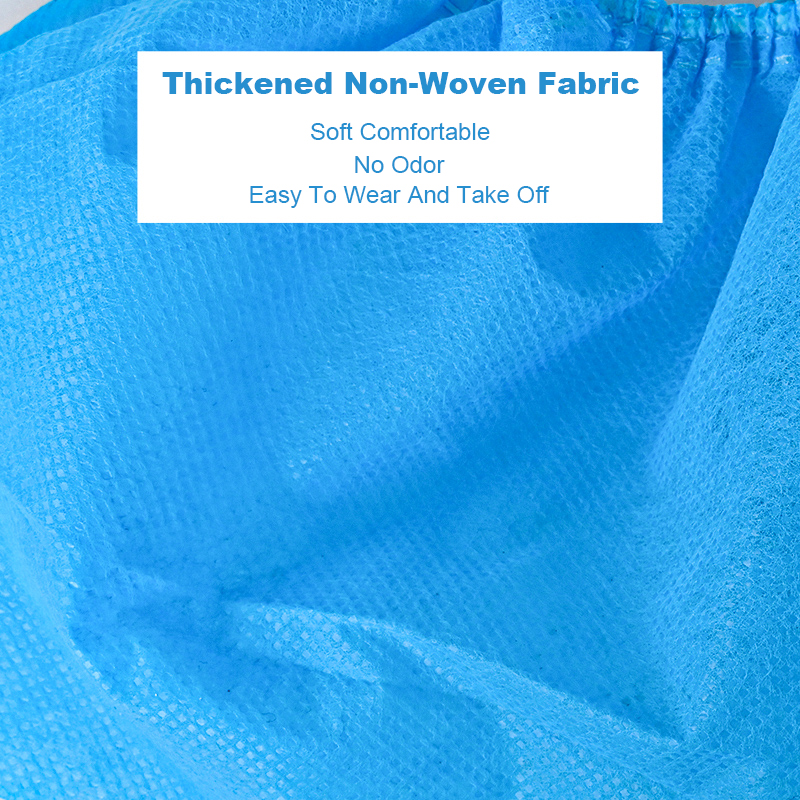
PVC materials, due to their lightweight, durable, and easy-to-process characteristics, are increasingly being applied in the field of footwear products. Here are some main application areas of shoes made from PVC materials:
In the leisure shoe sector, PVC is widely used in sports shoes, sandals, slippers, and other casual footwear due to its good elasticity and comfort. These shoes often feature waterproof and non-slip properties, making them suitable for outdoor activities and daily wear.
In the children’s shoe market, PVC shoes are favored for their softness, ease of cleaning, and durability. Children’s shoes such as walking shoes, sandals, and sports shoes often use PVC materials, ensuring both safety and convenience for parents in cleaning and maintenance.
In the industrial protective shoe field, PVC shoes are the preferred choice for workers in factories, mines, and chemical industries due to their oil resistance, acid and alkali resistance, and wear resistance. These shoes usually have good electrical insulation properties, effectively protecting workers from electric shocks and chemical injuries.
In the medical field, PVC shoes are used for the work shoes of medical staff due to their non-toxicity and ease of disinfection. These shoes require excellent antibacterial properties to reduce the risk of cross-infection within hospitals.
For special occasions such as weddings, celebrations, and festivals, PVC shoes offer a variety of styles and colors, making them fashionable accessories. Items like wedding shoes, dinner party shoes, and dance shoes are made from PVC materials, which are lightweight and comfortable, easy to match with various outfits.
In the outdoor exploration field, PVC shoes are the ideal choice for activities such as hiking, camping, and exploration due to their weather resistance and waterproof properties. These shoes typically have non-slip, wear-resistant, and breathable features, providing safety for adventurers.
In the pet products market, PVC materials are also used to make pet shoes and pet backpacks. These products are lightweight and durable, protecting pets’ feet from injury and facilitating pet owners’ travel with their pets.
In the military field, PVC shoes are used to make combat boots for soldiers due to their durability, waterproof, and non-slip characteristics. These shoes require good support and protective properties to adapt to complex battlefield environments.
In special environments for work, such as firefighting, police, and special police operations, PVC shoes are used due to their ability to withstand high and low temperatures, as well as chemicals. These shoes provide excellent protection to ensure the safety of workers in these professions.
PVC shoes have a wide range of applications in various fields, and their diverse characteristics and advantages make them an indispensable part of the footwear industry.
PVC material shoe production process
-
Raw Material Preparation: The production of PVC material shoes begins with the pretreatment of PVC resin, which includes steps such as crushing, sieving, and drying to ensure that the raw materials reach a certain fineness and dryness, laying a foundation for subsequent production.
-
Formula Design: According to product requirements and performance specifications, an appropriate PVC formula is designed. The formula typically includes PVC resin, plasticizers, stabilizers, fillers, and lubricants. These components are mixed in specific proportions to ensure that the shoe material has good physical and processing properties.
-
Mixing and Blending: The pre-processed PVC resin and other additives are mixed and blended according to the formula proportions until they are completely uniform. This process requires precise control of temperature and time to ensure thorough mixing of all components.
-
Melt Extrusion: The mixed PVC material is melted and extruded through an extruder to form the desired shoe sole shape.
-
Cooling and Shaping: The melted PVC sole is cooled to solidify and take shape. During the cooling process, temperature and speed need to be controlled to ensure uniform thickness and precise dimensions of the sole.
-
Cutting: The cooled and shaped sole is cut to the required size to form individual soles.
-
Upper Processing: The upper material is usually made of fabrics or leathers. The upper material is cut into the required shape and then sewn or bonded to form the shoe upper.
-
Sole and Upper Bonding: The cut soles are bonded to the processed upper. Bonding methods include hot melt bonding, cold bonding, and ultrasonic bonding, among others, and the appropriate bonding method is selected based on product requirements.
-
Heel Assembly: The heel is assembled with the sole to ensure firm fixation. The heel material can be EVA, rubber, etc., which is selected based on style and performance requirements.
-
Quality Inspection: The finished shoes are inspected for appearance, dimensions, bonding strength, and other factors to ensure that the product quality meets standards.
-
Packaging: Qualified finished shoes are packaged for shipment and sale.
The entire production process of PVC material shoes is strict, with high requirements for equipment, raw materials, and operators. With the continuous advancement of technology, the production process of PVC material shoes is also constantly improving to meet market demand.
Market Prospects and Challenges of PVC Material Shoes
PVC material shoes, with their lightweight, durable, and easy-to-clean features, have a wide range of applications in the market. However, as the industry develops, both opportunities and challenges coexist.
-
Diversified Products to Meet Market DemandThe production process of PVC material shoes is flexible, allowing for the creation of various styles and functional shoe products. From casual shoes to sports shoes, from work shoes to fashionable shoes, the application of PVC material shoes continues to expand, meeting the needs of different consumers. With the increasing pursuit of personalization and fashion by consumers, there is a vast space for innovation in product design and functionality.
-
Rising Environmental Awareness, Green Production TrendsIn recent years, environmental issues have garnered greater attention. The production of PVC material shoes is subject to higher environmental requirements. Green production has become a trend in the industry, and enterprises need to continuously optimize their production processes to reduce environmental impact. At the same time, as consumer recognition of environmentally friendly products increases, this presents new growth opportunities for the PVC material shoe market.
-
Intensified Market Competition, Brand Differentiation CompetitionWith the expansion of the PVC material shoe market, competition has become increasingly fierce. Many companies have joined this field, leading to serious product homogenization. To stand out in the market, enterprises need to strengthen brand building and enhance product value-added. Through technological innovation, design innovation, and marketing strategies, they can achieve brand differentiation competition.
-
Expansion into International Markets, Globalization StrategyPVC material shoes have a broad market demand, performing well not only domestically but also internationally. With the advancement of national strategies such as the Belt and Road Initiative, Chinese PVC material shoe enterprises are expected to further expand into international markets and achieve a global layout. However, facing international market competition, enterprises need to have strong brand influence, product quality, and after-sales service.
-
Consumer Upgrade, Vast Potential in High-End MarketWith the continuous development of the Chinese economy, consumers’ demands for quality of life are increasingly high. There is vast potential in the high-end market for PVC material shoes, as consumers are willing to pay higher prices for high-quality and high-performance products. Enterprises should seize this opportunity, increase research and development investment, and improve product quality to meet high-end market demands.
-
Challenges and Risks Coexist, Enterprises Need to Cautiously TackleThroughout the development of the PVC material shoe market, enterprises face numerous challenges and risks, such as fluctuations in raw material prices, changes in environmental policies, and intensified market competition. Enterprises need to closely monitor market dynamics, adjust production strategies reasonably to reduce risks. Additionally, they should strengthen internal management and enhance core competitiveness to cope with market challenges.