Finding Quality Industrial Clothing Near Me: A Comprehensive Guide
With the diversification of industrial production environments, choosing the appropriate industrial apparel is crucial for ensuring employee safety and improving work efficiency. This article will discuss how to select suitable industrial clothing and recommend some high-quality suppliers to assist readers in making wise decisions during the purchasing process.
Recent overview of the industrial workwear market
The industrial workwear market in China has shown a steady growth trend recently. With the rapid development of the manufacturing industry, there is an increasing demand for high-quality and functional workwear. Here is an analysis of the current situation in the industrial workwear market:
-
Continuous Expansion of Market SizeIn recent years, the scale of the industrial workwear market in China has been rising year by year. According to relevant data, the market size exceeded 10 billion yuan in 2022. This growth momentum is attributed to the rapid development of the manufacturing industry and the increasing emphasis of enterprises on the working environment and safety protection of their employees.
-
Rich Variety of Product TypesThe industrial workwear market offers a wide range of products, including workwear, protective clothing, dust-proof clothing, and antistatic clothing, among others. Different types of industrial workwear cater to various working environments and needs, such as high-temperature operations, low-temperature operations, and contact with chemicals.
-
Intensified Brand CompetitionAs market demand grows, more and more enterprises are entering the industrial workwear industry, leading to increasingly fierce brand competition. Some well-known brands have consolidated their market positions through technological innovation and product upgrades, while emerging brands are gradually gaining a foothold in the market with unique designs and high-quality services.
-
Upgrading Consumer DemandConsumers’ requirements for industrial workwear are no longer limited to basic protection, but now also emphasize comfort, environmental friendliness, and fashion. This requires industrial workwear enterprises to continuously optimize product research and development and production processes to meet the increasingly high demands of consumers.
-
Blending of Online and Offline TrendsWith the of the Internet, the industrial workwear market is showing a trend of blending online and offline sales channels. Online sales channels provide consumers with more choices, while offline stores offer more direct experiences and after-sales services.
-
Gradual Improvement of Industry StandardsIn order to protect consumer rights and ensure the healthy development of the industry, the Chinese government has strengthened regulation of the industrial workwear market. In recent years, a series of policy and regulatory measures have been introduced, which have helped to improve industry standards and enhance the overall quality of industrial workwear.
-
Green and Environmental Protection as a Development TrendWith the rise of environmental awareness, green and environmental protection has become a development trend in the industrial workwear industry. More and more enterprises are focusing on the environmental performance of their products, such as using biodegradable materials and reducing the use of chemicals.
-
Accelerated Expansion into International MarketsDriven by the “Belt and Road” initiative, Chinese industrial workwear enterprises are actively expanding into international markets. More and more enterprises are paying attention to overseas markets, seeking cooperation with international brands and companies to enhance their competitiveness.
The industrial workwear market in China has achieved significant results in terms of market size, product variety, and brand competition. In the future, with the continued development of the manufacturing industry and the ever-evolving consumer demands, the industrial workwear market is expected to maintain a steady growth momentum.
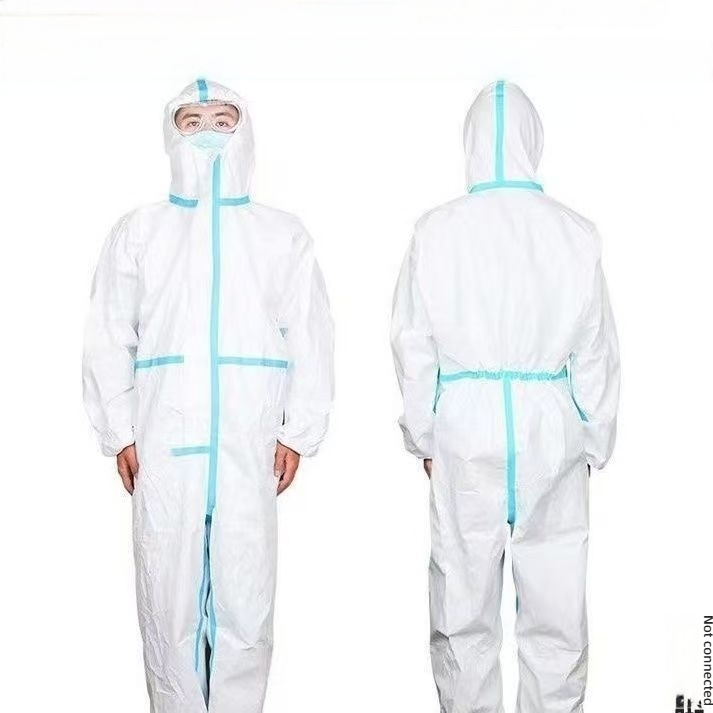
How to find nearby industrial clothing suppliers
When looking for local industrial clothing suppliers, the following methods can effectively guide you:
-
Search Online Platforms: Utilize internet resources to search on various e-commerce platforms, B2B websites, or specialized industrial clothing websites using keywords such as “industrial clothing wholesale” or “local industrial clothing suppliers” to quickly find supplier information in the local or neighboring areas.
-
Consult Industry Associations: Contact local industrial associations or chambers of commerce, which usually provide a directory of industry suppliers or recommend reliable partners.
-
On-site Inspection: Visit industrial zones, commercial districts, or industrial clothing markets to directly engage with merchants, allowing for a more intuitive understanding of product quality and services.
-
Use Social Media: Follow relevant industry groups or topics on social media platforms like WeChat, Douyin, and participate in discussions. Also, follow official accounts of industrial clothing brands to obtain supplier information.
-
Ask for Referrals from Peers: Communicate with colleagues to learn about the industrial clothing suppliers they use, as this can often provide reliable recommendations.
-
Check Local Yellow Pages: Flip through or search online for local yellow pages, which typically categorize commercial information, including contact details of industrial clothing suppliers.
-
Attend Industry Expos: Participate in local industrial clothing exhibitions or trade shows, which gather many suppliers and are a good opportunity to understand and select partners.
-
Use Mapping Services: Enter the keyword “industrial clothing” on mapping services like Gaode Map or Baidu Map to view the distribution of local suppliers and confirm contact online.
-
Follow Local News: Keep an eye on industry dynamics in the local news media, as they sometimes mention information about high-quality suppliers.
-
Get Referrals Through Personal Networks: Through personal networks, ask friends or colleagues about known reputable suppliers, as referral suggestions tend to be more reliable.
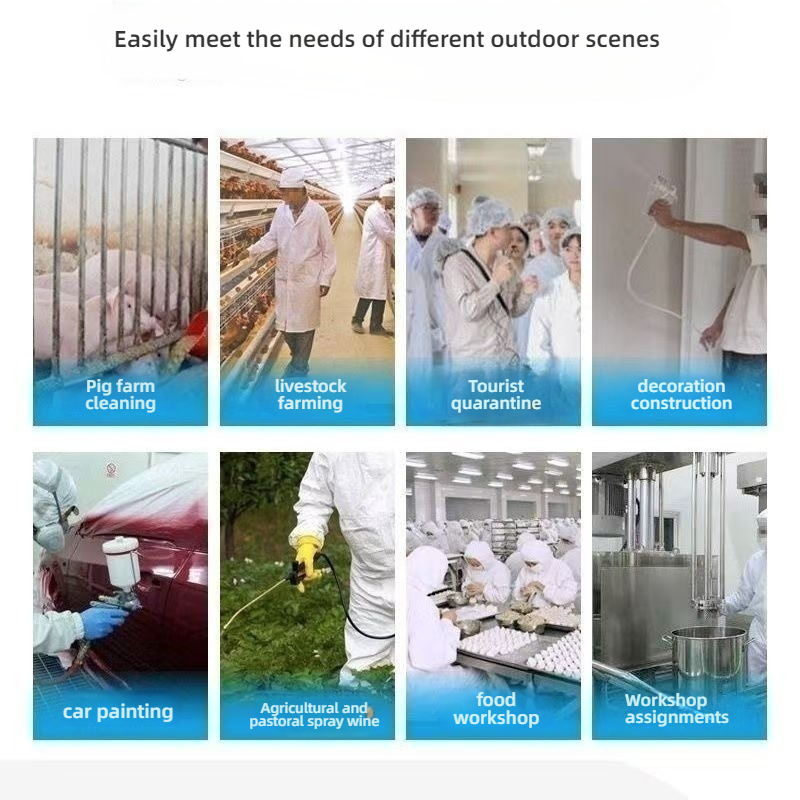
The importance of choosing appropriate industrial clothing.
The selection of appropriate industrial apparel is crucial as a key equipment for protecting workers’ safety and health, as it directly affects the safety of the work environment and the comfort of the employees. The following aspects elaborate on the importance of choosing suitable industrial clothing:
-
Safety Protection: Suitable industrial clothing can effectively prevent workers from harm caused by mechanical injuries, chemical leaks, high or low temperatures, and other hazards. For example, heat-resistant protective suits can protect workers from direct contact with heat sources, while static dissipative workwear can reduce the risk of fires caused by static electricity.
-
Comfort: The comfort of industrial clothing directly impacts the efficiency of workers. Appropriately sized and material clothing can reduce fatigue during long working hours, enhancing concentration. Ill-fitting clothing can cause discomfort and inconvenience during work.
-
Protective Function Matching: Different work environments require different types of protective clothing. For instance, welding operations require heat and cut-resistant materials, while the electronics manufacturing industry requires static dissipative and dust-proof apparel. Choosing the right clothing ensures that the protective functions match the work environment.
-
Corporate Image: Industrial clothing also reflects the corporate image. Uniform and professional design can enhance the corporate image, strengthen employee belonging, and team cohesion.
-
Legal Requirements: Many industries have legal regulations regarding workwear, such as labor protection laws. Choosing industrial clothing that complies with regulations can avoid legal risks for the company due to non-compliance.
-
Extending Clothing Lifespan: Suitable industrial clothing is designed with durability in mind, using high-quality materials and craftsmanship to extend the lifespan of the clothing, thus reducing corporate costs.
-
Environmental Considerations: With the increasing awareness of environmental protection, choosing environmentally friendly industrial clothing has also become a factor for consideration by enterprises. Eco-friendly fabrics not only reduce environmental pollution but can also lower operational costs for the company.
-
Health Protection: Appropriate industrial clothing can prevent harmful substances from entering the body through the skin, reducing the incidence of occupational diseases. For example, chemical permeation-resistant clothing can protect workers from chemical exposure.
-
Adaptability: Industrial clothing should have certain adaptability to accommodate different seasons and climatic conditions. For example, breathable fabrics can be chosen for summer, while warm clothing with good insulation is needed for winter.
-
Ease of Maintenance: Choosing industrial clothing that is easy to clean and maintain can reduce the company’s labor and time costs.
The selection of appropriate industrial clothing is of great significance for ensuring worker safety, improving work efficiency, maintaining corporate image, complying with regulations, and reducing costs. Enterprises should pay attention to the selection of industrial clothing and provide protective apparel that meets the needs and work environment of the employees.
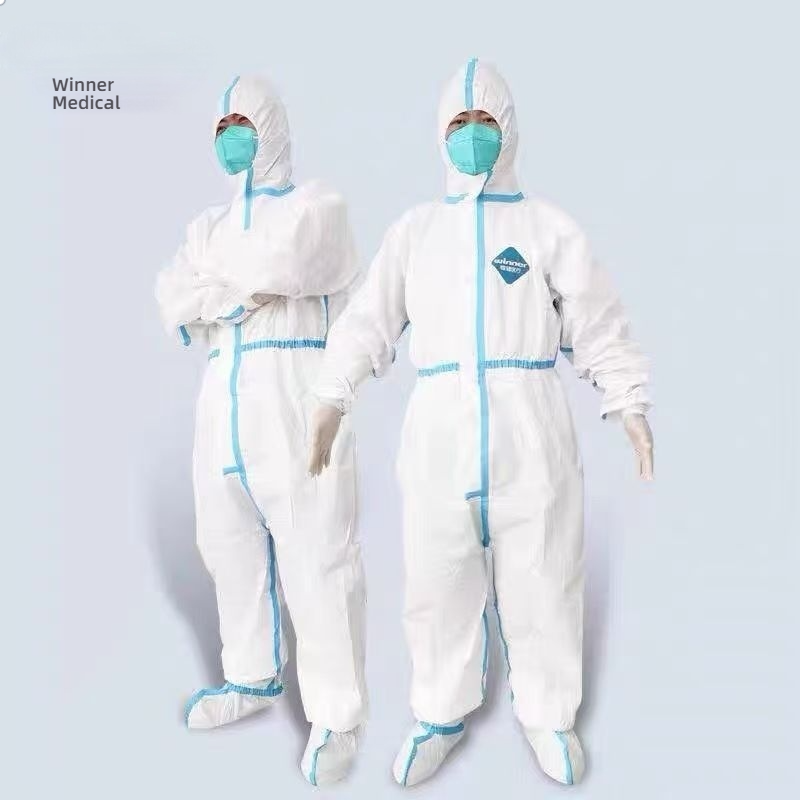
Common types of industrial clothing and their applicable scenarios
Industrial workwear is an essential equipment in workplaces, with a wide variety of types, each suited for specific work environments. Below is a list of several common types of industrial workwear and their applicable scenarios:
-
Dust Protective Clothing: Suitable for environments with high dust levels, such as mining, chemicals, and foundry industries. This type of clothing is made of breathable fabric that effectively blocks dust particles, protecting the worker’s respiratory system.
-
Oil-Resistant Clothing: Used in environments that come into contact with oil, such as the petroleum, chemical, and catering industries. Oil-resistant clothing is made from waterproof and oil-repellent materials, ensuring that workers are not affected by oil during their work.
-
Cut-Resistant Clothing: Suitable for high-risk activities like cutting, welding, and mechanical processing. Cut-resistant clothing is made of high-strength, abrasive-resistant fabric, providing protection against sharp objects.
-
Static-Discharge Clothing: Used in industries such as electronics and precision instrument manufacturing to prevent static damage to electronic products. Static-discharge clothing is made from antistatic fabric that reduces static buildup.
-
Waterproof Clothing: Suitable for outdoor work, construction, and water conservation industries. Waterproof clothing has features of rainproof, windproof, and thermal insulation, ensuring that workers can work normally in harsh weather and low temperatures.
-
Chemical Protective Clothing: Used in industries such as chemicals, pharmaceuticals, and laboratories to prevent injury from chemicals. Chemical protective clothing is made from acid-resistant and corrosion-resistant materials, ensuring safety when workers come into contact with chemicals.
-
High-Temperature Protective Clothing: Suitable for high-temperature work environments, such as forging, melting, and casting industries. High-temperature protective clothing is made from heat-resistant and insulating materials to protect workers from high temperatures.
-
UV Protective Clothing: Suitable for outdoor work and high-altitude operations that require sun protection. UV protective clothing has sun-protection and radiation-blocking functions to protect the worker’s skin health.
-
Stab-Resistant Clothing: Suitable for industries such as logistics, security, and police work to prevent piercing injuries. Stab-resistant clothing is made of high-strength fiber materials, providing adequate protection.
-
Thermal Insulating Clothing: Suitable for cold regions or low-temperature work environments, such as cold chain logistics and construction sites. Thermal insulating clothing is made from materials with good thermal insulation properties to keep workers warm.
Different types of industrial workwear have their focuses in applicable scenarios. Here is a match of several typical scenarios with clothing types:
- In mining operations, workers need to wear dust protective clothing and cut-resistant clothing to prevent harm from dust and sharp objects;
- In the petrochemical industry, oil-resistant clothing and chemical protective clothing are essential to ensure workers’ safety when exposed to oil and chemicals;
- In outdoor or cold regions, thermal insulating clothing and waterproof clothing are essential to deal with harsh weather and cold environments;
- In the electronics manufacturing industry, static-discharge clothing is crucial to prevent static damage to electronic products.
Choosing the right industrial workwear is not only about workers’ safety and health but also about improving work efficiency and reducing accident rates. Therefore, when selecting industrial workwear, it is important to choose the appropriate type based on the specific work environment and requirements.
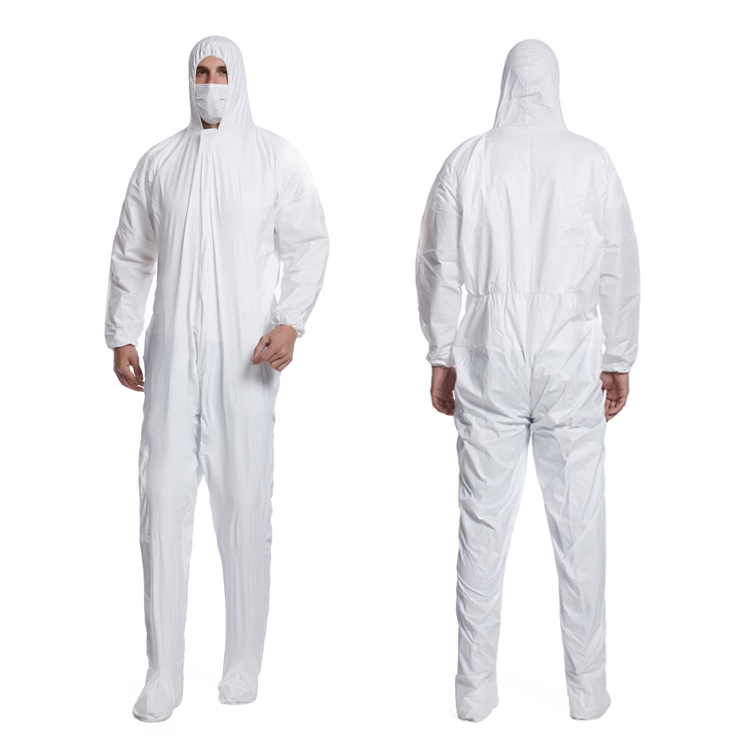
When purchasing industrial clothing, the following precautions should be taken:
When selecting industrial clothing, the following points should be paid special attention to:
-
Fabric Selection: The choice of fabric is crucial based on different working environments. For example, fire-resistant or heat-resistant fabrics should be chosen for high-temperature work, and easy-to-clean materials are required for oil and dirt prevention.
-
Size and Comfort: Ensure that the clothing fits properly, neither too tight to restrict movement nor too loose to compromise safety. The clothing should have good breathability and comfort to avoid fatigue from prolonged wearing.
-
Functional Design: Consider whether the clothing has functional designs such as reflective strips, pockets, and tool hooks, which can improve work efficiency and safety.
-
Safety Performance: The safety performance of industrial clothing is a primary consideration. Check if the clothing has protective functions that meet national safety standards, such as protective helmets, safety goggles, and protective gloves.
-
Brand and Quality: Choose well-known brands or manufacturers with good reputations, as their product quality and after-sales service are usually more guaranteed. Avoid purchasing low-cost, poor-quality products, as they may cause greater economic losses in the long run.
-
Environmental Factors: Some industrial clothing is made from environmentally friendly materials, which are friendly to the environment. When purchasing, pay attention to the environmental labels on the products to support sustainable development.
-
Regulatory Compliance: Understand national or industry standards and ensure that the clothing purchased complies with relevant laws and regulations, such as occupational health and safety standards.
-
After-sales Service: Inquire about the supplier’s after-sales service policy, including returns, exchanges, and repairs, in case of emergencies.
-
Personal Preferences: Although functionality is the primary consideration, personal preferences should not be overlooked. Appropriate colors and styles can enhance morale during work.
-
Cost-effectiveness: Within the budget, compare prices and services from different suppliers to find the most cost-effective products.
By considering these points, not only can employees’ safety and health in harsh working environments be ensured, but work efficiency can also be improved, and accidental injuries caused by uncomfortable clothing can be reduced. Therefore, when purchasing industrial clothing, it is necessary to consider all these factors and make a wise choice.
Recommending Quality Industrial Apparel Suppliers
When selecting an industrial clothing supplier, the following points are worth considering:
-
Brand Reputation: Quality suppliers typically have a good reputation and customer reviews. You can learn about the supplier’s history, service quality, and user feedback through online searches, social media, and industry forums.
-
Product Quality: Ensure that the industrial clothing provided by the supplier meets national and industry standards, with good durability and protective performance. You can request to see product test reports or samples, and conduct on-site inspections.
-
Customization Services: High-quality suppliers should offer customization services, designing and producing clothing that meets specific industry and job requirements. Understand the supplier’s customization process, delivery times, and pricing policies.
-
Price Transparency: When choosing a supplier, pay attention to whether the price is reasonable. A low price may indicate poor quality, while a high price may suggest excessive profit. Compare prices from different suppliers and ensure good value for money.
-
After-Sales Service: High-quality suppliers should provide comprehensive after-sales service, including returns, exchanges, and repairs. Understand the supplier’s after-sales service policies to ensure that issues can be resolved promptly after purchase.
-
Logistics and Delivery: Consider the supplier’s logistics and delivery capabilities, including delivery speed, range, and costs. Choose a supplier closer to you or with good logistics partnerships to reduce transportation costs and time.
-
Supply Capacity: Understand the supplier’s supply capacity, including production capabilities and inventory levels. Ensure that the supplier can meet your purchasing needs and avoid production delays due to insufficient inventory.
-
Safety Certifications: High-quality industrial clothing products from reputable suppliers usually have national safety certifications, such as GB, EN, etc. Confirm that the products meet relevant safety standards before purchasing.
Here are some recommended high-quality industrial clothing suppliers:
-
Supplier A: With years of industry experience, a rich variety of products, comprehensive customization services, and excellent after-sales service.
-
Supplier B: Specializes in industrial clothing production for specific industries, with high-quality products and reasonable prices.
-
Supplier C: High brand recognition, a comprehensive product line, and one-stop purchasing services.
-
Supplier D: Collaborates with multiple well-known enterprises, has strong customization capabilities, and rapid logistics and delivery.
When choosing a supplier, consider your company’s actual situation and needs, and weigh these factors to select the most suitable partner.