ASTM F2100 Level Face Shields in China: Quality, Efficiency, and Market Impact
Under the background of the normalized prevention and control of the COVID-19 pandemic, the ASTM F2100-rated protective face shield has gained significant attention in the market due to its high-efficiency protective performance. This article will delve into the advantages of Chinese factories in the large-scale production of ASTM F2100-rated face shields, as well as their performance in quality control, testing processes, and market applications.
Product Overview: ASTM F2100 Level Protection Face Shield – Made in China
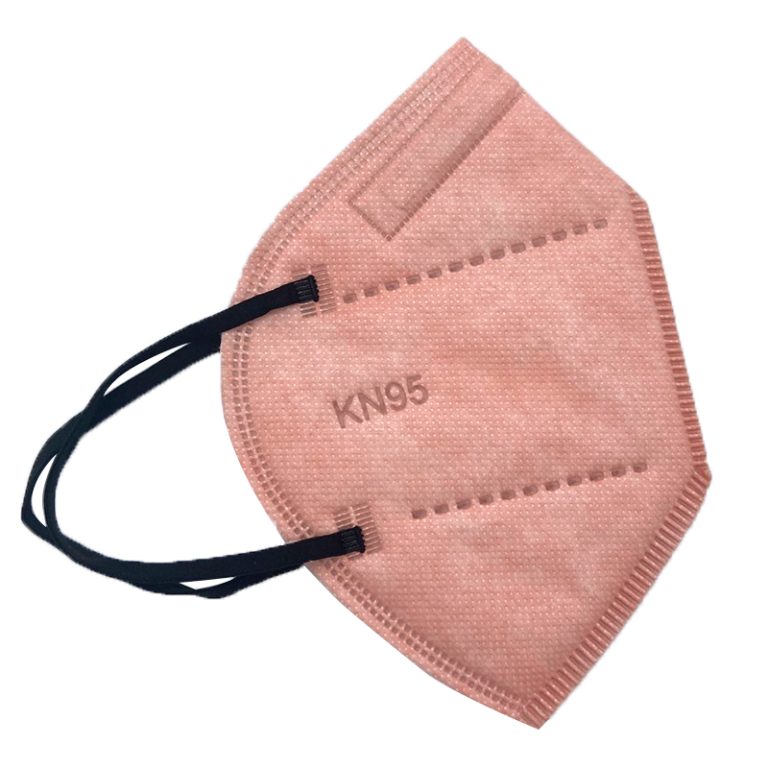
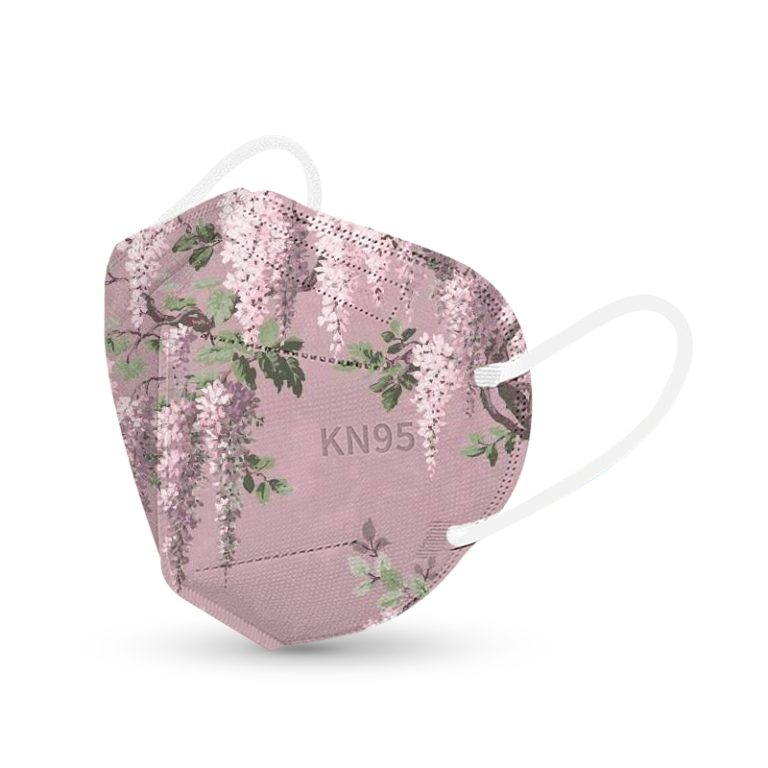
The ASTM F2100-rated protective masks, renowned for their exceptional protective performance, have gained widespread recognition globally. As the world’s largest producer of masks, China’s manufactured masks have also received market favor. Below is a detailed introduction to this protective mask.
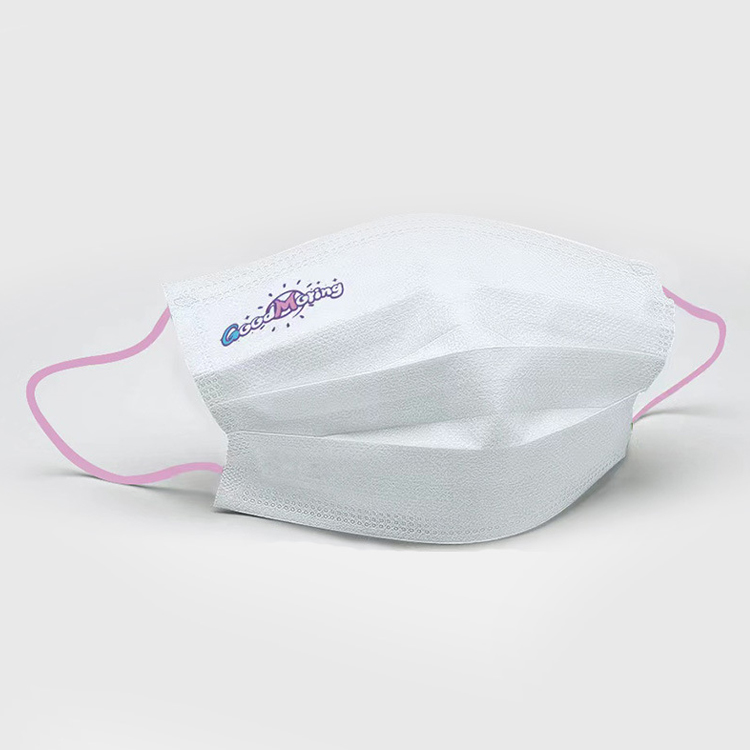
The mask is made from high-performance nonwoven materials, combined with advanced technology, ensuring its effectiveness in filtering particles, bacteria, and viruses. The outer layer of the mask is made from waterproof and breathable materials, while the inner lining is made of skin-friendly material, providing a high level of comfort for the wearer.
The filtration efficiency of the mask reaches the highest level of the ASTM F2100 standard, i.e., ≥95%. This means it can effectively filter out particles of ≥0.3 micrometers in the air, offering strong protection to the user. The mask features a metal nose clip at the edges, which can be adjusted according to the shape of the wearer’s nose to ensure a seal, preventing gas leakage.
In design, the ASTM F2100-rated protective mask takes into account the user’s wearing experience. The mask covers a large area of the face, covering the mouth and nose, reducing the opportunity for direct contact between the face and the outside world. The mask is easy to wear, allowing for single-handed quick application, convenient for users to respond quickly in emergencies.
The masks manufactured in China employ strict production processes and quality control systems. From raw material procurement to finished product shipment, every step is rigorously tested to ensure that product quality meets international standards. The large-scale production of nonwoven mask factories in China effectively controls the production costs of the masks while ensuring the stability and timeliness of supply.
Chinese factories have also optimized the durability of the masks. The durability tests show that the filtration performance remains stable even after multiple uses and washes, meeting the needs of long-term use.
The manufacture of the ASTM F2100-rated protective masks in China not only reflects the country’s manufacturing strength in the field of protective products but also meets the global market’s demand for high-quality protective products. The masks have a wide range of applications, including medical, industrial, military, and daily protection, and have received unanimous praise from customers.
This mask, with its efficient filtration performance, comfortable wearing experience, and stable quality assurance, has become a trusted protective product in the market. As global pandemic prevention and control continues, the ASTM F2100-rated protective masks manufactured in China will continue to play an important role worldwide.

China Nonwoven Face Mask Production Standards
Chinese non-woven fabric mask factories strictly adhere to the following production standards when manufacturing ASTM F2100-level protective masks:
-
Raw Material Selection: The factory selects high-quality non-woven fabric materials to ensure the strength and comfort of the masks. These non-woven fabrics are typically made from environmentally friendly materials such as polypropylene (PP), which have good filtration performance and durability.
-
Design and Structure: The mask design complies with the ASTM F2100 standard and is equipped with at least 95% particulate filtration efficiency. Structurally, the masks usually include adjustable nose bridges and ear loops or head straps to ensure a snug fit and comfort during wear.
-
Production Process: The production process strictly follows clean and hygienic operation procedures, including the purification and disinfection of the production environment, to prevent contamination. Each production stage has detailed operation specifications and inspection standards.
-
Filter Layer Treatment: The filter layer of the masks undergoes special treatment, such as electrostatic charging, to enhance its ability to capture fine particles. The adhesion of the filter layer to the non-woven fabric is checked multiple times during the production process.
-
Nose Bridge Adjustment: The nose bridge design is adjustable to accommodate different users’ nose bridge widths, ensuring a tight fit of the mask to the face and improving the protective effect.
-
Testing and Verification: Each batch of products undergoes rigorous testing before shipment, including bacterial filtration efficiency, particulate filtration efficiency, breathing resistance, and mask fit, to ensure compliance with the ASTM F2100 standard.
-
Packaging and Labeling: Product packaging must meet hygiene requirements, with clear labeling of product specifications, production date, batch number, and other information for easy traceability and management.
-
Quality Management System: The factory implements the ISO 9001 quality management system to ensure continuous improvement in the production process and stable, reliable product quality.
-
Environmental Protection and Sustainability: The factory emphasizes environmental protection during the production process, reduces waste generation, and uses recyclable materials for packaging.
-
Customer Feedback and Improvement: The factory values customer feedback and regularly assesses and improves products to meet market and user demands.
Technical Parameters of ASTM F2100 Level Face Masks
ASTM F2100-level face masks are renowned for their high technical specifications, the key details of which are as follows:
-
Material Selection: The face mask is made of high-quality non-woven fabric, which offers excellent filtration performance and comfort. Typically, meltblown non-woven fabric is used, which is effective in intercepting particles and preventing the spread of viruses and bacteria.
-
Filter Efficiency: The ASTM F2100 standard requires the face mask to achieve an efficiency of 95% or higher, meaning the mask can effectively filter out at least 95% of airborne particles, including particles as small as 0.3 micrometers.
-
Breathability Resistance: To ensure comfort for the wearer, the face mask’s breathability resistance should be kept within a reasonable range, usually not exceeding 34 mmH2O, to ensure that the wearer does not experience difficulty breathing during prolonged use.
-
Sealing Performance: The edge design of the face mask should fit the wearer’s face closely to minimize air leakage and ensure the protective effect. The mask usually comes with a nose bridge for better adaptation to different face shapes.
-
Durability: The face mask should maintain its filtration performance after a certain number of washes and disinfections, typically withstanding at least 50 cycles of cleaning.
-
Size Specifications: The mask should be suitable for different age and gender groups, usually offering multiple sizes for optimal fit and comfort.
-
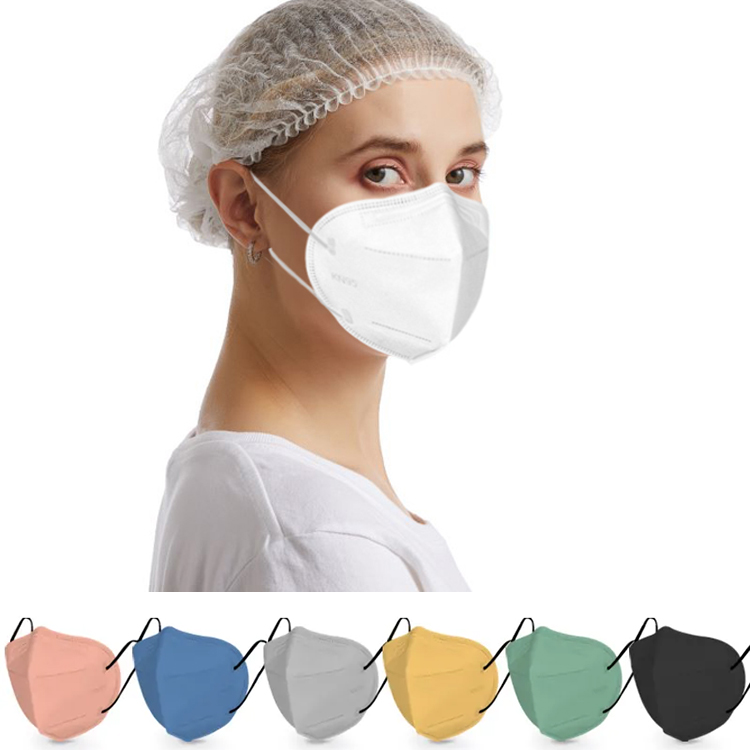
Color and Identification: The color and identification of the face mask should comply with relevant standards for easy recognition and differentiation. Common colors include white and blue, and the identification includes production date, batch number, manufacturer information, etc.
-
Testing and Certification: All ASTM F2100-level face masks must undergo rigorous testing and certification to ensure compliance with the standards set by the American Society for Testing and Materials (ASTM).
-
Packaging and Storage: The face masks must be sealed before shipment to prevent contamination, and they should be stored in a dry, well-ventilated environment, away from direct sunlight and high temperatures and humidity.
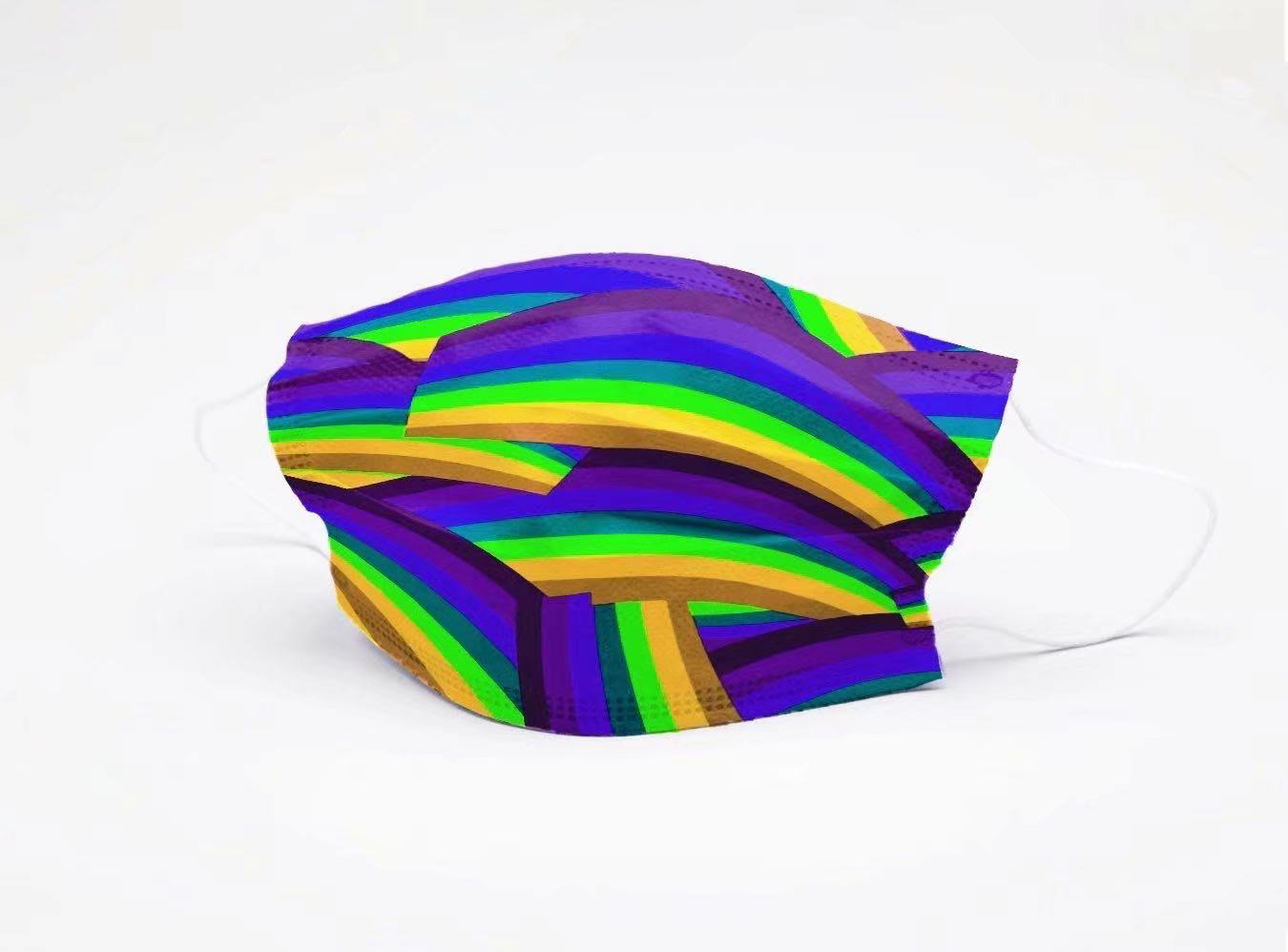
Face mask protection performance and applicable scenarios
The mask is made of high-density non-woven fabric, ensuring airtightness; it is equipped with melt-blown filter materials that achieve a filtration efficiency of over 95%, providing efficient interception of particles, viruses, and other micro-particles. The protective performance of the mask is manifested in the following aspects:
- Airtight Design: The mask’s edges are fitted with a sealing strip that offers excellent sealing, effectively reducing air leakage and ensuring that the wearer is not disturbed by contaminated air during breathing.
- Filter Efficiency: The melt-blown layer inside the mask can capture harmful particles such as bacteria and viruses from the air, providing the user with a solid protective barrier.
- Breathability: While maintaining high filtration efficiency, the mask is designed to reduce breathing resistance, ensuring that the wearer does not feel discomfort even during extended periods of wear.
- Application Scenarios: Suitable for medical, health, laboratory, food processing industries, as well as public places requiring high-level protection.
The mask has a wide range of applicable scenarios, including:
- Medical Field: Healthcare workers can reduce the risk of infection during operations and nursing when in close contact with patients.
- Industrial Protection: In production environments such as chemical, pharmaceutical, and electronics industries, the mask can effectively prevent the inhalation of harmful gases and particles.
- Public Safety: During natural disasters, accident rescue operations, and other emergencies, the mask provides necessary protection for rescue personnel.
- Daily Protection: During flu seasons or during outbreaks of diseases, the public can reduce the risk of virus transmission by wearing masks.
The mask also features the following characteristics:
- Lightweight and Comfortable: The mask is lightweight and does not cause discomfort upon wearing, making it comfortable for extended periods.
- Easy to Clean: The mask’s surface material is easy to clean, allowing for reuse and cost reduction.
- Quick to Put On: The mask’s design is simple, making it quick and easy to wear without the need for additional tools or skills.
In summary, the ASTM F2100-level mask, with its excellent protective performance and wide range of applications, has become the preferred product for personal and industry-level protection.
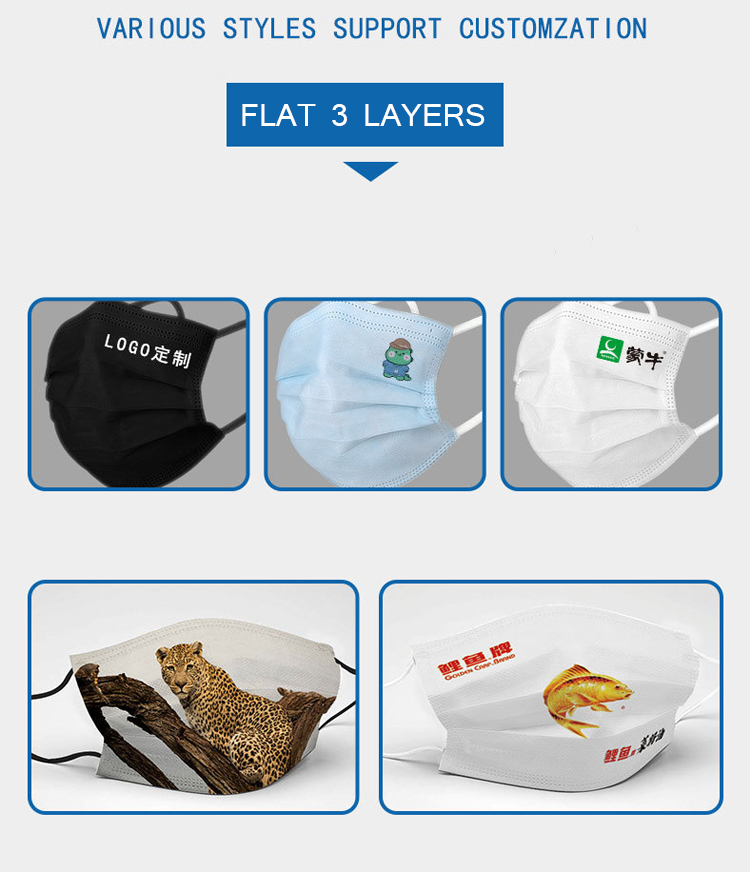
The advantages of large-scale production in Chinese factories
Under the backdrop of increasingly growing domestic and international demand, Chinese non-woven fabric mask factories have their production advantages become a global hub for the production of protective supplies. The following are the specific manifestations of these advantages:
High Production Efficiency: Chinese non-woven fabric mask factories utilize automated production lines, ensuring seamless from raw materials to finished products, which significantly enhances production efficiency. Automated equipment ensures product consistency and stability, reducing human errors.
Tight Cost Control: Large-scale production enables effective control over raw material procurement, equipment maintenance, and labor costs. Factories achieve cost savings through bulk purchasing of raw materials; standardized production processes reduce labor costs and equipment wear and tear.
Comprehensive Quality Management System: Chinese factories generally have established strict quality management systems that adhere to international standards such as ISO9001. Each stage from raw material procurement to finished product shipment is subject to rigorous quality inspections, ensuring compliance with international standards such as ASTM F2100.
Rapid Technological Updates: With continuous technological advancements, Chinese non-woven fabric mask factories are able to quickly adopt and absorb international advanced technologies, continuously improving the automation level of production equipment and product quality.
Fast Response to Market Changes: Large-scale production allows factories to respond quickly to market changes, meeting the needs of various customers. Whether it’s urgent orders or regular orders, factories can complete production in a short time, ensuring timely delivery of products.
Stable Supply Chain: Chinese non-woven fabric mask factories have an supply chain system that ensures the stability and timeliness of raw material supply. This enables factories to maintain stable production costs in the face of fluctuations in raw material prices.
Enhanced Environmental Awareness: With increasingly stringent environmental regulations, Chinese non-woven fabric mask factories, while engaging in large-scale production, also pay attention to environmental protection and energy conservation. Factories use energy-saving equipment, reducing energy consumption and lowering environmental pollution during the production process.
Extensive International Cooperation: Chinese non-woven fabric mask factories actively expand international cooperation, establishing partnerships with several internationally renowned companies to jointly research and produce high-quality protective products. This not only enhances the international competitiveness of the products but also promotes the healthy development of the global protective supplies market.
In summary, the advantages of large-scale production in Chinese non-woven fabric mask factories are fully reflected in aspects such as improving production efficiency, reducing costs, ensuring product quality, quickly responding to market changes, stabilizing the supply chain, enhancing environmental awareness, and extensive international cooperation. These advantages have positioned Chinese factories as a significant player in the global protective supplies market.
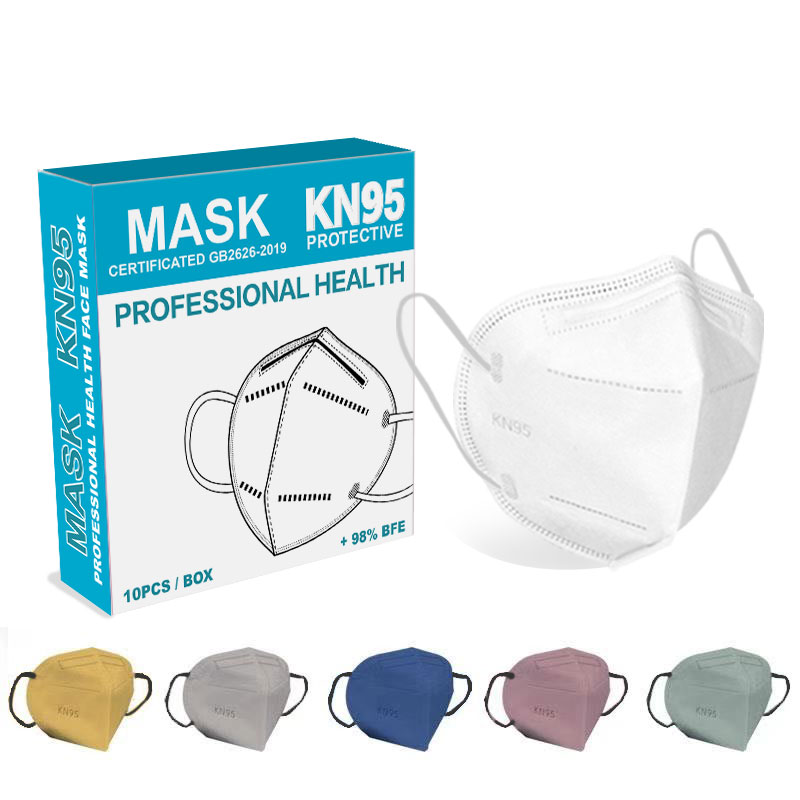
Quality Control and Inspection Process
The quality control and testing process in the production of non-woven fabric masks is crucial to ensure that the products meet national standards and customer requirements. The following is a detailed description of this process:
-
Raw Material Selection: Before production, the factory rigorously selects raw materials such as non-woven fabric, ensuring the fibers are evenly distributed and free of impurities, in compliance with the ASTM F2100 standards.
-
Mask Structure Design: According to the ASTM F2100 standards, masks must have specific structural designs, including nose bridges, ear loops, and the mask face layer. The factory designs the masks in accordance with the standards to ensure fit and comfort.
-
Automated Production Line: An automated production line is used for cutting, folding, and bonding of the masks, reducing human error and increasing production efficiency.
-
Lamination Technology: The mask face layer is laminated using technology that combines non-woven fabric with meltblown fabric to enhance filtration performance. The lamination process must control temperature and pressure to ensure the lamination effect.
-
Filtration Performance Testing: After the masks are produced, they must undergo filtration performance testing, including bacterial filtration efficiency (BFE) and particle filtration efficiency (PFE). The testing equipment must be calibrated regularly to ensure the accuracy of the test results.
-
Aerodynamic Testing: The masks’ airtightness is tested to ensure that the mask can effectively block airborne particles when worn. The test includes both static and dynamic airtightness, simulating wearing conditions in different environments.
-
Microbial Testing: Microbial testing is conducted on the masks to ensure that the product is not contaminated by microorganisms during storage and transportation.
-
Packaging and Labeling: The packaging of the masks must meet hygiene requirements, with packaging materials being non-polluting and non-toxic. The packaging must clearly label the product name, specifications, production date, and shelf life information.
-
Final Product Sampling: During production, finished products are sampled to check if the masks meet standard requirements in terms of appearance, dimensions, weight, and filtration performance.
-
Handling of Non-Conforming Products: If non-conforming products are found, they are immediately isolated and the cause is analyzed. Measures are taken to rectify the situation to ensure the quality of subsequent production.
-
Quality Management System: The factory establishes an, including ISO 9001 quality management system certification, to ensure continuous improvement in the production process and the enhancement of product quality.
-
Customer Feedback and Improvement: Customer feedback is collected, and products are continuously improved to ensure that product quality meets market and customer demands.
Through the above quality control and testing processes, Chinese non-woven fabric mask factories can ensure that every batch of products meets the ASTM F2100 standards, providing consumers with safe and reliable protective products.
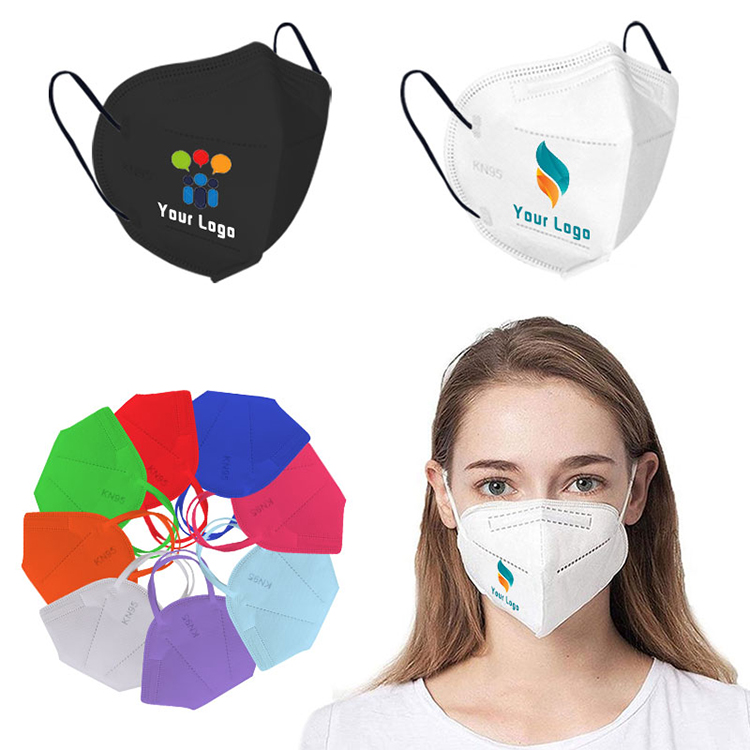
Market Applications and Customer Evaluations
ASTM F2100-level face masks, with their exceptional protective performance, are widely used in various fields. Their applications in the market are primarily evident in the following aspects:
The face masks have been extensively used in the medical field, particularly during the outbreak of the COVID-19 pandemic, becoming a crucial protective tool for healthcare workers and patients. Their ability to effectively block the spread of droplets makes the ASTM F2100-level face masks a valuable weapon in the fight against the pandemic.
In industrial production environments, the face masks also play a critical role. Workers in factories can wear these masks to prevent harmful gases, particles, and dust from harming their respiratory systems, thereby ensuring employee health.
ASTM F2100-level face masks are also applied in the education sector. During the pandemic, teachers and students have used these masks to reduce the risk of respiratory disease transmission.
The masks are also significant in public settings. Shopping malls, airports, train stations, and other densely populated areas have adopted the use of face masks as a standard preventive measure against the pandemic.
Customers have given high praise for the ASTM F2100-level face masks. On one hand, the comfort of the masks has been recognized, with wearers maintaining a sense of comfort even after extended use. On the other hand, the masks’ good seal and effective protective performance have received positive feedback from customers.
Many customers have stated that after comparing various protective products, the ASTM F2100-level face masks stood out for their excellent protective performance and practicality. Especially during the pandemic, the timely supply and consistent quality of the masks have provided practical solutions for customers.
Customers also mentioned that the transparency of the masks is high, ensuring that wearers do not suffer from impaired vision due to protection. This is particularly important in situations requiring frequent communication.
In summary, the ASTM F2100-level face masks, with their robust market applications and positive customer reviews, have become a preferred choice of protective equipment in numerous fields. In the course of future development, it is anticipated that this mask will continue to expand its market share and provide security to even more users.