Isolation Suit Innovations: Materials, Applications, and Future Trends in Personal Protective Gear
With the continuous development of modern industry and the medical field, isolation suits have emerged as an essential protective gear, with their role becoming increasingly prominent. This article will discuss the materials and characteristics of isolation suits, analyze their applications in various fields, and also look forward to the future development trends of isolation suits.
Isolation suit overview
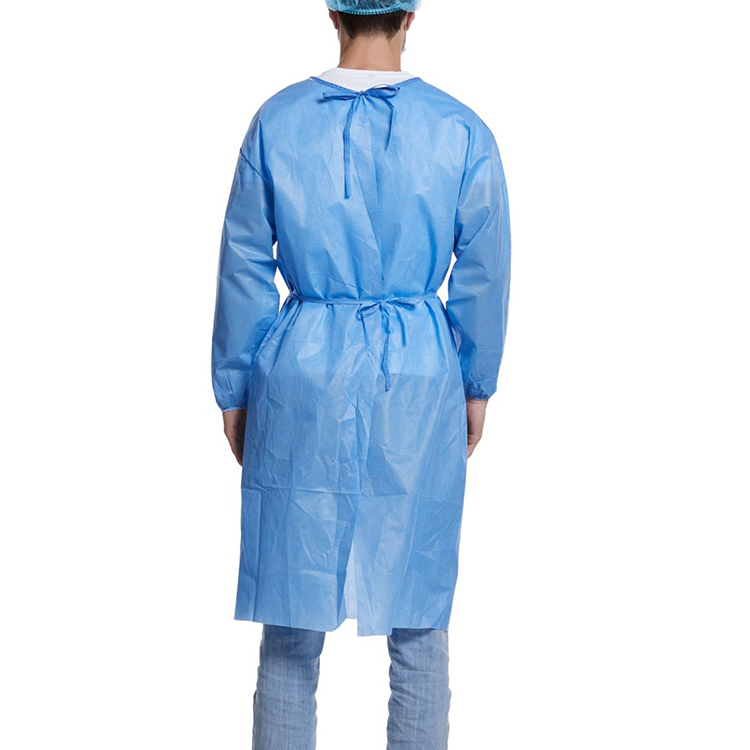
Isolation suits are personal protective equipment designed to protect individuals from harmful substances, pathogens, or harsh environments. They are typically made up of multiple layers of materials, including an inner moisture-wicking and breathable layer, a middle barrier layer, and an outer waterproof layer. The design of isolation suits aims to provide comprehensive protection, ensuring that users remain safe and healthy when in contact with potential hazards.
In terms of materials, isolation suits commonly use materials such as polyethylene (PE), polypropylene (PP), and polytetrafluoroethylene (PTFE), which have excellent barrier properties and durability. Additionally, special-purpose isolation suits may incorporate special functional layers such as antistatic, flame-retardant, and oil-resistant properties.
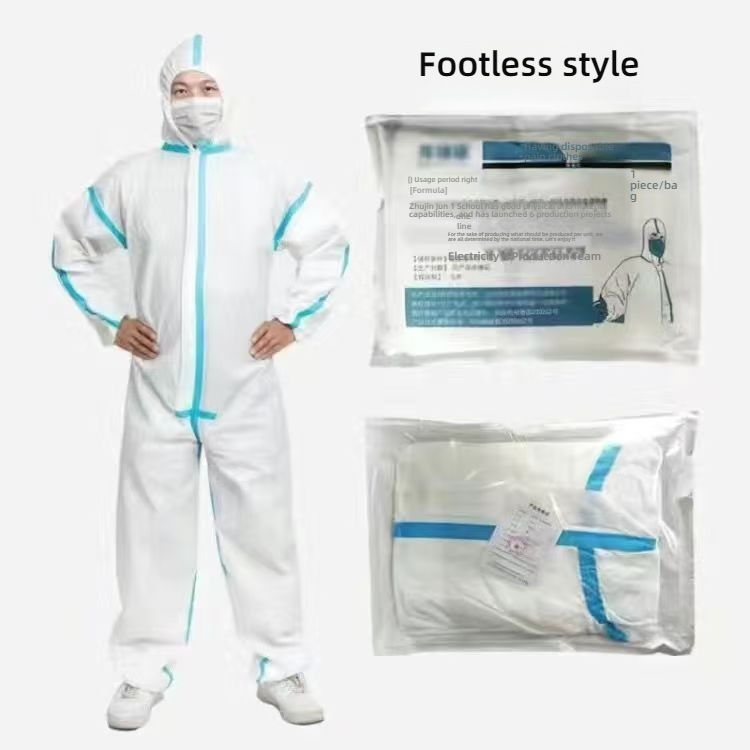
In terms of construction, isolation suits usually include a jacket, pants, a hood, gloves, and boot covers to ensure full-body protection. The jacket and pants have multiple pockets for carrying necessities. The hood and gloves are designed to be removable for easy replacement and cleaning. The boot covers are tightly sealed to the boots to prevent harmful substances from entering.
Isolation suits are widely used in various fields, including healthcare, chemicals, biosafety, oil, and food processing. In the healthcare sector, isolation suits are used to prevent medical staff from being infected when in contact with patients. In the chemical industry, they protect workers from harmful chemicals. In the field of biosafety, isolation suits are an important tool in preventing the spread of pathogens.
When wearing isolation suits, it is necessary to follow operational procedures. First, check for any tears or holes in the suit before wearing it to ensure the protective effect. Then, wear it in the correct order, starting from the head and proceeding to the hood, jacket, pants, gloves, and boot covers. Avoid touching the face during the process to prevent pollutants from coming into direct contact with the skin.
The maintenance of isolation suits is also crucial. After use, they should be removed immediately and disinfected according to the prescribed methods. When cleaning, avoid using chemicals that could damage the material. When storing, place the isolation suits in a dry, well-ventilated environment and protect them from direct sunlight.
With the advancement of technology, isolation suits are also evolving. In the future, isolation suits may integrate more intelligent functions such as self-cleaning, antibacterial, and intelligent monitoring to better adapt to different environments and needs. Moreover, the application of new materials will further enhance the comfort and protective performance of isolation suits, providing users with more comprehensive protection.
Material and Characteristics of Isolation Gowns
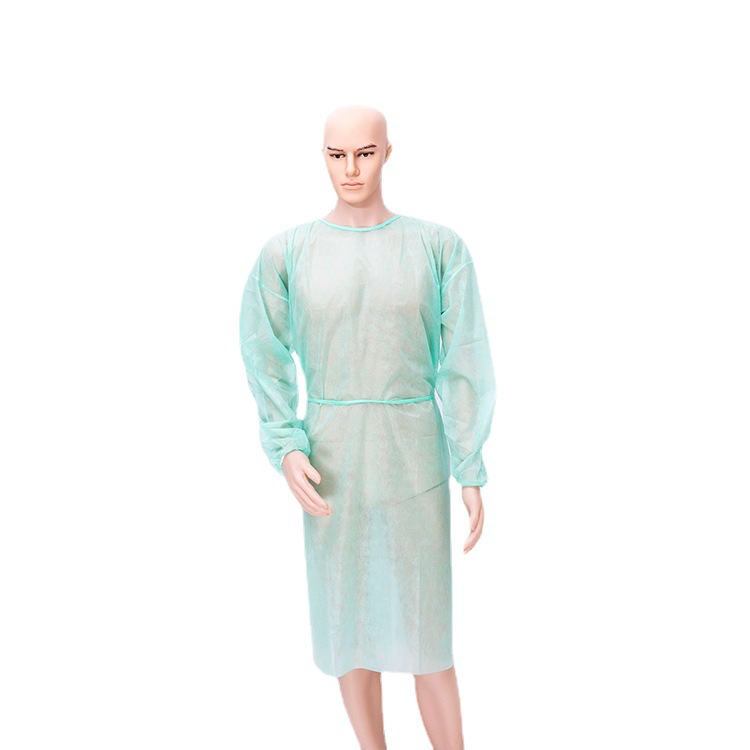
The isolation gown is made from a variety of materials to ensure effective barrier against pathogens and harmful substances. The main materials include:
-
Nonwoven Materials: These are the most commonly used materials for isolation gowns, such as polypropylene (PP) and polyethylene (PE). These materials are lightweight, breathable, and offer good waterproof and barrier properties.
-
Polyester Fiber: Isolation gowns made from polyester fiber have high durability and elasticity, suitable for long-term wear, and also possess certain antimicrobial effects.
-
PVC (Polyvinyl Chloride): Gowns made from PVC have excellent waterproof properties and are often used in laboratory and biosafety-level environments. However, it should be noted that PVC may release harmful substances at high temperatures.
-
Static-Dissipative Materials: In environments where static electricity prevention is required, such as in the pharmaceutical and semiconductor industries, isolation gowns may be made from materials like a mixture of polyester fiber and carbon fiber.
The characteristics of isolation gowns are as follows:
-
Protective Performance: Isolation gowns effectively prevent the entry of bacteria, viruses, and harmful particles, protecting the wearer from contamination.
-
Waterproof and Splash-Proof: Most isolation gowns have waterproof functions, preventing liquid splashes and protecting the inner clothing from contamination.
-
Breathability: Despite the high sealing properties, high-quality materials still ensure good breathability, reducing discomfort for the wearer.
-
Comfort: Modern isolation gowns focus on improving comfort while maintaining protective performance, such as using soft materials and reasonable seam design.
-
Ease of Cleaning and Disinfection: Isolation gowns are usually easy to clean and disinfect, maintaining their hygiene for long-term use.
-
Diverse Design: Depending on different application scenarios, isolation gowns come in a variety of designs, such as long-sleeve, short-sleeve, one-piece, and two-piece, to meet different needs.
The materials and characteristics of isolation gowns are closely integrated to provide comprehensive protection for the wearer, ensuring safety in special environments.
Isolation gown application fields
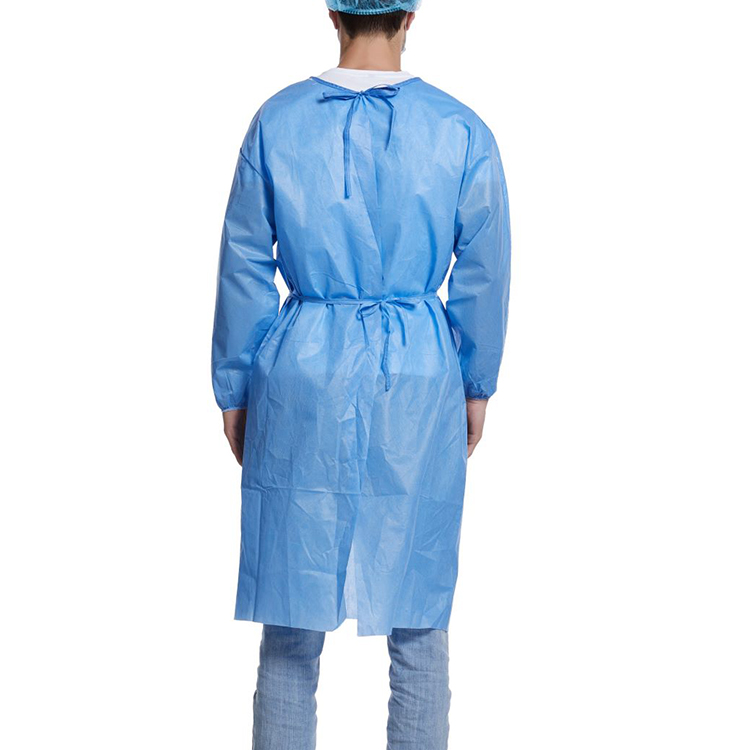
Isolation suits, as an important personal protective equipment, are widely used in the following fields:
-
Health Care Sector: In hospital operating rooms, ICU wards, and other areas, medical staff use isolation suits to prevent the spread of pathogens. Especially during the outbreak of an epidemic, isolation suits act as a “shield” for medical workers in their fight against the virus, protecting them from infection.
-
Research and Development: In biological laboratories, chemical laboratories, and other research institutions, scientists and researchers need to wear isolation suits during potentially dangerous experiments to avoid harm from experimental materials. Additionally, isolation suits are indispensable protective gear in the process of vaccine research and development.
-
Disease Control: During public health emergencies, such as outbreaks of cholera or plague, health workers need to wear isolation suits to enter infected areas for epidemiological investigations and the isolation of patients.
-
Public Safety Sector: Firefighters, police officers, and other public safety personnel can protect themselves from harmful substances during accident responses and rescue operations with the help of isolation suits.
-
Environmental Protection Industry: When dealing with hazardous waste, toxic chemicals, and other environmental issues, workers must wear isolation suits to prevent harm to both the environment and human health.
-
Service Industry: In the food service and hospitality industries, staff may use isolation suits during the handling of food and cleaning agents to prevent cross-contamination and ensure consumer health.
-
Industrial Manufacturing: In the chemical, electronic, and other manufacturing sectors, employees need to wear isolation suits when operating production lines that may produce harmful substances to prevent inhalation or contact with harmful gases, dust, and other particles.
-
Transportation Industry: In the railway, road, and other transportation sectors, certain jobs may require workers to wear isolation suits during maintenance and cleaning work to prevent accidental contact with harmful substances.
-
Agricultural Sector: In agricultural production, such as pesticide application and animal disease prevention, relevant personnel can reduce the harm of pesticides to the human body by wearing isolation suits.
-
Other Fields: In special industries such as archaeological excavations and deep-sea exploration, isolation suits are also important protective gear for workers in harsh environments.
In summary, the application of isolation suits is extensive, covering medical, scientific research, public health, public safety, environmental protection, the service industry, manufacturing, transportation, agriculture, and other fields. They play a significant role in safeguarding the safety and health of workers and the public.
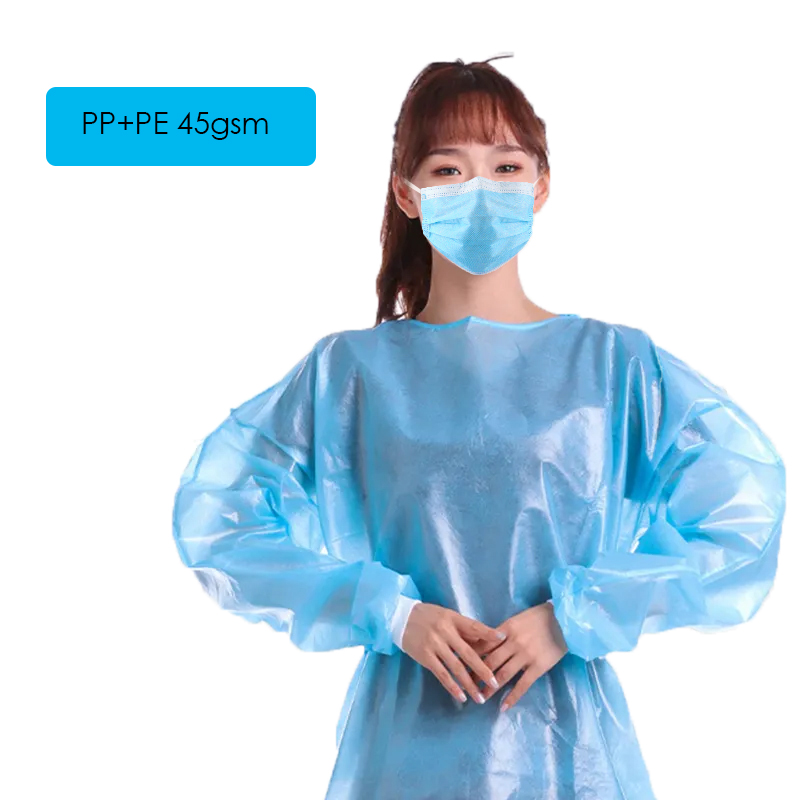
Isolation gown wearing and maintenance
-
Preparation Before Wearing: Before putting on the isolation suit, ensure that your hands are clean and avoid direct contact with your face and nose. Additionally, check the integrity of the isolation suit to ensure there are no tears or contamination before proceeding with the wearing process.
-
Dressing Sequence: Begin by putting on the hat of the isolation suit, ensuring that the edge of the hat is tightly against your head to prevent air from entering. Next, pull the sleeves of the suit over your gloves, making sure the gloves are securely connected to the sleeve openings. Then, pull the bottom of the suit down to your waist and tighten the belt to ensure the clothing is snug against your body, minimizing air flow. Finally, put on the boot covers, ensuring they are securely fastened to your boots.
-
Use of Protective Masks: If the isolation suit is equipped with a protective mask, it should be worn correctly, ensuring that the edges of the mask fit tightly against the face, with no gaps. If a mask needs to be replaced, use a new one to avoid reuse.
-
Maintenance and Cleaning: After using the isolation suit, remove it immediately to prevent contamination of the environment. When removing, avoid touching your face or nose. The cleaning of the suit should be done according to the product instructions, generally using high-temperature steam sterilization or chemical disinfectants. After cleaning, dry or dry the suit and avoid folding it for storage.
-
Storage and Care: After the isolation suit is cleaned and dried, store it in a dry, well-ventilated area, avoiding moisture and direct sunlight. When storing, fold the suit neatly to prevent deformation.
-
Regular Inspection and Replacement: During use, regularly inspect the suit for integrity, and replace it immediately if any damage or contamination is found. Additionally, replace the isolation suit regularly based on the frequency and duration of use to ensure the protective effect.
-
Personal Hygiene: While wearing the isolation suit, pay attention to personal hygiene and avoid touching your face or nose with your hands. If necessary, wash your hands or use a disinfectant before touching.
-
Emergency Response: In case of an emergency while wearing the isolation suit, remove it quickly to prevent environmental contamination. After removing the suit, immediately disinfect yourself and take appropriate measures to ensure your safety.
By following these points for wearing and maintaining the isolation suit, you can effectively ensure the protective effect of the suit, reduce the risk of infection, and safeguard the health and safety of the staff.
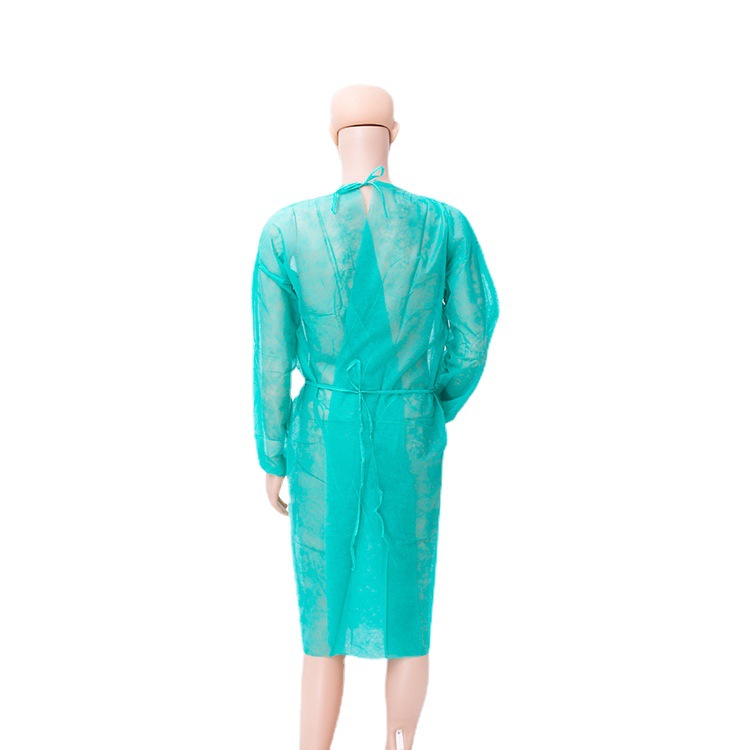
Future development trends of isolation suits
In phrases of materials, isolation fits are generally made from materials which can be resistant to corrosion, high temperature, and feature true breathability, along with polyethylene, polypropylene, and polyester fibers. these substances efficiently block viruses, bacteria, and harmful substances, ensuring the safety of the wearer. In phrases of features, isolation suits have the subsequent factors:
- Moisture Resistance: The fits are manufactured from a multi-layer composite shape, successfully stopping the penetration of liquids, gases, and excellent debris.
- Sealability: The seams of the clothing are tightly sealed to make certain that the wearer is not exposed to external contamination.three. Breathability: even though the suits have accurate sealability, they’re product of breathable materials to make certain comfort for the wearer.four. consolation: considering lengthy-term put on, the layout of the isolation fits specializes in ergonomics to make sure comfort.
- Easiness of cleansing: The substances are easy to smooth, facilitating reuse.
whilst wearing isolation fits, the following factors should be cited:
- wearing sequence: begin with the inner layer, observed by way of the outer layer, to make sure that the seams suit properly.
- wearing Gloves: Gloves should be worn over the internal layer of the suit to prevent infection.three. sporting a shielding masks: The mask must healthy tightly towards the face to save you air from coming into.
- heading off Touching the Face: After sporting the in shape, avoid touching the face with your hands to prevent contamination.
- removing series: whilst disposing of the suit, first put off the outer layer, then the inner layer, to avoid contamination.
whilst maintaining isolation fits, the following points should be considered:
- cleansing: Use a dedicated disinfectant or heat water for cleaning, keeping off using chemical compounds.
- Drying: After cleansing, location them in a well-ventilated area to dry, avoiding direct daylight.three. garage: Fold well to keep away from deformation on the folding factors, and store in a dry, ventilated place.
With the improvement of technology, the future tendencies of isolation suits are as follows:
- Intelligentization: Combining net of things and sensor technology to screen the physiological country of the wearer in real-time.
- Integration of Wearable gadgets: Integrating health monitoring and communication features into the isolation fits.three. software of latest substances: studying and growing lighter, breathable, and antibacterial new materials to enhance comfort.
- personalized Customization: supplying custom designed isolation healthy merchandise in step with the wearer’s desires.