Nurse Cap and Gown: History, Significance, and Care with IT Integration
In the field of nursing, the nurse’s hat and robe are not only essential daily attire but also symbols of the nursing profession’s spirit. This article will delve into the design of nurse’s hats and robes, their role in clinical nursing, and how to effectively maintain and care for them.
The origin and significance of the nurse’s cap and gown
The origin of the nurse’s cap can be traced back to the Middle Ages, when nurses working in hospitals would wear head scarves to maintain personal hygiene and distinguish their professional identity. As the medical field has evolved, the nurse’s cap has gradually developed into the style we are familiar with today. The long robe, on the other hand, originated in 17th-century Europe and was initially designed as protective clothing for medical workers to prevent cross-infection.
The initial purpose of the nurse’s cap was to protect the nurse’s hair from contamination and as a means of identifying their professional status. In an era when disinfection awareness was not widespread, the nurse’s cap served to isolate external pollution and maintain patient health. With the passage of time, the significance of the nurse’s cap has become more profound, symbolizing the purity, professionalism, and care of nurses towards patients.
The design of the nurse’s cap has undergone several transformations. Early nurse’s caps were predominantly white, made from materials such as linen or cotton, simple and plain. With the advancement of technology, the materials and colors of nurse’s caps have become more diverse, with silk and satin fabrics being introduced, and colors ranging from a single white to light blue, light green, and others, symbolizing the vitality and hope of life.
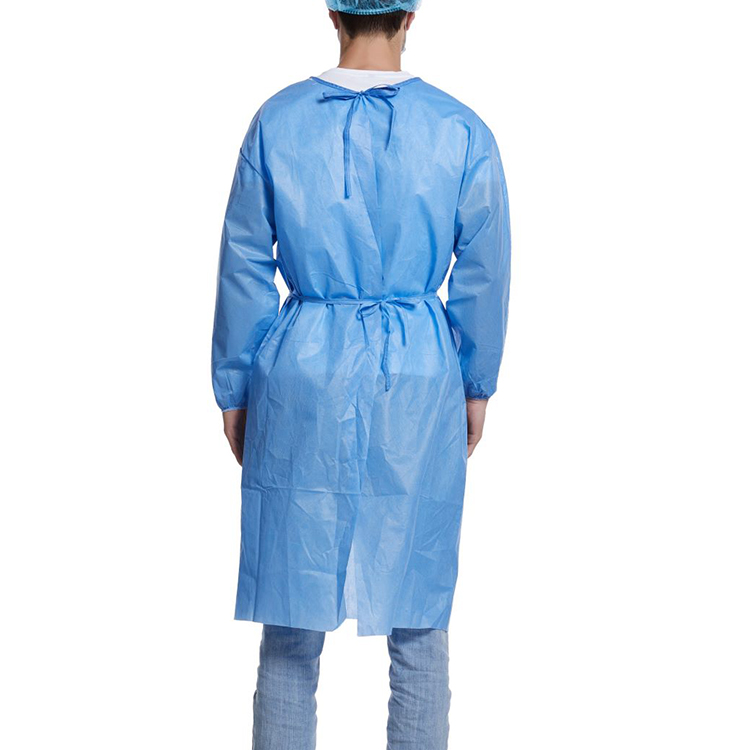
The long robe, as a hallmark of medical workers’ attire, has its origins closely linked to protective needs. Early robes were made of rough materials to prevent sharp objects from cutting the skin. Over time, the design of the robe has become increasingly focused on comfort and practicality, incorporating pocket designs for carrying medical tools. The color and style of the robe have also changed with hospital culture and the trends of the times, evolving from the original white to designs combining white with the hospital’s logo color.
In clinical nursing, the nurse’s cap and long robe not only protect both healthcare workers and patients from cross-infection but also reflect the rigor and standardization of nursing work. The presence of the nurse’s cap and long robe helps healthcare professionals maintain a professional image amidst busy work and also enhances patients’ trust in their caregivers.
The nurse’s cap and long robe, as traditional attire in the medical field, carry deep cultural significance. They are not only symbols of healthcare workers’ identities but also expressions of the nursing spirit. In modern society, the nurse’s cap and long robe still hold onto their core meanings, representing the responsibility, professionalism, and dedication of nursing staff.
With the development of medical technology and the updating of nursing concepts, the nurse’s cap and long robe are also continuously being reformed. Modern nurse’s caps and robes are designed with ergonomics in mind to enhance comfort, and they incorporate more modern elements such as antimicrobial materials and eco-friendly designs to adapt to changing work environments and medical needs.
The origin and significance of the nurse’s cap and long robe are profound. They are not only witnesses to the history of the medical field but also symbols of the professional spirit of healthcare workers. In the future, the nurse’s cap and long robe will continue to carry their value and contribute to the medical cause.
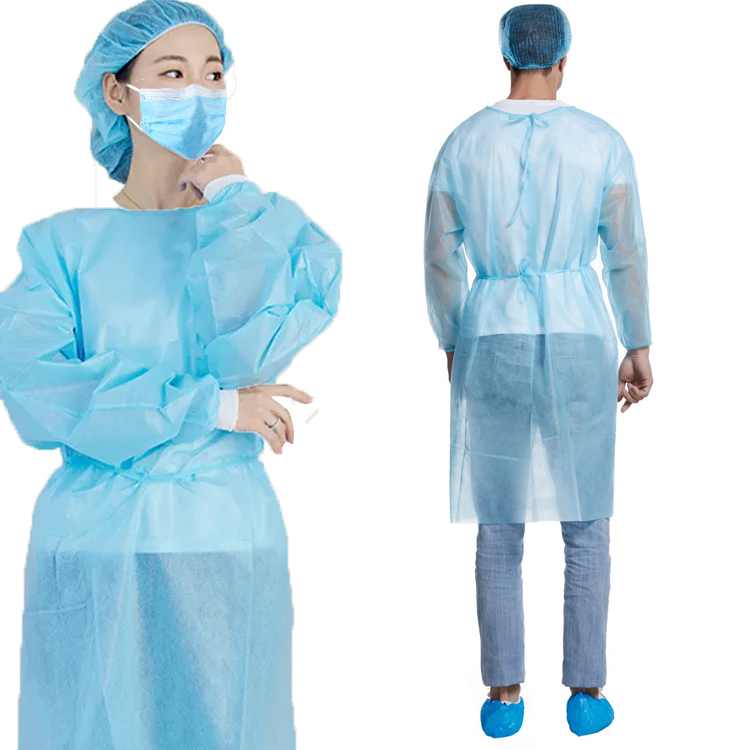
Nurse caps and long robes have distinctive styles and design features.
The nurse’s hat, with its simple circular silhouette, hides the solemnity and sanctity of the nursing profession. This hat is typically made of white cotton material, adorned with delicate lace or bows at the edge, which are both aesthetic and practical. The nurse’s gown is a long, floor-length white dress, with wide sleeves and skirt designs that facilitate movement while also embodying the dignity of the nurse’s image.
The top design of the nurse’s hat is usually circular, symbolizing the purity and professionalism of the nurse. The brim is often slightly rolled, and some may have the hospital’s logo or text embroidered on the edge to signify identity and affiliation. The color of the hat is predominantly white, signifying the spotlessness of nursing work.
The styles of the nurse’s gown are varied, but they generally adhere to the principles of looseness and comfort. The front of the gown usually features symmetrical pockets for convenient storage of medical supplies. The sleeve design is generous, allowing for ease in daily nursing operations and easy disinfection when necessary. The skirt length typically covers the ground to ensure that the nurse maintains a tidy appearance while walking or performing procedures.
In terms of detail design, the nurse’s hat and gown also have many considerations. For example, the neckline of the gown is usually round or square, and some may add lace decorations at the neckline for a touch of femininity. Additionally, the waist design of the gown may include a cinched waist, which not only conforms to ergonomics but also highlights the nurse’s figure.
With the development of the times, the design of nurse’s hats and gowns is also constantly innovating. Modern nurse’s hats come in a variety of styles, including square, wavy, and more. The material of the gowns has also become more diverse, with options like linen and flax in addition to cotton, placing a greater emphasis on comfort and breathability. In some special occasions, the design of nurse’s hats and gowns may incorporate more personalized elements, such as color and patterns, to adapt to different hospital cultures and festive atmospheres.
The design features of the nurse’s hat and gown are not only reflected in their appearance but also in their practicality. For instance, the soft material of the nurse’s hat is not easily fallen off, allowing nurses to maintain focus during tense work. The scientifically designed pockets of the gown are convenient for carrying common items. Moreover, the color of the nurse’s hat and gown, predominantly white, is easy to clean and maintains a good hygienic condition.
The styles and design features of the nurse’s hat and gown not only reflect the traditional spirit of the nursing profession but also blend modern aesthetics and practical needs. They are a symbol of the identity of nursing professionals and a visual marker in the medical environment.
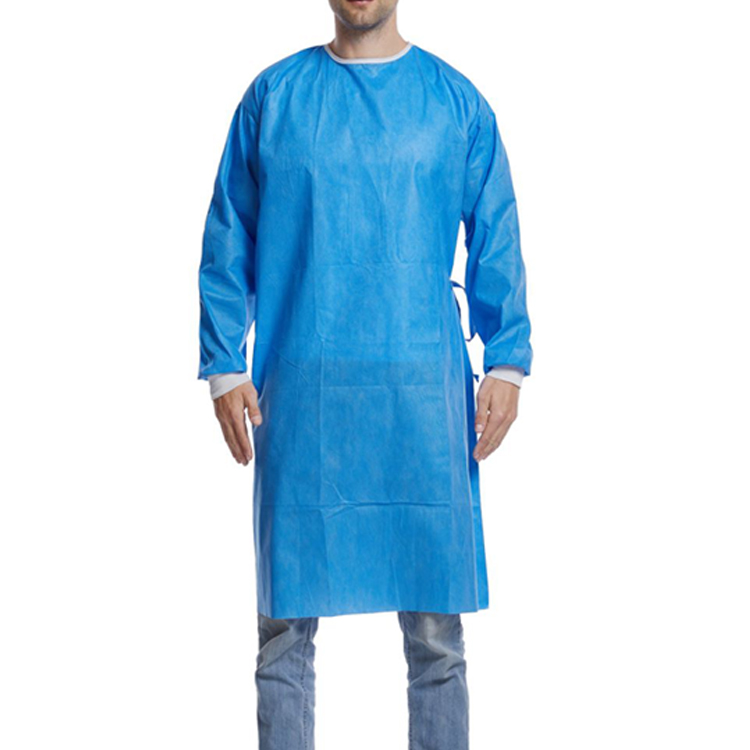
Nurse caps and long robes in the role of clinical nursing.
The nurse’s cap and long gown, as traditional symbols of the nursing profession, not only play a practical role in clinical nursing but also embody the seriousness and solemnity of the nursing profession. Below is a detailed description of their specific functions:
-
Identification and Sense of Belonging: The design of the nurse’s cap and gown helps patients and visitors quickly identify healthcare professionals. The style and color of the cap often match the logo of the hospital or nursing school, while the uniform style of the gown reinforces the sense of belonging to the nursing profession.
-
Protection Function: In the clinical environment, the nurse’s cap protects the nurse’s hair from directly contacting the patient’s bed or medical equipment, reducing the risk of cross-infection. The gown covers the nurse’s entire body, providing additional protection, especially during sterile procedures, which can prevent bacteria or viruses from spreading through clothing.
-
Convenience of Operation: The loose design of the nurse’s gown facilitates movement for the nurse during busy work, whether walking, squatting, or bending, maintaining comfort and flexibility. Moreover, the pocket design of the gown allows for convenient storage of various nursing tools and medications.
-
Medical Safety: The material of the gown usually has antibacterial properties, effectively blocking some airborne pathogens. Additionally, the nurse’s cap prevents hair from falling out or loose hair from entering the patient’s field of vision, reducing potential interference for patients.
-
Mental Appearance: Wearing the nurse’s cap and gown helps shape the professional image of nursing staff, enhancing their mental appearance in their work. A tidy appearance can enhance patients’ trust and has a positive impact on maintaining the doctor-patient relationship.
-
Warmth and Comfort: In cold seasons, the nurse’s gown provides warmth, protecting the nurse from the cold. At the same time, the soft and comfortable material of the gown helps reduce fatigue for the nurse during long periods of standing or working.
-
Response to Emergency Situations: In emergency medical rescue, the quick donning of the nurse’s cap and gown helps the nurse quickly enter a working state, improving the efficiency of responding to sudden situations.
-
Medication Management: In clinical nursing, nurses need to frequently use medications. The pocket design of the gown allows for safe storage of small bags of medications, facilitating quick access.
Through these functions, the nurse’s cap and gown not only become important tools in nursing work but are also a part of nursing culture, carrying the responsibility and honor of nursing staff.
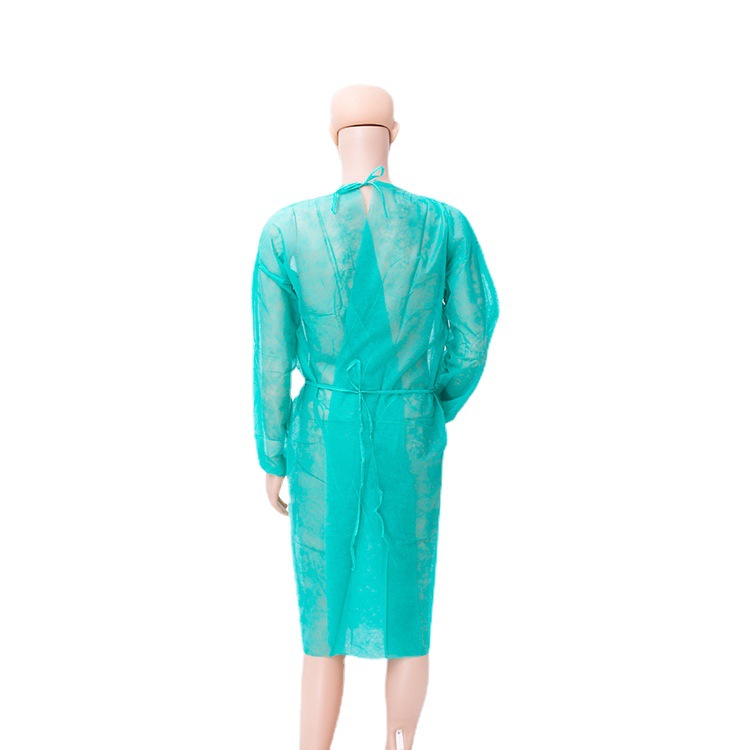
Nurse caps and long robes cultural symbolism and professional image
Nurse caps and long robes serve as iconic attire in the nursing profession, carrying profound cultural connotations and a professional image. Below is a detailed description of their symbolic meanings:
The nurse cap, with its simple white color and round design, symbolizes purity and cleanliness. White represents the care and selfless dedication of nurses to their patients, while the round shape signifies the comprehensive care and boundless concern provided by nurses. The edges of the nurse cap often feature a white fine trim, which not only enhances the aesthetics of the hat but also symbolizes the meticulous work attitude and attention to detail of nurses.
The long robe, with its long and loose fit, showcases the solemnity and authority of nursing work. The fabric of the robe is typically white or light blue, with white symbolizing purity and sanctity, and light blue resonating with the tranquility and relaxation of the medical environment. The loose design of the robe not only facilitates the movement of nurses during clinical work but also reflects the inclusivity and service orientation of the nursing profession.
Together, the nurse cap and long robe form the overall image of nursing personnel, which has several symbolic meanings:
-
Professionalism: The nurse cap and long robe are symbols of the professional identity of nurses, reminding the outside world that the wearer is a professional nurse with the ability and responsibility to handle medical care issues.
-
Sacredness: The white nurse caps and robes convey a sense of sanctity, symbolizing the nobility and sacredness of nursing work, making patients feel respected and cared for.
-
Purity: The white design of the nurse cap and robe represents the purity and innocence of nurses, reflecting the nursing profession’s protection of patient privacy and adherence to professional ethics.
-
Trust: The unified attire of the nurse cap and robe enhances patients’ trust in nursing personnel, helping to establish a good doctor-patient relationship.
-
Team Spirit: In clinical nursing, the unified attire of the nurse cap and robe also embodies the spirit of teamwork, allowing patients to feel order and stability in the face of complex and changing medical environments.
-
Social Responsibility: The nurse cap and robe are not only a representation of personal image but also a symbol of the nursing profession’s responsibility to public health, highlighting the professional mission and social commitment of nurses.
The nurse cap and long robe play a significant role in cultural symbolism and professional image, serving not only as part of nursing work but also as an embodiment of the spirit of the nursing profession.
Points for Maintenance and Care of Nurse Caps and Gowns
Nurses’ caps and gowns are iconic attire for healthcare professionals, and their maintenance and care are crucial. Here are some key points for their upkeep:
-
Regular Cleaning: It is important to regularly clean nurse caps and gowns to remove sweat, stains, and bacteria. They should typically be hand washed with mild detergent and cold water, avoiding high heat drying or harsh chemicals to prevent damage to the material.
-
Avoid Direct Sunlight: Extended exposure to sunlight can lead to color fading and material aging in nurse caps and gowns. Therefore, after washing, they should be dried in a cool, well-ventilated area, away from direct sunlight.
-
Proper Folding: When storing, avoid folding nurse caps and gowns too tightly to prevent permanent creases. The correct method is to lay the gown flat with the hat brim facing down to prevent deformation of the hat.
-
Use Anti-creasing Clothing Bags: To prevent creases, the cleaned and dried nurse caps and gowns can be stored in anti-creasing clothing bags, which help maintain their shape.
-
Regular Inspection: Periodically check the threads and seams of nurse caps and gowns. If any fraying or damage is found, it should be mended promptly to prevent further deterioration.
-
Avoid Contact with Sharp Objects: During wearing and storage, avoid contact with sharp items to prevent scratches or damage to the nurse caps and gowns.
-
Timely Replacement: As nurse caps and gowns can wear with use, they should be replaced promptly when there are obvious signs of damage or irreversible stains to maintain a professional appearance in nursing work.
-
Professional Care: For special materials such as silk or wool, nurse caps and gowns should be cleaned and maintained according to the care instructions on the product label.
-
Keep Dry: In humid environments, nurse caps and gowns are prone to mold, so they should be kept dry and stored away from moisture.
-
Avoid Long-Term Storage: If not in use for a long time, nurse caps and gowns should be stored properly to avoid piling up for extended periods, which can affect the material and shape.
By following these maintenance tips, the lifespan of nurse caps and gowns can be effectively extended, keeping them in good appearance and hygiene, and also showcasing the professional image of nursing staff.