Disposable Black Shoe Covers: It’s Q & X for Environmental Performance and Versatility
In daily life, shoe covers serve as a convenient protective product and are widely used in various situations. This article will delve into the environmental performance of shoe covers, analyzing their value and significance in the field of environmental protection.
Shoe Cover Product Overview
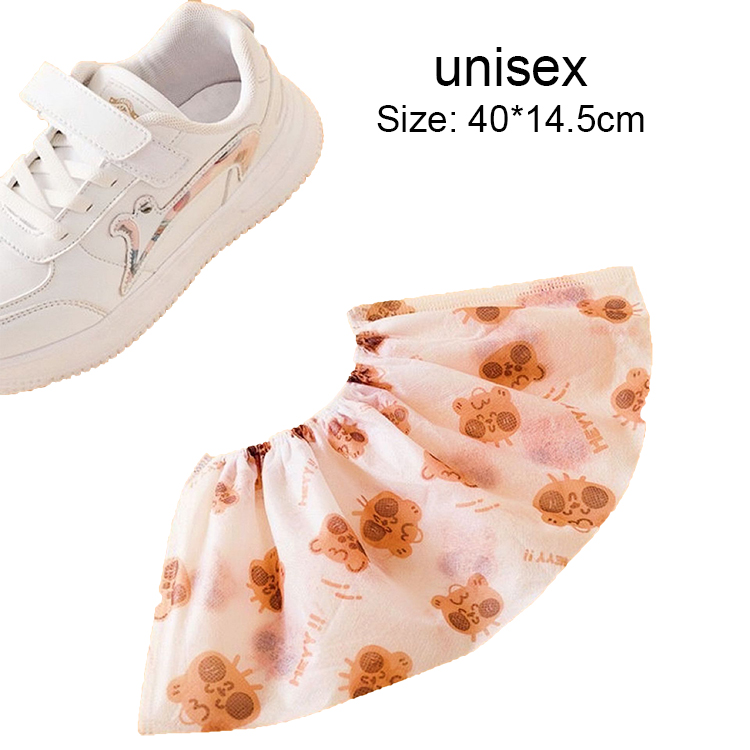
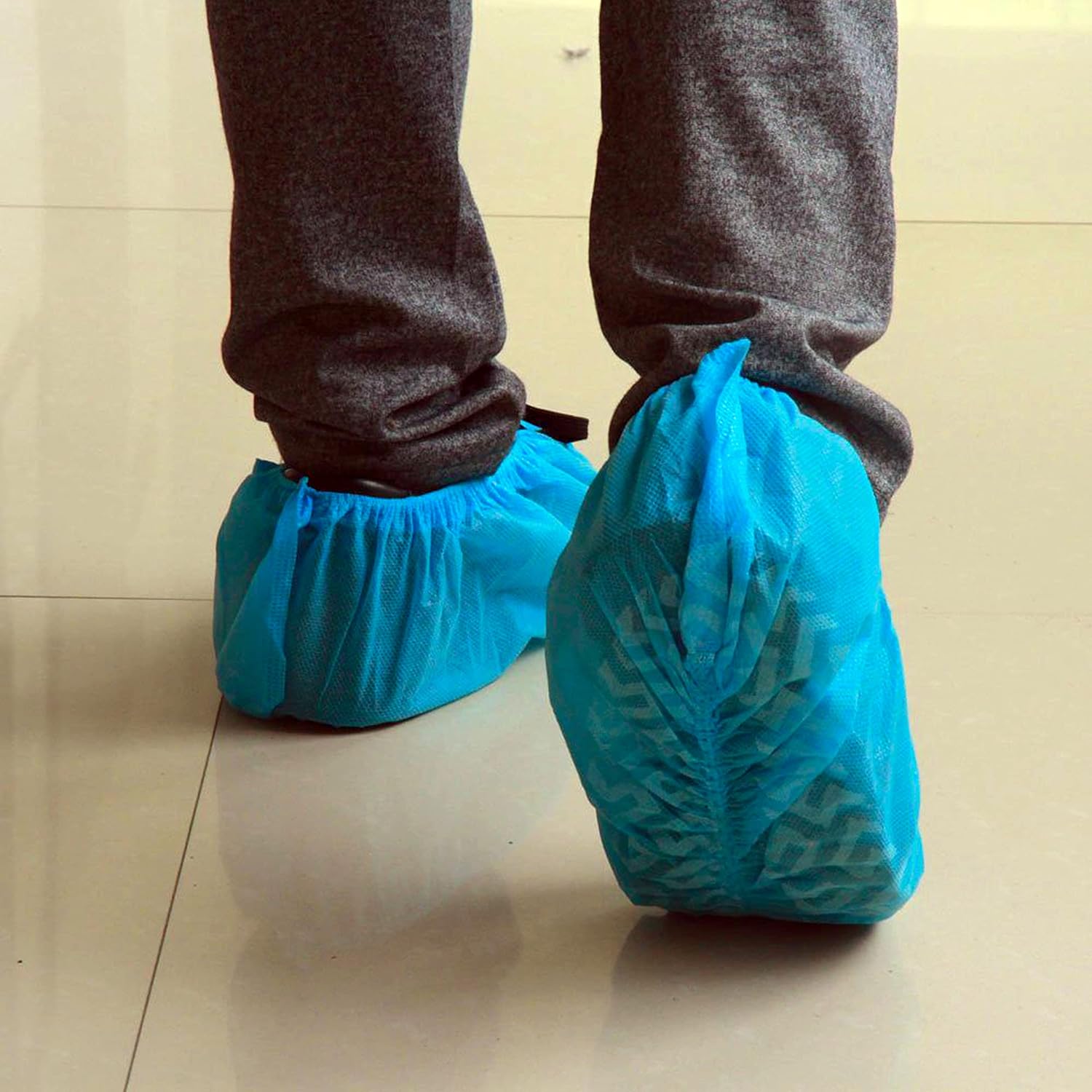
Shoe covers, as a type of temporary protective gear, are widely used in various settings such as hospitals, food processing facilities, and construction sites. They are typically made from materials like plastic, non-woven fabric, or other lightweight materials, designed to provide convenient foot protection for the wearer. Below is an overview of shoe cover products:
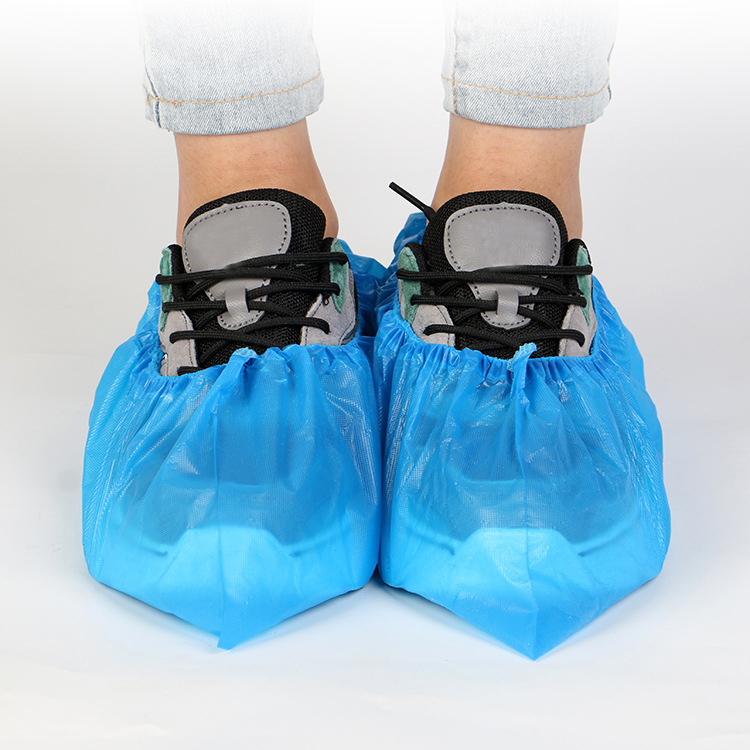
The design of shoe covers is usually simple, easy to put on and take off. They feature anti-slip textures on the bottom to ensure stability when walking. In terms of material selection, shoe covers can be waterproof, oil-resistant, dust-proof, or antibacterial to meet the needs of different environments.
There is a variety of sizes available in the market to accommodate different foot shapes. Most shoe covers are disposable, allowing for easy disposal after specific work or activities, thereby reducing the risk of cross-contamination. Additionally, some shoe cover products are reusable, and can be extended in their lifespan through simple cleaning and drying.
Shoe covers have the following protective features:
- Anti-pollution: They effectively isolate ground stains, keeping the wearer’s shoes and clothing clean.
- Antimicrobial: Some shoe covers are made from antimicrobial materials, reducing the spread of bacteria and viruses.
- Waterproof: For situations where water intrusion needs to be prevented, such as kitchen operations or rainy and snowy weather, waterproof shoe covers are an ideal choice.
- Dust-proof: In dusty environments, shoe covers can block dust, reducing indoor pollution.
In terms of style, shoe covers come in two types: short and long sleeves. Short sleeve shoe covers are suitable for indoor or light outdoor activities, while long sleeve shoe covers are more appropriate for outdoor work or scenarios requiring higher levels of protection. Moreover, some specially designed shoe covers, such as those with ankle support, provide additional comfort for those who stand or walk for extended periods.
With the increasing awareness of environmental protection, biodegradable shoe cover materials are gaining attention. These shoe covers can decompose more quickly in the natural environment, reducing the burden on the environment. At the same time, some brands have launched recyclable shoe covers, encouraging consumers to recycle them after use, further promoting the recycling of resources.
In summary, shoe covers, as a convenient protective product, have been widely applied in many fields due to their practicality and versatility. As technology continues to advance and consumer demands diversify, shoe cover products will continue to innovate in terms of materials, design, and functionality to meet the needs of different users.
Usability Analysis
The disposable black shoe covers have demonstrated their wide applicability in various fields. The following is a detailed analysis of their usability:
-
Dust Protection: In industrial production, construction sites, and electronic assembly, dust and fine particles are common sources of contamination. The use of disposable black shoe covers can effectively isolate ground dust, protect employees from dust intrusion, and maintain the cleanliness of the work environment.
-
Healthcare Hygiene: In the medical industry, medical staff need to wear shoe covers when interacting with patients or performing surgical procedures to prevent cross-infection. The materials of black shoe covers usually have good antibacterial properties, ensuring the hygiene and safety of the medical environment.
-
Waterproof and Stain Resistance: During rainy seasons or in damp environments, the waterproof and stain-resistant function of black shoe covers can protect the wearer’s shoes from getting wet and prevent ground stains from soiling clothing.
-
Temporary Sole Protection: When it is necessary to temporarily protect the original soles of shoes, such as visiting construction sites or museums, black shoe covers can serve as a protective measure, avoiding sole wear or contamination.
-
Temporary Shoe Change Needs: In public places like shopping malls or cinemas, customers may need to change shoes due to dirty floors or other reasons, and black shoe covers provide a convenient temporary solution.
-
Personalization Needs: Black shoe covers, with their simple design, are easy to match with various clothing, satisfying consumers’ demand for personalized attire.
-
Cost-Effectiveness: As a disposable product, black shoe covers are cost-effective and easy to purchase in bulk, making them particularly suitable for businesses and individuals sensitive to costs.
-
Environmental Considerations: Although disposable, black shoe covers are made of biodegradable materials, helping to reduce the environmental impact.
-
Easy to Use: The shoe covers are designed simply and can be quickly worn without special tools, making the operation simple and saving time.
-
Versatility: Black shoe covers are suitable for different industries and scenarios, from indoors to outdoors, from daily life to special occasions, demonstrating a wide range of applicability.
Through the above analysis, it can be seen that disposable black shoe covers have extremely high usability, meeting the needs of different users in various scenarios.
Color Selection: Advantages of Black Shoe Covers
Black shoe covers exhibit significant advantages in multiple aspects due to their unique color characteristics:
-
Hide Stains: Black shoe covers effectively conceal any dirt on the soles, whether it’s mud, oil, or water, providing a good visual cover and maintaining the neat appearance of the shoes.
-
Versatility: Black is a very neutral color that suits various occasions and clothing styles. Whether it’s a formal business meeting or daily leisure activities, black shoe covers can harmonize with a wide range of fashion choices.
-
Discreetness: In situations where discretion is needed or when avoiding attention is preferable, black shoe covers offer good concealment, allowing the wearer to not worry about the wear or dirt on the shoes attracting unnecessary attention.
-
Stain Resistance and Easy Cleaning: The surface of black shoe covers is not easily stained, and even if they accumulate dust, it is hard to notice. Additionally, black shoe covers are relatively easy to clean, requiring only a damp cloth to wipe them down.
-
Image Enhancement: In certain industries such as catering and healthcare, black shoe covers can enhance the professional image of workers, leaving a positive impression of good service.
-
Cost Savings: Black shoe covers, due to their single color, have a relatively lower production cost, which can save procurement costs for enterprises or institutions that need to purchase them in large quantities.
-
Environmental Awareness: Black shoe covers are often made from biodegradable materials, contributing to the reduction of environmental pollution and aligning with modern environmental protection principles.
-
Adaptability: Black shoe covers are not restricted by seasons or climates, providing a comfortable wearing experience year-round, whether it’s the hot summer or the cold winter.
-
Anti-Slip Performance: Some black shoe covers are made from special materials that offer good anti-slip properties, providing stable traction even on slippery surfaces.
-
Convenience: Black shoe covers are compact and lightweight, making them easy to carry and store, suitable for those who frequently move or travel.
In summary, black shoe covers demonstrate clear advantages in terms of practicality, aesthetics, environmental friendliness, and economy, making them a preferred choice for many consumers and industry users.
Please provide the application scenarios.
-
Manufacturing Industry: In industries that require a clean environment such as precision manufacturing and electronic assembly, employees wearing black shoe covers can effectively prevent dust and particles from the soles of their shoes from contaminating the work area, ensuring product quality.
-
Healthcare: In hospitals, clinics, and laboratories, medical staff wearing black shoe covers can prevent cross-contamination, protecting both patients and their own health. The simple design of the black shoe covers also aligns with the seriousness of the medical environment.
-
Food Processing: In the food processing industry, such as meat processing and pastry making, the use of black shoe covers can prevent bacteria and impurities from the ground from contaminating food, ensuring food safety.
-
Construction Sites: On construction sites, due to the complex environment, the ground may be covered in oil, mud, and sand. Black shoe covers not only protect the ground from contamination but also prevent workers from bringing dirt from their shoes into the indoor areas.
-
Home Cleaning: During home cleaning tasks like floor waxing or furniture cleaning, wearing black shoe covers can protect the floor from wear and tear by the soles, as well as prevent cleaning agents from splashing onto the shoes.
-
Warehouse and Logistics: In warehouses and logistics centers, the use of black shoe covers helps maintain a clean environment and protects the ground from wear by heavy vehicles and handling equipment.
-
Electronic Product Repair: When repairing electronic products, wearing black shoe covers can prevent static electricity from damaging electronic components, ensuring the accuracy and safety of the repair work.
-
Public Places: In public venues such as cinemas and theaters, viewers wearing black shoe covers can prevent noise from the soles of their shoes from disturbing others, as well as reduce wear on the seats.
-
Emergency Rescue: At rescue sites, rescue personnel wearing black shoe covers can prevent dirt like mud from damaging rescue equipment, while also keeping the rescue site clean.
-
Educational Institutions: In schools and libraries, students and teachers wearing black shoe covers can reduce damage to teaching facilities and maintain a clean learning environment.
The above application scenarios show that black shoe covers, due to their good practicality and adaptability, play an important role in various industries and environments.

Environmental Performance
-
Material Selection: Eco-friendly shoe covers are typically made from biodegradable or recyclable materials such as polylactic acid (PLA), polylactic-co-caprolactone (PLA-CL), and recycled materials like polyethylene (PE). These materials have a lower carbon footprint compared to traditional petrochemical plastics.
-
Reduction of Waste: Reusable shoe cover designs reduce the amount of waste generated after single-use. For disposable shoe covers, choosing biodegradable materials ensures that they do not cause long-term environmental pollution upon disposal.
-
Energy Reduction: The use of eco-friendly materials in the production of shoe covers can reduce energy consumption. For instance, the production of bioplastics requires less heat and chemicals compared to traditional plastics.
-
Reduction of Chemical Use: Eco-friendly shoe covers avoid or minimize the use of harmful chemicals during production, reducing the impact on the health of producers and consumers.
-
Processing and Recycling: After use, shoe covers made from eco-friendly materials can simplify the disposal process, making them easier to recycle or decompose. For example, PLA shoe covers can decompose in composting conditions within a short period of time.
-
Sustainability: The production of eco-friendly shoe covers considers the entire lifecycle, from the collection of raw materials, processing, to the final use and disposal, aiming to minimize environmental impact.
-
Compliance with Regulations: The production of eco-friendly shoe covers adheres to international and domestic environmental regulations, ensuring that the products are legally sold on the market.
-
Raising Consumer Awareness: With the increasing environmental awareness among consumers, choosing eco-friendly shoe covers not only protects personal health but also demonstrates a sense of responsibility towards the environment.
-
Reduction of Soil Pollution: Traditional plastic shoe covers decompose slowly in soil, potentially causing soil pollution. Eco-friendly shoe covers decompose without producing harmful substances, reducing soil pollution.
-
Extended Product Lifespan: Some eco-friendly shoe covers are designed for durability, allowing for multiple uses and thus reducing the environmental burden caused by frequent replacements.
Through these measures, eco-friendly shoe covers play a significant role in protecting the environment, reducing resource consumption, and lowering health risks. As technology advances and consumer environmental awareness grows, the application of such shoe covers will become more widespread.
To carefully check the translated content so that no simplified Chinese appears.
Black shoe covers have stood out among various protective products due to their unique environmental performance and wide range of applications. The following is a detailed description of their environmental performance:
-
Low Resource Consumption: Compared to shoe covers made from other materials, black shoe covers are typically made from recyclable materials such as polyethylene (PE) or polypropylene (PP), which require less energy and resources during production.
-
Fast Degradation: Unlike certain non-biodegradable plastic products, black shoe covers are more easily decomposed in the natural environment. Under appropriate conditions, these shoe covers can be broken down by microorganisms within a few months, reducing their environmental impact.
-
Reduction of Plastic Pollution: Due to their durability and reusability, users of black shoe covers can reduce the use of single-use plastic shoe covers, thereby lowering the generation of plastic waste and protecting marine and terrestrial ecosystems.
-
Reusability Reduces Waste: Designed for easy cleaning and disinfection, black shoe covers can maintain their protective function after multiple uses, significantly reducing resource waste caused by frequent replacements.
-
Optimized Supply Chain: The production and distribution process of environmentally friendly black shoe covers focus on reducing carbon emissions, optimizing logistics, and reducing packaging materials to lower the entire supply chain’s carbon footprint.
-
Alignment with Sustainable Development Ideals: The environmental performance of black shoe covers is in line with the global trend of sustainable development, helping to promote enterprises and consumers to pay more attention to environmental issues.
-
Policy Support: Many countries and regions are promoting the research and application of environmentally friendly products, and black shoe covers, as an environmentally friendly product, have received policy support and encouragement.
-
Enhanced User Awareness: With the increasing awareness of environmental protection, more and more consumers are choosing environmentally friendly products. Black shoe covers, due to their environmental performance, are gaining popularity and helping to raise consumer awareness of environmentally friendly products.
In summary, black shoe covers excel in environmental performance, not only helping to protect the environment but also aligning with the long-term needs of social development. In the current global consensus on environmental protection, the environmental performance of black shoe covers is expected to become a key factor in their market competitiveness.