Understanding Anti-Static Fabric: Meaning, Uses, and Future Trends
With the increasing occurrence of electronic gadgets and precision contraptions today, the difficulty of static energy on material surfaces has grow to be increasingly extensive. Antistatic fabrics, as substances that may effectively save you static buildup, are of paramount importance. this newsletter will speak the overall performance characteristics of antistatic fabric, their utility fields in diverse industries, and also analyze the tendencies and challenges in the development of antistatic fabric.
Anti-static Fabric Overview
Anti-static fabrics, as the name implies, are textiles that effectively resist the accumulation of static electricity. They are widely used in various fields such as electronics, precision instruments, healthcare, and home goods, with their importance lying in reducing the damage caused by static electricity to items or the human body.
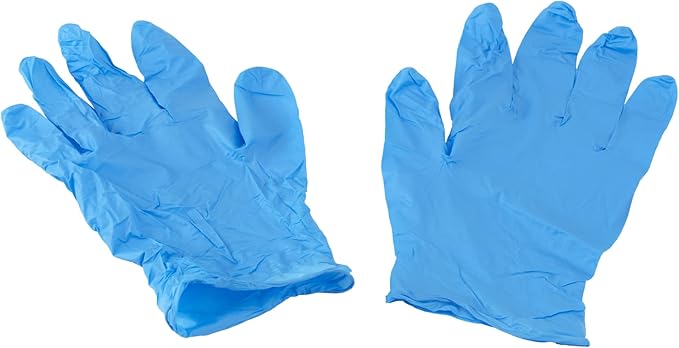
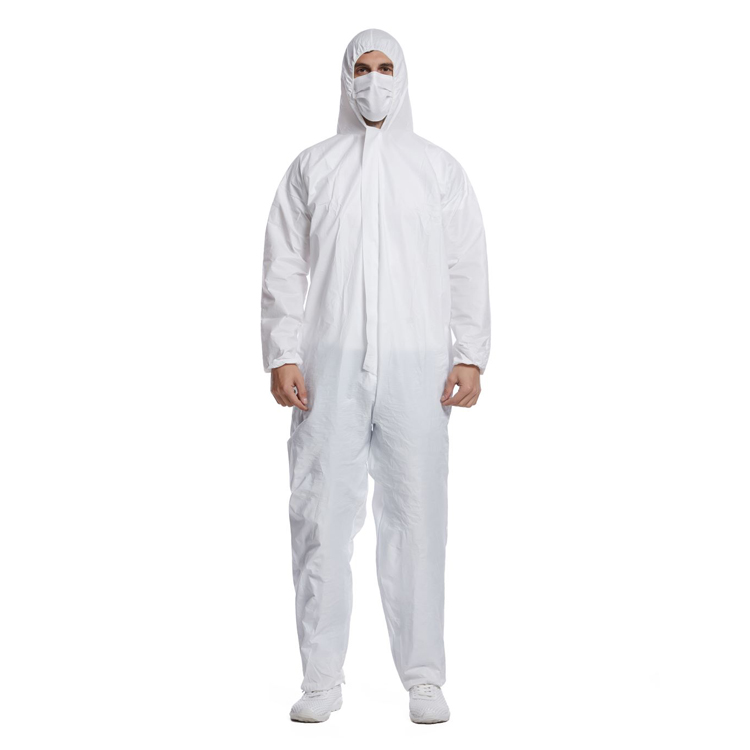
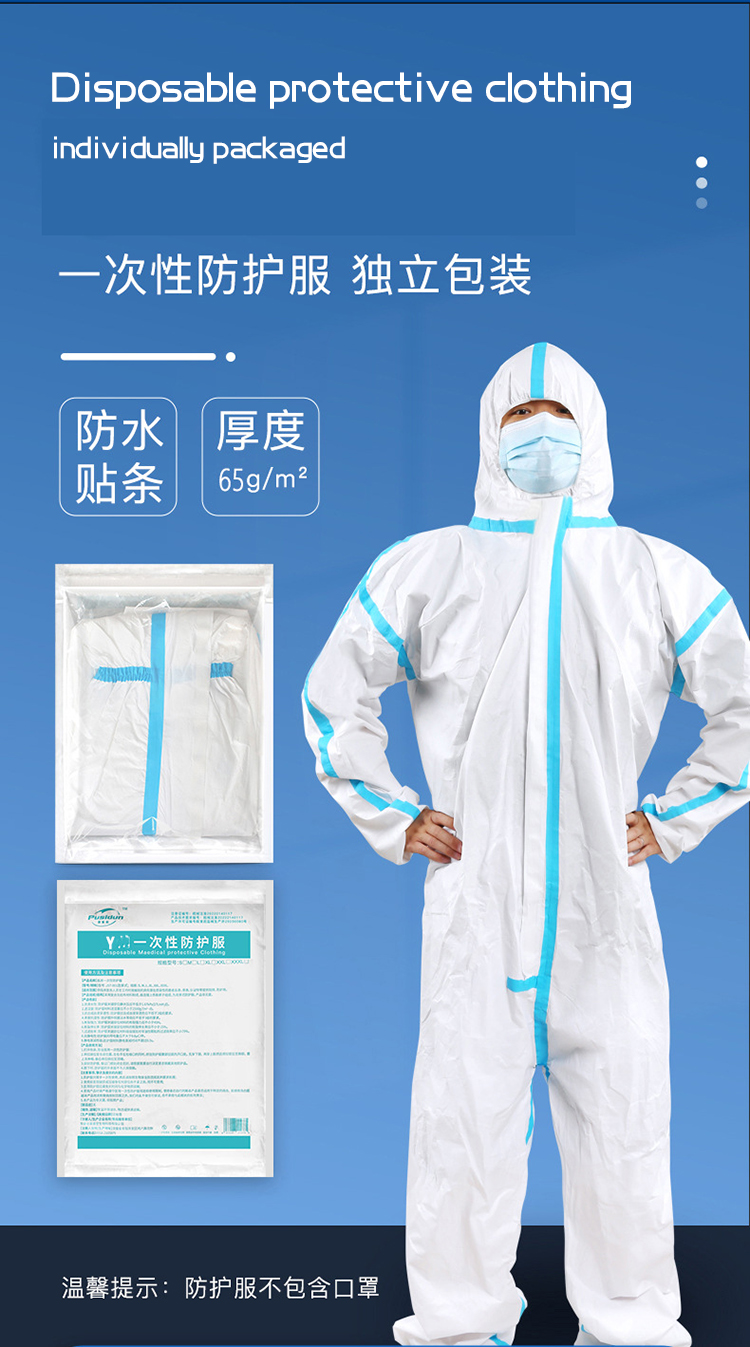
In the electronics industry, anti-static fabrics are commonly used to manufacture protective clothing such as anti-static workwear and gloves, to protect operators from static hazards and prevent damage to sensitive electronic components. Their anti-static properties are typically achieved by adding specific anti-static agents or using special fiber materials.
The principle of anti-static fabrics is mainly based on reducing the frictional charging on the fiber surface. By introducing anti-static agents such as polydimethylsiloxane and polyethylene glycol into the fibers, the free energy of the fiber surface can be reduced, thereby minimizing the generation of static electricity. Additionally, some fabrics provide a path for static discharge by altering the arrangement or structure of the fibers, such as blending with conductive or metallic fibers, allowing static electricity to be quickly released.
In terms of performance characteristics, anti-static fabrics have the following aspects:
- Fast static discharge: Capable of quickly releasing static electricity from the fabric surface to the surrounding environment, reducing static accumulation.
- Low static accumulation: Under normal use conditions, it is not easy to produce a large amount of static electricity, reducing static hazards.
- Durability: The anti-static properties are not easily reduced by washing, wear, and other factors, and have a longer service life.
- Safety and environmental protection: The anti-static agents are usually environmentally friendly materials, harmless to humans and the environment.
In terms of industry applications, anti-static fabrics have been widely used in the following scenarios:
- Electronics manufacturing: Protective clothing such as anti-static workwear and gloves, to protect electronic components and operators.
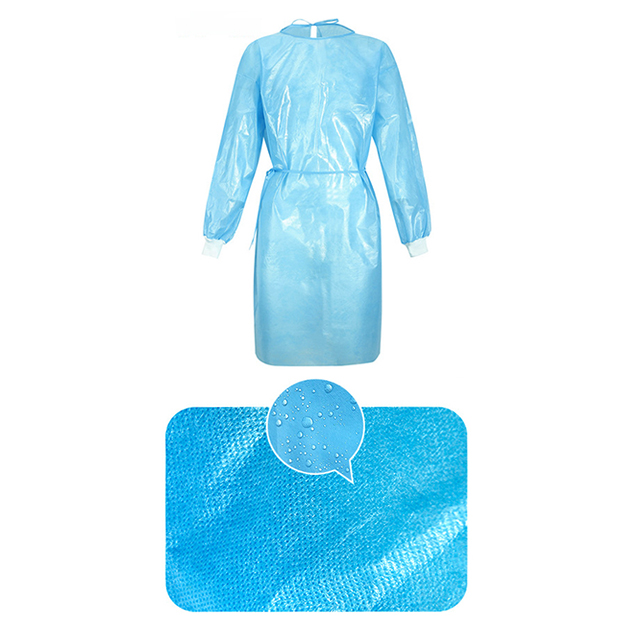
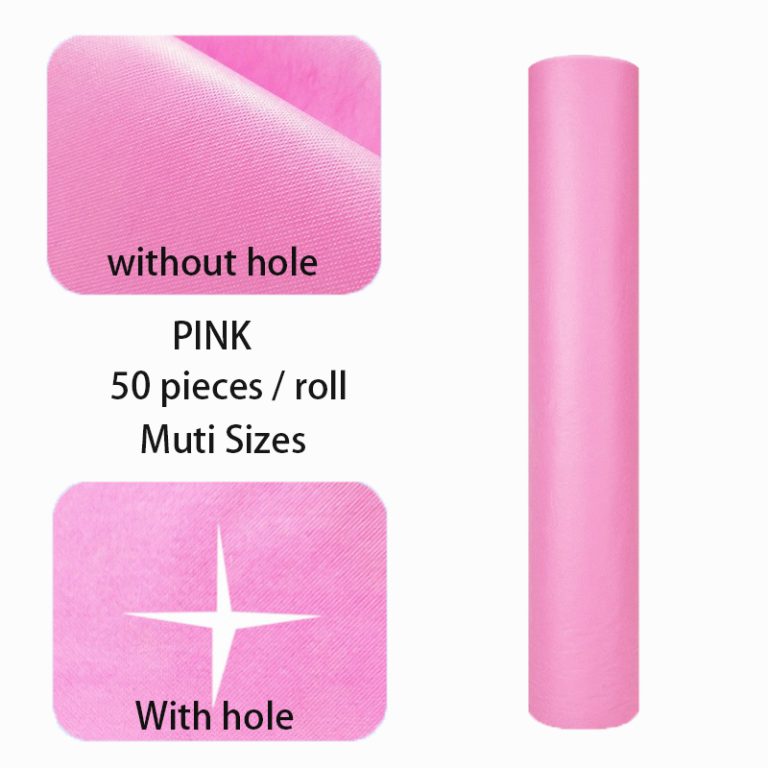
- Medical industry: Surgical gowns, bedding, etc., to prevent static interference with sensitive medical equipment.
- Home goods: Bedding, curtains, etc., to improve the home environment and reduce disturbances caused by static electricity.
- Transportation and logistics: Packaging materials, handling tools, etc., to reduce damage to goods or equipment from static electricity.
With the continuous advancement of technology, the development trend of anti-static fabrics is also becoming increasingly evident:
- Enhanced functionality: Anti-static fabrics will be combined with other functional materials such as fire-retardant, waterproof, and antibacterial to meet more application needs.
- Green and environmental protection: Development of environmentally friendly anti-static agents and biodegradable fibers to reduce environmental impact.
- Personalized customization: Providing customized anti-static fabric solutions based on different industry and user needs.
However, anti-static fabrics also face some challenges in their development, such as:
- Environmental friendliness of anti-static agents: Traditional anti-static agents may pollute the environment, and it is necessary to develop more environmentally friendly substitutes.
- Performance stability: How to ensure anti-static properties while improving the comfort and durability of the fabric.
- Cost control: Improving the cost-performance of anti-static fabrics to make them more competitive in the market.
In summary, anti-static fabrics play a vital role in various fields, and their future development will pay more attention to environmental protection, performance, and cost control.
Definition and Significance of Antistatic Fabrics
Anti-static fabric, as the name implies, refers to a material that can effectively reduce or eliminate static charge accumulation. This fabric is designed with specific chemical components or physical structures to make its surface charges difficult to accumulate, thereby reducing the generation of static electricity. Below is a detailed description of the definition and significance of anti-static fabric:
-
The Generation and Hazards of Static ElectricityStatic electricity is an electrical phenomenon caused by uneven charge distribution on the surface of objects. In daily life and industrial production, the generation of static electricity is often unavoidable, such as through friction, contact, and separation. Static accumulation can lead to equipment malfunctions, fire hazards, reduced product quality, and discomfort to the human body.
-
Composition of Anti-static FabricAnti-static fabric typically achieves its properties through special chemical treatments or the addition of conductive fibers. Chemical treatment methods include the use of anti-static agents, such as silicon oil, polyethylene glycol, etc., which can alter the surface properties of the fibers, reduce surface resistance, and allow charges to leak more easily. The addition of conductive fibers involves uniformly dispersing metal or conductive polymer fibers within the fabric to form a conductive network.
-
Performance Characteristics of Anti-static FabricAnti-static fabric has the following performance characteristics: first, it can effectively reduce static accumulation and minimize the hazards caused by static electricity; second, it has good moisture-wicking and breathability, providing comfort when worn; third, it has good washing and durability, with a long service life; finally, it has a similar appearance and feel to traditional fabrics, making it difficult to detect its special functions.
-
Application Fields of Anti-static FabricAnti-static fabric has a wide range of applications, including: in the electronics industry, used for making anti-static workwear, anti-static gloves, etc., to prevent static damage to electronic products; in the medical industry, used for making medical fabrics, surgical gowns, etc., to avoid adverse effects of static on sensitive medical equipment or patients; in home products, such as curtains, bedding, etc., to reduce static dust attraction and maintain indoor cleanliness; and in the clothing industry, used for making anti-static clothing to enhance comfort.
-
Significance of Anti-static FabricThe existence of anti-static fabric has the following significance: first, it improves product quality by reducing defects caused by static electricity; second, it ensures production safety by reducing fire hazards; third, it improves the working environment and enhances employee comfort; fourth, it saves energy and reduces production costs; and fifth, it protects the environment by reducing the pollution caused by static electricity to the natural environment.
-
Development Prospects of Anti-static FabricWith the advancement of technology and the pursuit of quality of life by people, the market prospects for anti-static fabric are promising. In the future, anti-static fabric will develop towards high performance, multifunctionality, environmental friendliness, and recyclability.
The principle and application of antistatic fabrics
The principle of antistatic fabrics is primarily based on reducing or eliminating the accumulation of charge on the fabric surface. Here is a detailed description of its working principle and applications:
By using special fibers or adding antistatic agents, antistatic fabrics can effectively lower the accumulation of static electricity on their surfaces. The following is a breakdown of its specific principles:
-
Special Fiber Materials: Some antistatic fabrics use fibers with natural antistatic properties, such as nylon and polyester, which contain antistatic functional groups in their molecular structures.
-
Ionic Conductive Fibers: By incorporating ionic conductive fibers such as carbon fibers and metal fibers into synthetic fibers, these fibers exhibit good conductivity and can quickly dissipate the charge.
-
Antistatic Agents: By combining antistatic agents with the fabric, a hydrophilic film can be formed on the fabric surface, which can absorb and neutralize the charge.
In terms of applications, antistatic fabrics have demonstrated their unique value in multiple fields:
-
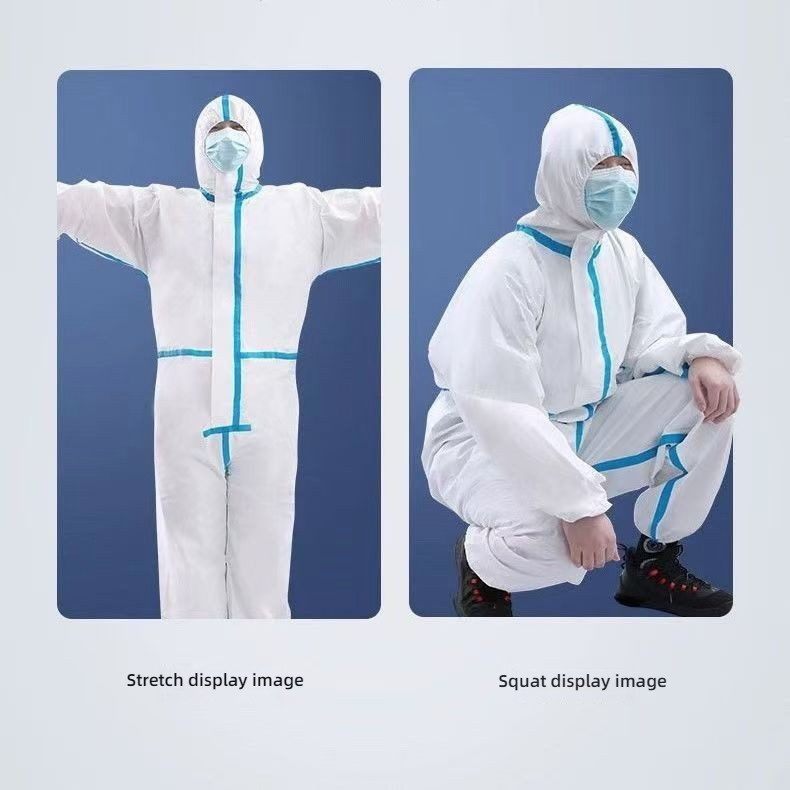
Electronics Industry: In the production of electronic products, static electricity can cause damage to chips and electronic components. Antistatic fabrics used in workwear and antistatic suits effectively prevent the generation of static electricity.
-
Printing Industry: During the printing process, the static electricity of paper and ink can lead to uneven adhesion of ink on paper, and the use of antistatic paper can improve print quality.
-
Medical and Health: In hospitals, medical equipment is highly sensitive to static electricity. Antistatic fabrics made into bedding and clothing can help reduce the risks posed by static electricity.
-
Home Products: Antistatic curtains, sofa covers, and other home items can reduce dust adhesion, keeping the indoor environment clean.
-
Apparel Industry: Antistatic clothing can prevent wear and tear caused by static electricity and interference from fabric internal charges with electronic devices during the textile process.
-
Transportation Sector: In the transportation of high-risk industries such as oil and chemicals, antistatic fabrics are used for packaging materials to prevent safety accidents caused by static electricity.
The principle of antistatic fabrics lies in their special material selection and processing techniques, which enable them to have the ability to lower and conduct away static electricity. In practical applications, this characteristic plays a significant role in various industries and fields, ensuring product safety and production efficiency.
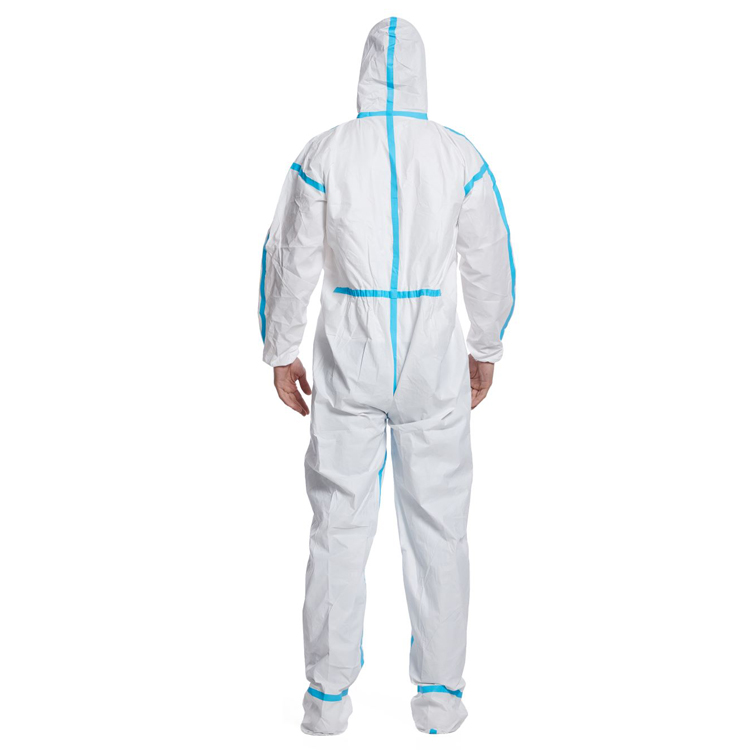
Anti-static fabric performance characteristics
Anti-static fabrics are treated with special processes to make their surfaces less prone to accumulate static electricity, thereby effectively preventing the generation and accumulation of static. The following are their main performance characteristics:
-
Anti-static: Anti-static fabrics can quickly conduct electricity, preventing the accumulation of charges on the fabric surface, reducing static discharges, and lowering the risk of sparks and discomfort caused by static.
-
Anti-pollution: Due to the anti-static treatment, the fabric surface is less likely to attract dust and stains, keeping the clothing clean and extending its lifespan.
-
Comfort: Anti-static fabrics have good skin-friendly properties, reducing itching and discomfort caused by static, thus enhancing comfort when worn.
-
Antimicrobial: Some anti-static fabrics are treated with special processes to have antimicrobial properties, effectively inhibiting bacterial growth and maintaining clothing hygiene.
-
Washability: The anti-static treatment does not diminish with washing, and the fabric maintains its anti-static performance after multiple washes.
-
Abrasion resistance: During wear, the charges generated by friction can be quickly released from anti-static fabrics, reducing static caused by friction.
-
Breathability: The anti-static treatment does not affect the fabric’s breathability, maintaining good air circulation when worn.
-
Flame retardancy: Some anti-static fabrics have flame-retardant properties, which can prevent fires to some extent.
-
Easy care: Anti-static fabrics are easy to clean and maintain, and can be machine washed or hand washed without distortion.
-
Aesthetics: The anti-static treatment does not affect the fabric’s appearance, maintaining the original texture of colors and patterns.
-
Antifungal: Anti-static fabrics have certain antifungal properties, effectively inhibiting mold growth and keeping the clothing dry.
-
Electromagnetic shielding: For environments sensitive to electromagnetic waves, anti-static fabrics have some electromagnetic shielding effects, protecting the human body from electromagnetic radiation.
-
Heat resistance: Anti-static fabrics can maintain their performance in high-temperature environments, suitable for high-temperature work sites.
-
Water resistance: Some anti-static fabrics are treated with special processes to have water-resistant properties, suitable for outdoor activities.
-
Transparency: The anti-static treatment does not affect the fabric’s transparency, maintaining the original visual effect.
In summary, the performance characteristics of anti-static fabrics make them widely applicable in various fields, such as electronics, healthcare, clothing, and home furnishings.
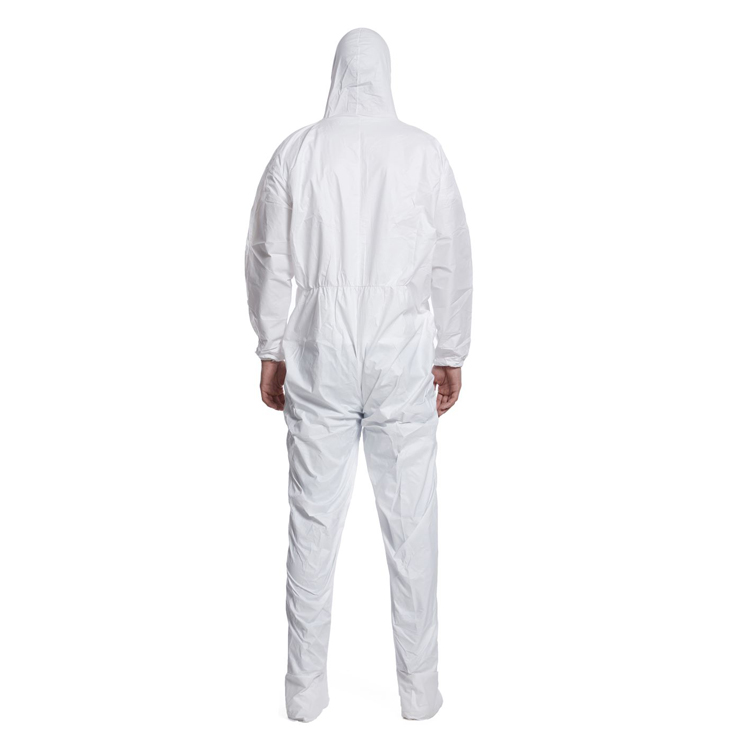
The application fields of anti-static fabrics
Anti-static fabrics, with their precise homes, are extensively utilized in numerous industries, and their precise application areas consist of:
-
Electronics enterprise: Anti-static fabric are used for packaging and protection of digital gadgets. those fabrics effectively save you static harm to sensitive digital components, ensuring product protection during transportation and storage.
-
clinical subject: Anti-static garb and bedding are widely utilized in hospitals and nursing institutions. They lessen the hazard of electrical shocks while patients come into touch with scientific equipment, guard patients from damage, and additionally assist reduce the threat of pass-contamination.
three. fabric industry: Anti-static remedy is an vital manner to improve the first-rate of textiles. Anti-static fabric can lessen static accumulation among fibers, improving the comfort and sturdiness of the cloth, in particular in non-public care gadgets including underwear and socks.
- Printing enterprise: Anti-static fabrics are used on the conveyor belts of printing machines and for packaging revealed substances, stopping static from inflicting paper sticking or decreasing printing quality.
five. automotive production: Anti-static fabrics are used for covering indoors materials such as seat covers and carpets. This enables prevent static interference with the automobile’s electronic systems and improves the consolation of passengers.
-
Aerospace enterprise: Anti-static fabrics are used for the indoors of plane cabins and protecting garb for floor employees. these fabrics save you static from affecting flight protection and ensure the safety of passengers and device.
-
food Processing enterprise: Anti-static packaging materials can lessen static generated when meals comes into touch with packaging substances, preventing food from being contaminated and ensuring meals protection.
-
Petroleum and Chemical enterprise: Anti-static fabric are used for the protection of system inclusive of pipelines and valves, stopping static from causing fires or explosions.
-
Warehouse and Logistics: Anti-static mats and floor coverings are used to lessen static accumulation between goods and managing device, reducing the danger of damage to goods.
-
sports activities system industry: Anti-static sports activities wear and shoes can beautify the performance of athletes, reducing interference due to static.
eleven. home lifestyles: Anti-static curtains and carpets can reduce indoor static, enhance the house environment, and decorate the high-quality of existence.
via their anti-static, anti-pollutants, and clean-to-easy homes, anti-static fabrics provide secure and relaxed answers for numerous industries.
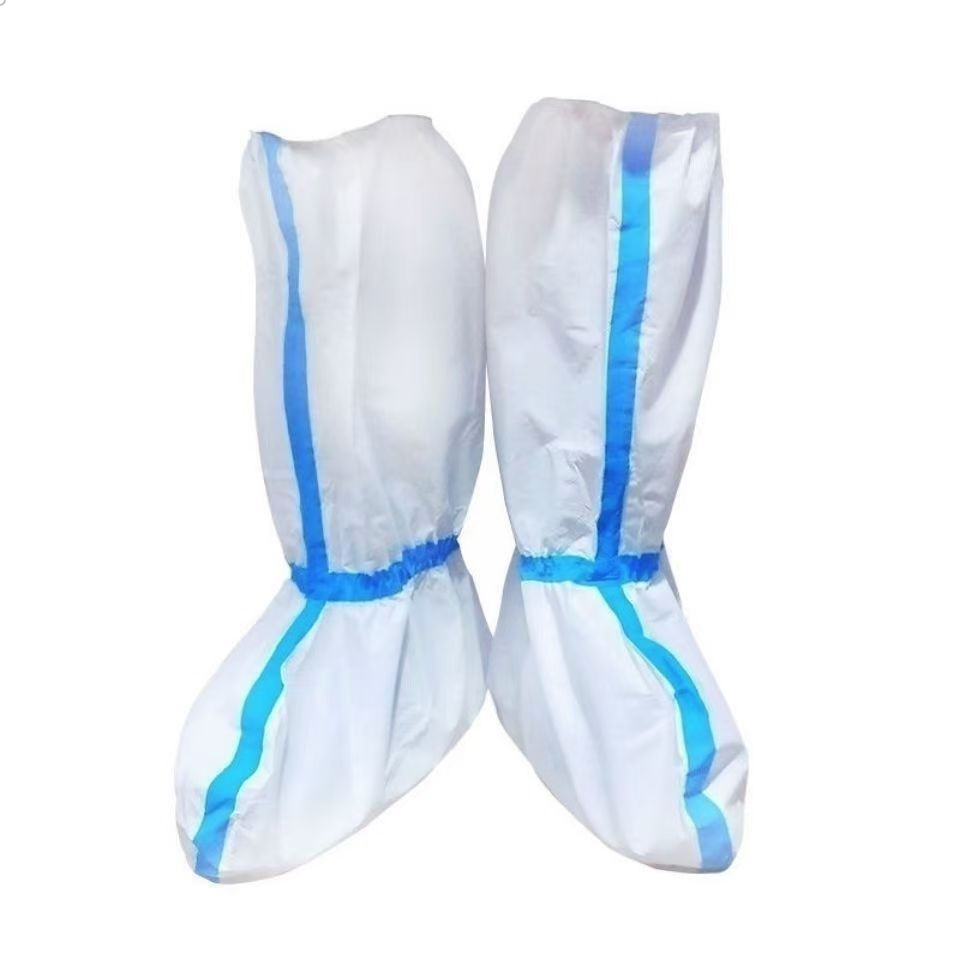
Development trends and challenges of antistatic fabrics
-
Integration of materialsAs environmental awareness will increase, one of the developments within the improvement of antistatic fabric is the mixing of substances. This consists of the usage of recyclable substances, biodegradable substances, and coffee-energy manufacturing technologies to lessen environmental effect.
-
Enhancement of FunctionalitiesWith developing patron needs for fabric functionalities, antistatic fabrics are shifting in the direction of better overall performance. This includes improved antistatic outcomes, improved sturdiness, water-proof and oil-resistant houses, as well as antibacterial and antitoxic residences.
three. fashion toward IntelligenceIntelligence is some other essential trend inside the development of antistatic fabric. by combining nanotechnology and digital generation, antistatic fabric can attain capabilities which includes temperature sensing, humidity regulation, and ultraviolet safety.
- go-enterprise IntegrationAntistatic fabrics are integrating with technologies from different industries, such as healthcare, aerospace, and electronics, showcasing extra opportunities in particular fields.
five. personalised CustomizationAs market demands diversify, antistatic fabric are moving toward personalised customization. This consists of designing antistatic merchandise with distinctive hues, patterns, sizes, and functionalities to meet various person wishes.
-
Intensified worldwide oppositionWith the speedy improvement of the worldwide financial system, the opposition inside the antistatic material marketplace is becoming increasingly more fierce. chinese organizations are going through demanding situations from international manufacturers and need to constantly improve their technological and product first-class tiers.
-
patron schoolingThe popularization of antistatic fabrics calls for customers to have a enough knowledge of the goods. consequently, enhancing purchaser recognition of antistatic material understanding is a key aspect in riding enterprise development.
8.In terms of environmental protection and protection, the antistatic cloth enterprise is precisely confined through guidelines and rules. enterprises want to be aware of coverage dynamics to make certain that their merchandise meet relevant requirements.
-
pressure for Technological InnovationTo hold competitiveness, antistatic fabric organisations need to constantly innovate. This includes developing new antistatic materials, improving manufacturing procedures, and decreasing production prices.
-
increasing marketplace Saturationbecause the antistatic fabric marketplace continues to expand, market saturation is progressively increasing. enterprises need to locate new market areas and discover capacity client companies.