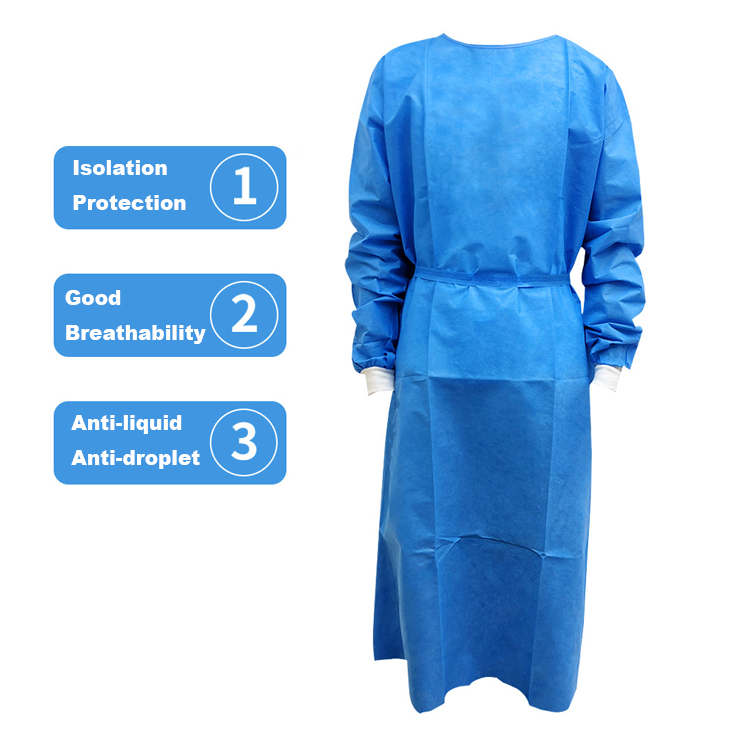
Safety Disposable Gloves: IT’s Role in Enhanced Safety Protection
In modern society, with the increasing safety protection requirements across various industries, disposable gloves have emerged as a convenient and efficient personal protective equipment, and their importance is becoming increasingly evident. This article will explore the applications of disposable gloves in fields such as healthcare and industry, and analyze the key factors in selecting the appropriate gloves, as well as considerations regarding their environmental protection and sustainability.
The importance of safety protection
In the modern era, safety protection has become a focal point of concern across all industries. Whether it’s in healthcare, industry, or daily life, the implementation of safety measures is crucial. Here is a detailed analysis of the importance of safety protection:
-
Life and Health Protection: The primary purpose of safety protection is to ensure the safety of personnel. In hazardous environments such as construction sites and chemical production, safety equipment like helmets, protective goggles, and gloves can effectively reduce the occurrence of accidents and lower the risk of injury and death.
-
Prevention of Property Loss: Safety protection measures help prevent property loss. In the process of industrial production, equipment failures and operational errors can lead to serious accidents, causing damage to equipment and waste of raw materials. By strengthening safety protection, these risks can be mitigated.
-
Improvement of Work Efficiency: Safety protection measures contribute to the enhancement of work efficiency. In a safe working environment, employees can be more focused, reducing downtime due to accidents and thereby improving overall production efficiency.
-
Enhancing Corporate Competitiveness: As society places increasing emphasis on safety protection, companies with comprehensive safety measures are more competitive. This not only reflects in reducing accident risks but also in improving corporate image and customer satisfaction.
-
Legal Requirements: Relevant laws and regulations in China have clear requirements for safety protection. Companies must comply with these regulations, or they may face fines,, and other penalties. Strengthening safety protection helps ensure legal corporate operations.
-
Social Responsibility: As a part of society, companies have a responsibility to protect the lives and health of their employees. By implementing safety protection measures, companies can fulfill their social responsibilities and establish a positive corporate image.
-
Technological Innovation: The development of safety protection technology drives the progress of related industries. Companies continuously research and develop new safety protection products to improve protection effects and provide a safer working environment for employees.
-
Prevention-oriented, Comprehensive Management: Safety protection emphasizes the principle of “prevention first, comprehensive management”. By strengthening safety awareness education, improving safety management systems, and enhancing safety protection facilities, accidents can be reduced from their source.
-
Reduction of Accident Incidence: The implementation of safety protection measures helps reduce the incidence of accidents. By eliminating safety hazards before accidents occur, the damage to personnel and property can be minimized.
-
Promotion of Social Harmony: The implementation of safety protection contributes to the construction of a harmonious society. Reducing accidents and ensuring the safety of people’s lives and property helps improve social stability and people’s sense of happiness.
The importance of safety protection cannot be overlooked. In all fields, strengthening safety protection measures is of great significance for safeguarding personnel’s health and lives, preventing property loss, improving work efficiency, and enhancing corporate competitiveness.
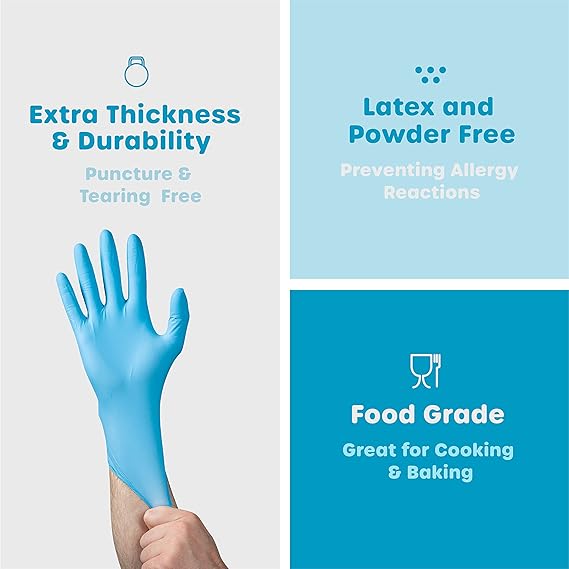
Disposable gloves in the medical field application
In the medical industry, disposable gloves have become an indispensable protective tool. They play a crucial role in various applications, detailed as follows:
In medical procedures, healthcare workers wear disposable gloves before coming into contact with patients to prevent cross-infection. This protection benefits both the patients and the medical staff’s health.
During surgical procedures, disposable gloves are one of the basic protective equipment. The integrity of the gloves helps prevent the spread of bacteria and viruses, ensuring a sterile surgical environment.
In nursing work, such as administering intravenous injections, changing dressings, and other operations, healthcare workers wear disposable gloves to effectively reduce the risk of infection.
When handling medical waste, such as discarded needles, blood samples, and other hazardous materials, disposable gloves provide necessary protection for staff, preventing direct contact with potential dangers.
During outbreaks of viruses or bacteria, such as during flu seasons, the frequency of using disposable gloves significantly increases to reduce the spread of pathogens.
For patients with infectious diseases or compromised immune systems, the use of disposable gloves is more frequent to prevent the spread of pathogens from healthcare workers to other patients.
Disposable gloves are also widely used in dental, veterinary, and laboratory fields related to medicine, providing basic safety guarantees for various professionals.
With the advancement of medical technology, the materials and designs of disposable gloves are continuously optimized to meet the needs of different medical scenarios and improve protective effects.
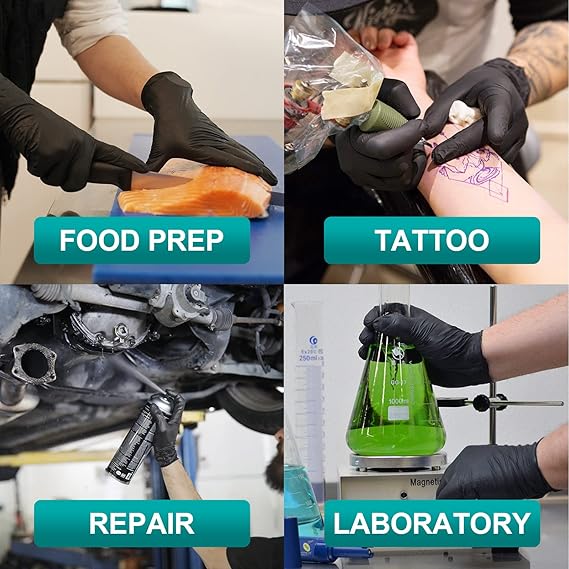
Disposable gloves play a role in industrial production.
In industrial production, disposable gloves play a crucial role in several aspects:
-
Preventing Cross-contamination: During the production process, there is a risk of cross-contamination between various raw materials and products. Wearing disposable gloves effectively isolates hand bacteria and contaminants, protecting products from contamination and ensuring product quality.
-
Protecting Worker Health: Many industrial environments involve hazardous chemicals, high temperatures, sharp objects, and other dangerous factors. Disposable gloves provide a layer of protection for workers, reducing the risk of direct skin contact with harmful substances and minimizing the incidence of occupational diseases.
-
Maintaining Equipment Cleanliness: In the production of precision instruments or electronic products, maintaining the cleanliness of the equipment surface is crucial. Disposable gloves prevent workers’ hand sweat and oils from soiling the equipment, ensuring the smooth progress of the production process.
-
Increasing Production Efficiency: The use of disposable gloves allows for quick changes, avoiding the time wasted on frequent hand washing or disinfection. Additionally, the standardized use of gloves facilitates management and helps to increase production efficiency.
-
Adapting to Different Job Requirements: Industrial production involves numerous positions, each with varying demands for gloves. Disposable gloves come in a variety of materials, including latex, PE, nitrile, and PVC, as well as different thicknesses and sizes, meeting the protective needs of various positions.
-
Reducing Production Costs: Compared to traditional gloves, disposable gloves are cost-effective, easy to replace, and do not require cleaning or disinfection. In large-scale use, they can effectively reduce production costs.
-
Ensuring Product Safety: In industries such as food processing and pharmaceuticals, product safety is paramount. The use of disposable gloves reduces the risk of the spread of bacteria and viruses, ensuring product safety and meeting consumers’ hygiene requirements for food and pharmaceuticals.
-
Promoting Environmental Awareness: The use of disposable gloves reminds enterprises to pay attention to environmental issues in the production process. In addition to ensuring worker health and production safety, enterprises are more environmentally conscious, reducing environmental pollution.
-
Adapting to Temporary Demands: In industrial production, temporary needs often arise, such as emergency repairs and temporary overtime. The convenience of disposable gloves allows workers to quickly respond to various emergencies, improving emergency response capabilities.
-
Enhancing Corporate Image: The attention an enterprise pays to disposable gloves reflects its concern for employee health and product quality. This helps to enhance the corporate image and strengthen consumer trust in the product.

Consideration Factors for Choosing the Right Safety Gloves
Material selection is crucial; choosing the appropriate material based on different operational requirements is essential. For example, when conducting chemical experiments, gloves that are resistant to chemicals should be used, while natural latex or nitrile gloves can be chosen for cleaning tasks.
The thickness of the gloves also needs to be considered, as it determines the level of protection they provide. Gloves with higher thickness offer better resistance to piercing and cutting, making them suitable for high-risk industrial operations, while thinner gloves are more convenient for handling and are appropriate for low-risk environments.
Proper sizing is critical to ensure the effective use of gloves. Incorrect sizes can lead to gloves slipping off or being too tight, thereby reducing safety. The correct size ensures a snug fit on the hand, providing necessary protection without affecting hand dexterity.
Allergens are another factor to consider, particularly for individuals allergic to natural materials such as latex. Gloves made from non-latex or synthetic materials should be chosen to avoid skin irritation or allergic reactions.
Hand comfort is also important, as wearing gloves for extended periods can affect operational efficiency and comfort. Gloves with soft, comfortable textures that fit well can reduce operational fatigue and increase work efficiency.
Durability is a key attribute of gloves in industrial production. Frequent glove changes not only increase costs but also impact production processes. Choosing gloves with high durability can reduce the frequency of replacements and lower costs.
Anti-slip properties are particularly crucial in wet or oily work environments. Gloves with anti-slip designs can prevent slipping and improve safety.
Specialty gloves are widely used in specific industries, such as heat-resistant gloves and electrical insulating gloves. These gloves are designed to meet the specific needs of certain work environments.
Ease of cleaning and disinfection is also a factor that should not be overlooked when choosing gloves. Gloves that are easy to clean and disinfect can quickly return to a sterile state after use, making them suitable for industries such as healthcare and food processing.
The price factor should not be ignored either. Within the context of meeting safety requirements, balancing costs with performance and choosing gloves with a good value for money can help companies reduce operational costs.
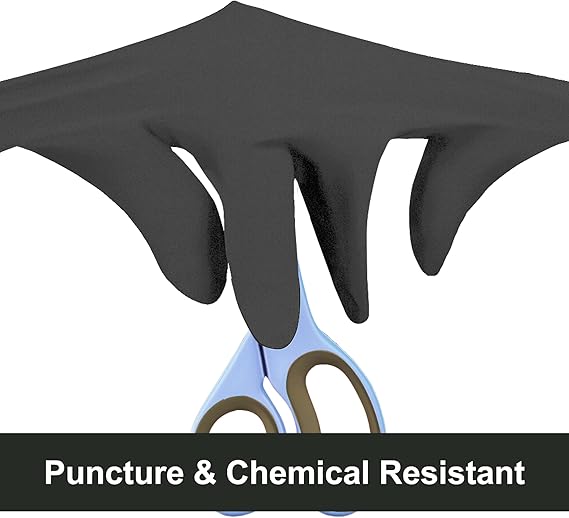
Disposable gloves and their environmental sustainability
Sexual gloves are often manufactured using biodegradable materials such as polylactic acid (PLA) or polyvinyl alcohol (PVA), which can decompose under natural conditions, thereby reducing their environmental impact. Here are several aspects regarding the environmental friendliness and sustainability of disposable gloves:
The choice of glove material directly affects its environmental performance. Some brands have shifted to using recyclable or biodegradable materials, which, upon disposal, do not persist in the environment like traditional plastics, thus reducing soil and water pollution.
In terms of lifespan, disposable gloves are designed for single-use, which minimizes the risk of cross-contamination that could occur during repeated use. The quick replacement of gloves also reduces downtime due to glove damage or contamination, enhancing production efficiency.
The disposal of used gloves is also a consideration for environmental protection. Some glove manufacturers offer dedicated recycling services, collecting used gloves for sorting and recycling, thereby avoiding their becoming a burden on landfills.
The design of glove packaging is also aiming for environmental sustainability. More and more manufacturers are using recyclable or biodegradable packaging materials, reducing plastic usage and lowering the environmental impact of packaging.
The production process of gloves is also being optimized to reduce energy consumption and emissions. By adopting more efficient manufacturing techniques and clean energy, the environmental footprint of the production process is significantly reduced.
In terms of supply chain management, choosing raw material suppliers closer to the production site can reduce carbon emissions from transportation. Additionally, optimizing logistics routes to reduce transportation distances further lowers the environmental impact.
The environmental design of sexual gloves also includes the reduction of chemical additives. Some glove products contain or use low amounts of phthalates, plasticizers, and other harmful chemicals, reducing the risk to users and the environment.
The market acceptance of gloves with environmental performance is also evident. With the increasing environmental awareness among consumers, more consumers are willing to choose environmentally friendly disposable gloves, which drives the entire industry towards a sustainable direction.
Through these efforts, disposable gloves not only provide necessary protection but also contribute to environmental and sustainability efforts, offering the possibility of constructing a greener and more environmentally friendly production and work environment.

Conclusion: The necessity of safety gloves in modern society.
In modern society, safety gloves play an indispensable role, their importance is reflected in the following aspects:
-
Gloves come in a variety of materials and functions, effectively protecting against various potential hazards. Whether it’s cuts, chemical leaks, or biological risks, the right gloves provide a protective barrier for workers.
-
With the increasing awareness of occupational health and safety, enterprises are paying more attention to protecting their employees. As a basic protective equipment, safety gloves not only reduce the occurrence of workplace accidents but also lower the human cost for businesses.
-
In the medical field, gloves are crucial in preventing cross-contamination. The use of disposable gloves reduces the risk of pathogen transmission, safeguarding the health of patients and healthcare workers.
-
The food safety industry also relies heavily on gloves. During food processing, cooking, and selling, gloves prevent bacteria and viruses from contaminating food, ensuring food safety.
-
As environmental issues become more prominent, the environmental friendliness and sustainability of disposable gloves have become a focus of attention. Many producers are now using biodegradable materials to reduce the environmental burden.
-
The durability of gloves is also a consideration when choosing them. Selecting gloves with strong durability based on the usage environment can extend their lifespan and reduce the frequency of replacement.
-
The fit of gloves directly affects the ease of operation and comfort. Suitable size and hand adaptability can make workers feel more during use.
-
Personal preferences and habits should not be overlooked. Choosing gloves that match personal hand feel and usage habits can improve work efficiency and reduce fatigue.
-
For special industries such as chemicals and electronics manufacturing, gloves not only need to have protective functions but also need to have characteristics such as static dissipation and heat resistance.
-
When purchasing gloves, cost-effectiveness is also an important consideration. Choosing products with a good balance of quality and function can help optimize cost control.
The necessity of safety gloves in modern society lies in their ability to provide multi-level protection, reduce work risks, and ensure personal health and environmental safety. As technology progresses and environmental awareness grows, safety gloves will continue to be optimized and upgraded, bringing more benefits to human society.