American Safety Disposable Coverall: The Ultimate Protective Suit Guide
In various scenarios such as industrial production, medical care, and daily life, disposable protective suits serve as crucial personal protective equipment. The selection and use of these suits directly relate to the safety and health of personnel. This article will discuss the material characteristics, application fields, and as well as maintenance methods of disposable protective suits, with the aim of providing reference for relevant professionals.
Overview of U.S. Safety Disposable Protective Suits
The United States safety disposable protective suits, as an efficient personal protective equipment, are widely used in various fields such as healthcare, laboratories, and industrial manufacturing. The following is a detailed description of their overview:
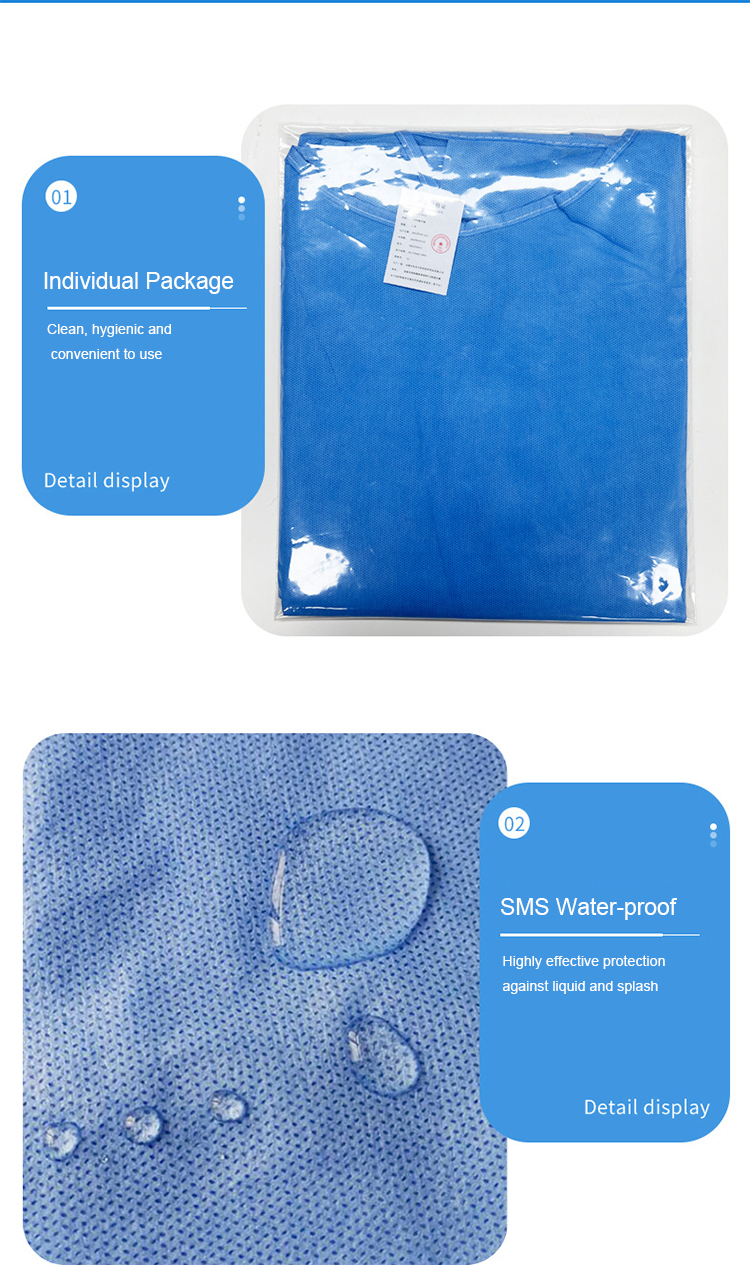
In terms of material, American safety disposable protective suits are typically made from high-density polyethylene (HDPE) or polypropylene (PP) and other high molecular materials. These materials have excellent chemical resistance, oil resistance, heat resistance, and certain barrier properties, effectively preventing the penetration of liquids, powders, and other substances.
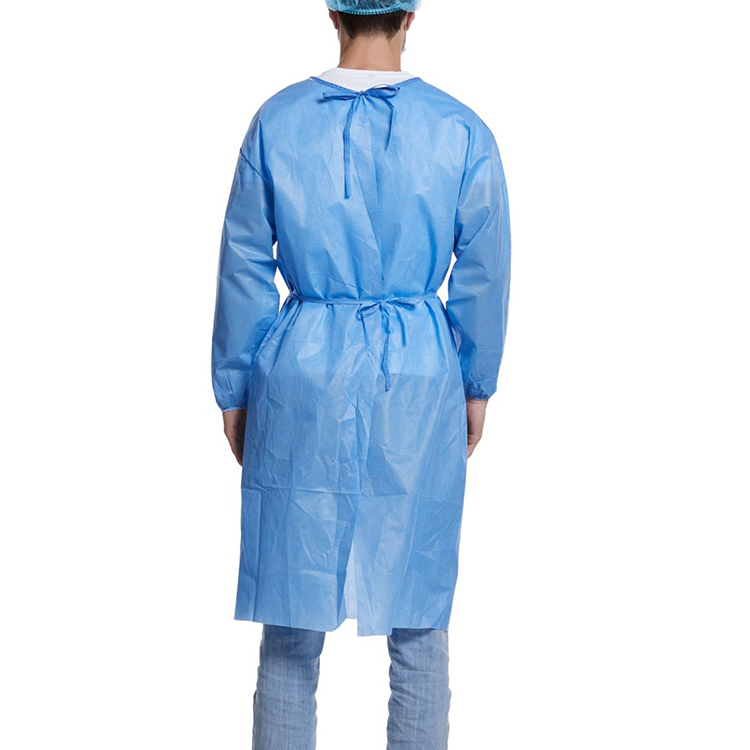
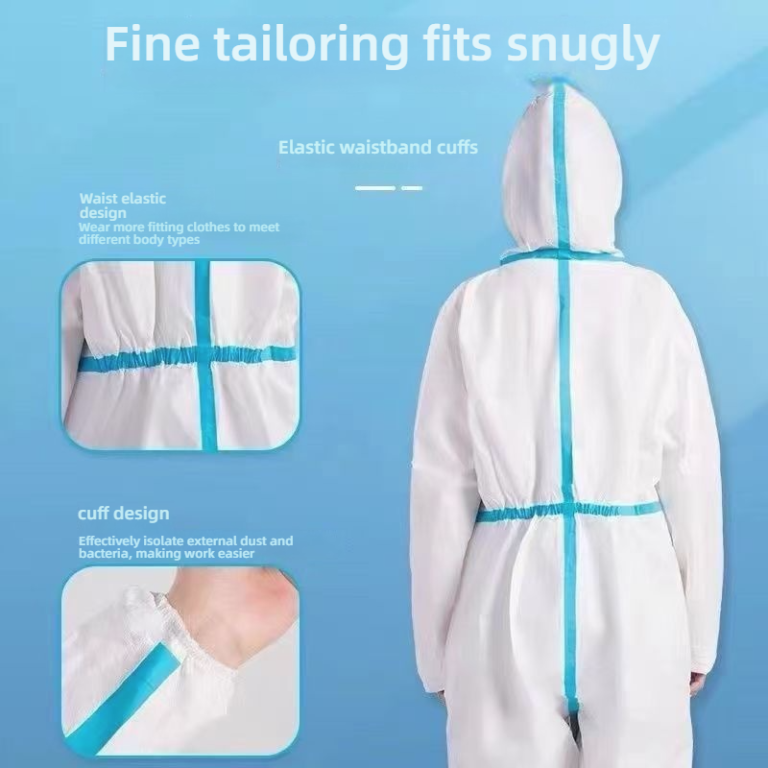
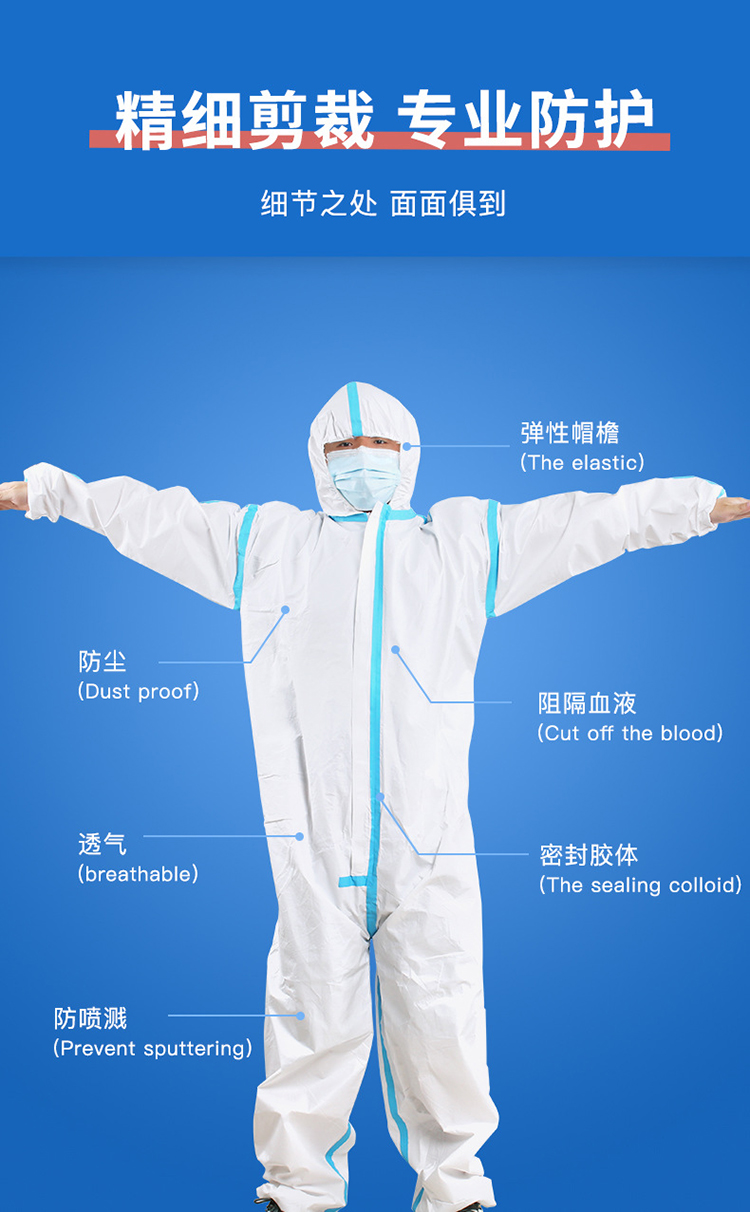
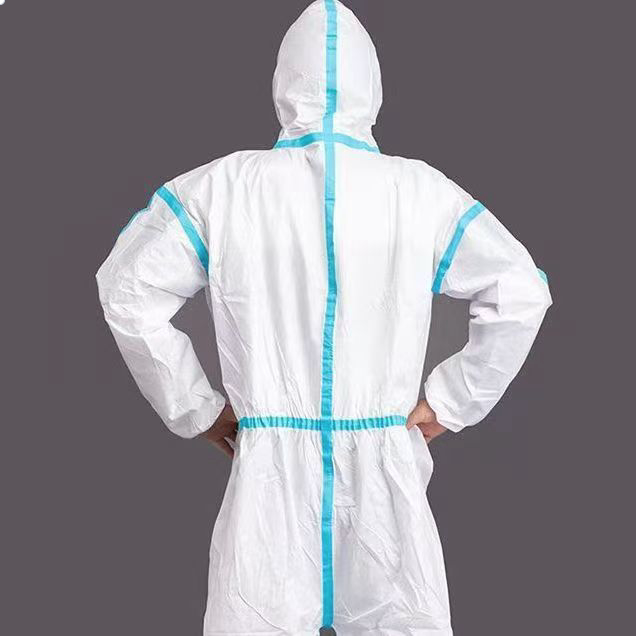
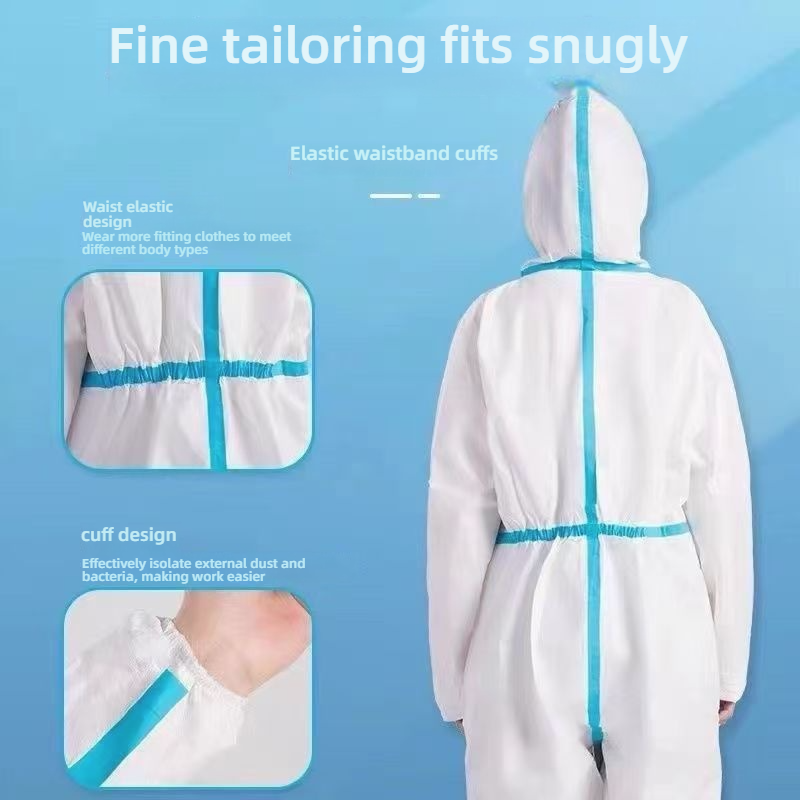
In design, these protective suits are based on ergonomics, fitting the body contours of the wearer to ensure ease of movement. The neck, sleeve, and waist areas of the protective suits are equipped with elastic designs for easy donning and doffing. In addition, some protective suits are equipped with accessories such as dust caps and goggles to provide comprehensive protection.
Functionally, American safety disposable protective suits have the following characteristics:
-
Barrier Performance: They effectively block the spread of bacteria, viruses, and other microorganisms, reducing the risk of cross-infection.
-
Protective Performance: They offer good protection against harmful substances such as chemical liquids, powders, and sharp objects.
-
Breathability: Made from breathable materials, they allow the wearer to maintain comfort while being protected.
-
Durability: Single-use, they avoid the cross-contamination issues associated with repeated use.
-
Easy to Dispose of: After use, they can be discarded directly, reducing environmental pollution.
The application fields of American safety disposable protective suits are extensive, including:
-
Healthcare Industry: Such as operating rooms, infectious disease wards, and nursing stations, used for personal protection of medical staff during operations and care.
-
Laboratories: Such as biological laboratories and chemical laboratories, used for researchers during experimental operations.
-
Industrial Manufacturing: Such as the oil, chemical, and electronics industries, used for workers’ protection during production activities.
-
Food Industry: Such as food processing and catering services, used for staff protection when handling food.
-
Public Health: Such as health and epidemic prevention and control, used for staff protection during public health tasks.
American safety disposable protective suits, with their excellent performance and wide range of applications, have become an important piece of personal protective equipment. During use, the following points should be noted:
-
Proper Donning: Follow the instructions to ensure that the protective suit covers all exposed body parts.
-
Avoid Reuse: After use, disposable protective suits should be discarded immediately to prevent cross-contamination.
-
Proper Disposal: Used protective suits should be disposed of according to relevant regulations.
-
Regular Inspection: Regularly check the integrity of the protective suits to ensure the protective effect.
Material and Characteristics of Disposable Protective Suits
Sexual protective clothing is made from a variety of materials, with the following main characteristics:
-
Polyethylene (PE) Material: Commonly used as the base layer of disposable protective clothing, it has good chemical resistance, barrier properties, and softness.
-
Non-woven Fabric: Often used for the middle layer of protective clothing, it offers good breathability and liquid barrier performance, effectively blocking pathogens and harmful substances.
-
Waterproof and Breathable Membrane: As the surface material of protective clothing, it has properties such as waterproof, breathable, dustproof, and antibacterial, providing comprehensive protection.
-
Dust-Free Treatment: Some disposable protective clothing undergoes dust-free treatment during production to ensure the cleanliness of the product surface and reduce the risk of contamination.
-
Anti-static Treatment: For environments where static buildup needs to be prevented, disposable protective clothing can be treated to reduce the impact of static on personnel and equipment.
-
Tightly Fitted: Designed with ergonomics in mind, the protective clothing fits the body closely, reducing the gap between the clothing and the skin, and lowering the risk of infection.
-
Easy to Put On and Take Off: Disposable protective clothing is designed simply and easy to wear, with no complex operation steps, allowing for quick donning.
-
Environmental Friendly and Biodegradable: Some disposable protective clothing is made from environmentally friendly materials and can be decomposed after use, reducing environmental impact.
-
High-Strength Seaming: The seams and welds of the protective clothing are made using high-strength techniques to ensure the clothing does not easily tear during wear.
-
Antibacterial Treatment: Some disposable protective clothing is treated with antibacterial agents to inhibit bacterial growth, reducing the risk of cross-infection.
-
Oil-Resistant Properties: For situations involving contact with oil and other contaminants, disposable protective clothing has good oil resistance, effectively preventing oil from.
-
Heat Resistance: Some protective clothing is treated to maintain stable performance in high-temperature environments, suitable for high-temperature work conditions.
-
Transparent Windows: In cases where observation of the operation area is required, disposable protective clothing can be designed with transparent windows for easy observation.
-
Ear Muff Design: To protect the hearing of the operators, some disposable protective clothing is equipped with ear muffs to reduce noise interference.
-
Multi-functional Pockets: Designed with multiple functional pockets for convenience in carrying tools and items, improving work efficiency.
The materials and characteristics of sexual protective clothing are diverse, and can be selected according to different usage environments and requirements to provide comprehensive protection for operators.
Application fields of disposable protective suits
Protective clothing, with its convenience and safety, is widely used in various industries and scenarios, and its main application areas include:
-
In the medical field, protective suits are essential equipment for medical staff during surgeries, nursing, and the prevention and control of infectious diseases. They effectively block pathogens and liquid splashes, protecting medical personnel from infections.
-
In industrial production, particularly in industries such as chemicals, pharmaceuticals, and food processing, disposable protective suits are used to protect workers from harmful substances, particles, and bacteria, ensuring the cleanliness and safety of the production environment.
-
On construction sites, workers can wear protective suits to prevent injuries from dust, sand, and other particulate matter to the skin, as well as to protect against accidental injuries such as cuts and scratches.
-
In laboratory environments, researchers rely on protective suits to prevent direct contact with chemicals, biological samples, and other hazardous materials during biological or chemical experiments.
-
In the catering and hospitality industry, chefs and restaurant staff wear protective suits to prevent food contamination during the handling of ingredients and cooking, ensuring food safety.
-
During public health emergencies, such as natural disasters and fire fighting, protective suits are crucial for rescue personnel to protect themselves from potential biological and chemical threats.
-
In the agricultural sector, farmers can reduce the irritation and injury to the skin from chemicals like pesticides and fertilizers by wearing protective suits.
-
In the beauty and hairdressing industry, disposable protective suits are used to protect both customers and staff from the effects of chemicals such as shampoos and hair dyes.
-
In the personal hygiene sector, such as home renovation and cleaning services, protective suits can prevent pollution from construction materials and cleaning agents to the home environment.
-
In military and law enforcement departments, protective suits are used during special operations such as counter-terrorism and investigation to protect personnel from potential biological and chemical threats.
-
In personal protection needs, such as outdoor exploration and extreme sports, disposable protective suits can serve as emergency equipment, providing basic protection for participants.
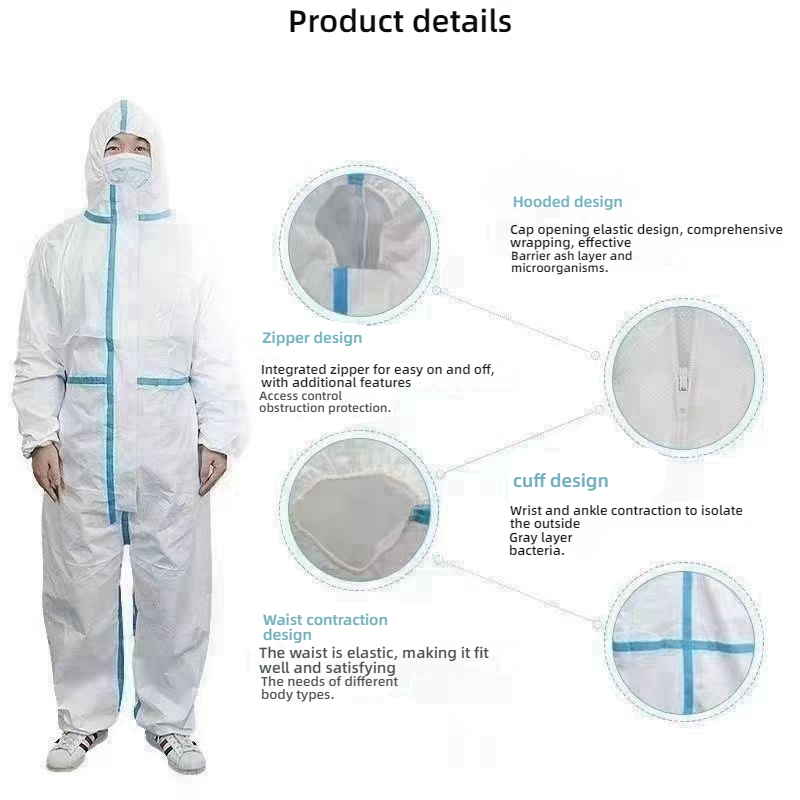
The advantages of American safety disposable protective clothing.
In terms of material, American safety disposable protective suits typically use non-woven materials such as polypropylene (PP) or polyethylene (PE). These materials are lightweight, breathable, and possess excellent tear resistance and chemical resistance. Additionally, some protective suits are coated with a waterproof layer to enhance their ability to prevent liquid penetration.
In terms of design, these protective suits feature the following characteristics:
-
Tightly Fitted: The design emphasizes ergonomics, ensuring that the wearer is not restricted during movement while also providing a snug fit to the body, reducing air flow and minimizing the risk of contamination.
-
Multi-Layer Protection: They usually employ a multi-layer structure, including a filtration layer, isolation layer, and waterproof layer, effectively blocking harmful substances such as microorganisms, viruses, and bacteria.
-
Easy to Put On and Take Off: They use features like zippers or hook-and-loop closures for quick donning and doffing, reducing the risk of cross-contamination.
-
Anti-Static Design: Some protective suits are made from anti-static materials to prevent static buildup and reduce the risk of fire.
-
Easy to Disinfect: The materials are easy to clean and disinfect, ensuring that the protective suits maintain their protective effectiveness after multiple uses.
-
Variety of Colors: A range of color options are available to meet different event and customer needs.
The advantages of American safety disposable protective suits are mainly reflected in the following aspects:
-
Excellent Protective Performance: They can effectively block a variety of harmful substances, protecting the wearer from infection.
-
Easy to Use: Quick donning and doffing saves time and improves work efficiency.
-
Cost-Effective: Single-use reduces the costs associated with repeated cleaning and disinfection.
-
Hygienic and Environmental: They prevent cross-contamination and reduce medical waste, complying with environmental requirements.
-
Suitable for Various Scenarios: Whether in hospitals, laboratories, food processing plants, or daily cleaning work, they can be effectively utilized.
-
Compliance with International Standards: American safety disposable protective suits meet international quality standards such as EN 14126, EN 14605, ensuring product quality.
-
Brand Reputation: American brands have a high reputation and good in the protective suit field, and consumers have high confidence in their product quality and after-sales service.
American safety disposable protective suits have become highly acclaimed products in the market due to their excellent materials, design features, and wide range of applications.
Please ensure that the translated content does not contain simplified Chinese. Here is the translation:Use Instructions and Maintenance Methods
In terms of material, American safety disposable protective suits are typically made from materials such as high-density polyethylene (HDPE) or polypropylene (PP), which are non-toxic, odorless, and resistant to chemical corrosion. These materials offer excellent waterproof, oilproof, and dustproof properties, ensuring effective protection for the wearer when in contact with hazardous substances.
-
Protective Performance: The design of the protective suit is intended to isolate the wearer from external harmful substances such as chemical liquids, powders, bacteria, and viruses. Its tightness effectively prevents these substances from penetrating, safeguarding the wearer’s health.
-
Breathability: Despite their excellent protective performance, protective suits also prioritize breathability to ensure the wearer remains comfortable during prolonged wear.
-
Easy-to-Wear Design: American safety disposable protective suits use simple closures such as zippers or buttons for quick donning and doffing, saving time.
-
Adaptability: Protective suits come in various sizes to accommodate different body types, ensuring that everyone can find a well-fitting suit.
-
Environmental Protection: After use, disposable protective suits can be disposed of in a harmless manner, reducing environmental pollution.
Usage Precautions:
-
Before wearing the protective suit, ensure that your hands and other exposed parts of the body are thoroughly cleaned.
-
When wearing, pay attention to pulling the bottom hem and sleeve cuffs of the protective suit tight to prevent the penetration of harmful substances.
-
Avoid contact with objects or surfaces that may contaminate the protective suit while wearing it.
-
Upon completion of use, immediately remove the protective suit to prevent contamination of other items or the environment.
Maintenance Methods:
-
After use, lay the protective suit flat in a well-ventilated area, avoiding folding.
-
Avoid exposing the protective suit to direct sunlight to prevent material aging.
-
Regularly inspect the integrity of the protective suit, and replace it immediately if any damage is found.
-
Dispose of the protective suit according to the product instructions to ensure environmental protection.
-
Store protective suits in a dry, well-ventilated area, avoiding moisture and high temperatures.