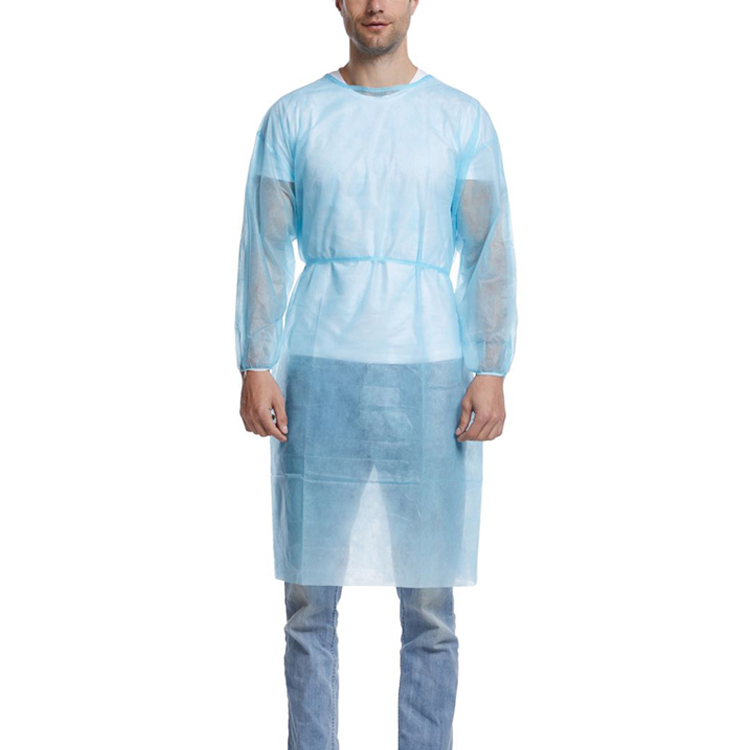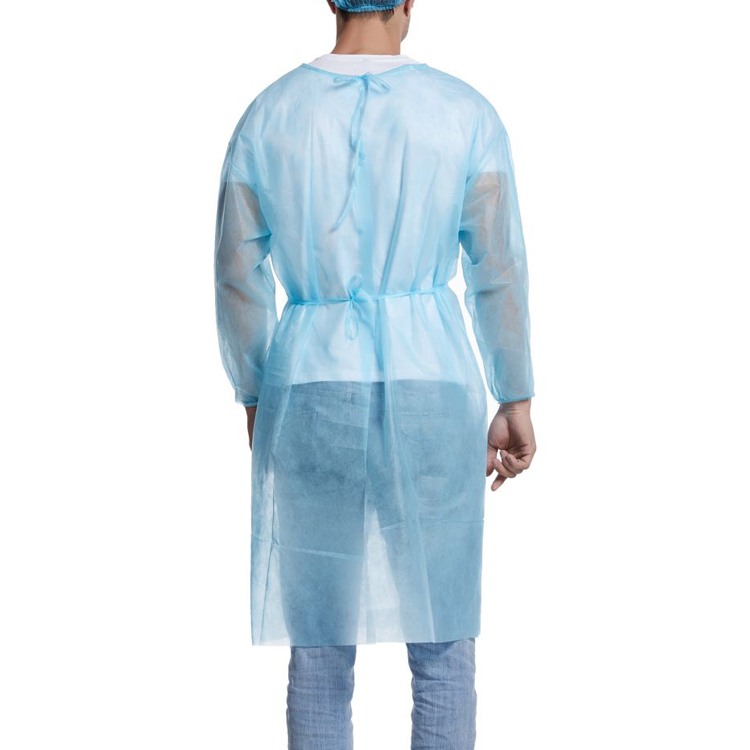
Anti-Static FR Coverall: Suit, Suits, and L Suit Applications and Market Trends
In the fields of electronics manufacturing, precision chemicals industry, and laboratories, where an extremely high level of environmental cleanliness is required, antistatic and dust-proof overall suits have become a professional protective gear that is increasingly important. This article will discuss the material characteristics of antistatic and dust-proof overall suits, their application areas, and analyze the market trends and future prospects of this product.
Anti-static and Dustproof Overall Overview
Anti-static and dust-proof overall suits are a type of special protective clothing designed for personnel working in environments prone to static electricity and dust. These suits are made from special materials that effectively prevent the accumulation of static electricity and block dust particles, ensuring the health and safety of workers.
In terms of material, anti-static and dust-proof overall suits typically use synthetic materials such as polyester fibers and polypropylene, which have excellent anti-static properties and can quickly discharge static electricity to the ground, preventing static sparks from causing fires or explosions. Moreover, the fabric is treated with special processes to enhance dust-proof functionality, ensuring that the surface of the clothing is not easily contaminated by dust.
In terms of design, the overall suits are designed as a one-piece garment with no pockets or belts that could accumulate dust, reducing the possibility of dust intrusion into the work area. The collars, sleeve cuffs, and ankle areas of the suits are equipped with elastic seals to ensure comfort while also effectively preventing external dust from entering.
Application fields: Anti-static and dust-proof overall suits are widely used in industries such as electronics, pharmaceuticals, food processing, and laboratories. In the electronics industry, such suits help prevent static damage to precision electronic components; in the pharmaceutical and food processing industries, the dust-proof function helps maintain the purity of products; and in research facilities, the suits protect researchers from harmful substances.
When wearing anti-static and dust-proof overall suits, the following points should be noted:
- Ensure that the clothing is thoroughly cleaned before wearing to avoid carrying external dust.
- Avoid contact with metallic objects during the wearing process to prevent static discharge.
- When putting on or taking off the overall suits, do so in a designated area to reduce pollution of the work environment.
- Regularly clean and replace the overall suits to maintain their anti-static and dust-proof properties.
With the advancement of technology and the increase in industrial safety awareness, the demand for anti-static and dust-proof overall suits in the market is continuously growing. In the future, it is expected that more functional fabrics and designs will be applied to such clothing to enhance protective performance and comfort. At the same time, with the enhanced awareness of environmental protection, biodegradable and sustainable materials will gradually become the mainstream of overall suit production.
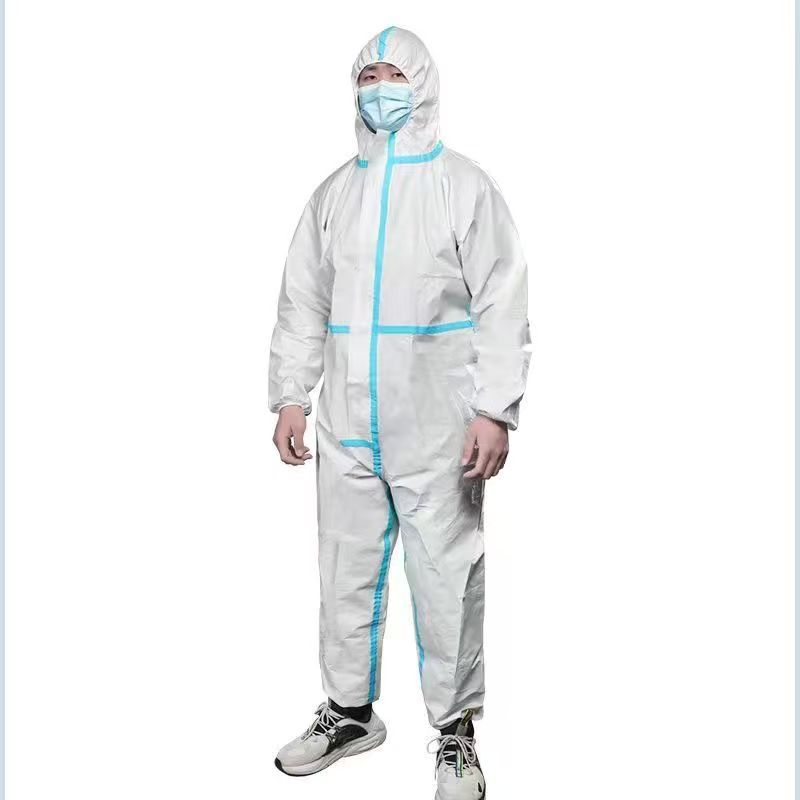
Anti-static and dust-proof overall fabric material characteristics
The anti-static and dust-proof overall is made from a variety of high-performance materials, with its material characteristics mainly reflected in the following aspects:
-
Anti-static fibers: The fabric of the overall suit typically employs anti-static fibers, such as blends of polyester fibers with conductive fibers. These fibers effectively prevent the generation and accumulation of static electricity, reducing the risk of static discharge and protecting electronic devices and precision instruments from damage.
-
Dust resistance: The fabric is treated with special coatings or uses materials suitable for cleanrooms, effectively blocking the entry of dust particles. This dust-resistant property is crucial for work environments requiring high cleanliness.
-
Breathability: Despite the dust-proof and anti-static functions, the overall suit also emphasizes comfort for the wearer. Therefore, the fabric usually has good breathability, ensuring that the wearer stays dry in high-temperature or high-humidity environments.
-
Water resistance: The fabric of the overall suit often features a certain degree of water resistance, able to repel splashes of liquids to some extent and protect the wearer from liquid.
-
Wear and tear resistance: Workwear needs to withstand daily wear and potential tear risks, so the fabric is made from materials that are wear and tear-resistant, extending its service life.
-
Easy to clean: The fabric of the overall suit is easy to clean and maintain, usually washable by water or dry cleaned, reducing the time and effort required from the wearer.
-
Bacteria and virus resistance: The fabric is infused with antibacterial and antiviral ingredients, effectively inhibiting the growth of bacteria and viruses, protecting the health of the wearer.
-
Comfort and fit: The design of the overall suit focuses on ergonomics and uses elastic materials, ensuring that the wearer remains free and comfortable during movement, minimizing the feeling of constraint.
-
Safety identification: Some overall suits include reflective strips or safety symbols in prominent locations, improving the visibility of the wearer in low-light or nighttime environments, ensuring work safety.
-
Radiation protection: For workers who need to operate in electromagnetic radiation environments, the anti-static and dust-proof overall may also incorporate radiation-blocking materials to reduce the potential hazards of electromagnetic radiation to the human body.
Comprehensively, the anti-static and dust-proof overall not only provides protection for the wearer but also ensures comfort and efficiency in various working environments.
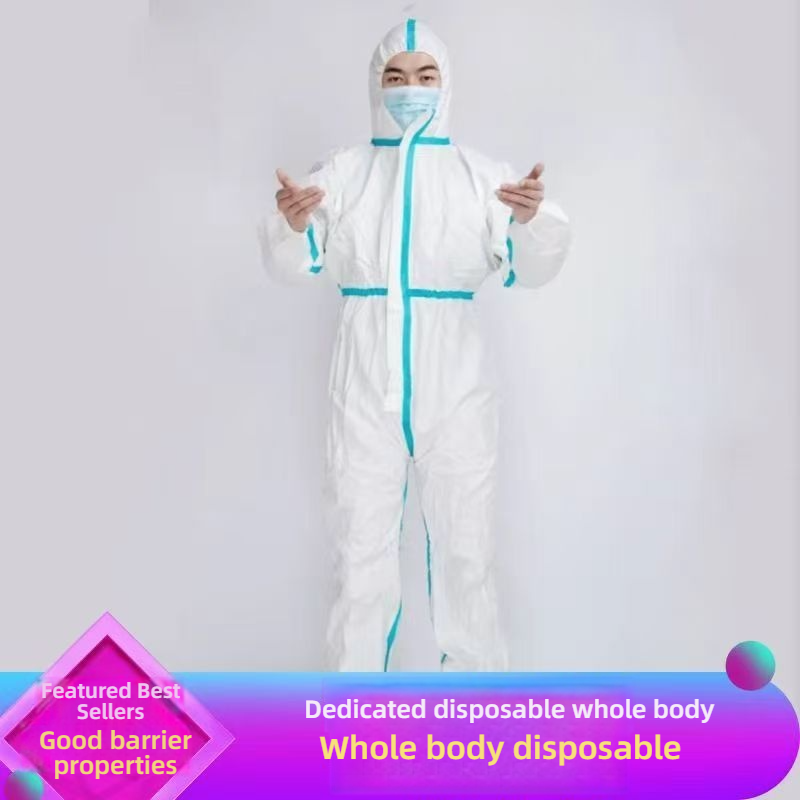
Anti-static and dust-proof overall suits are used in various fields.
Anti-static and dust-proof overall suits, due to their unique functional properties, are widely used in various industries and fields. The following is a detailed description of their specific application areas:
-
Electronics Manufacturing: Anti-static and dust-proof overall suits are essential protective gear. They effectively prevent the accumulation of static electricity, reducing the risk of static damage to electronic components during assembly and testing, ensuring product quality.
-
Pharmaceutical Industry: Dust-proof overall suits protect medications from dust contamination, maintaining the purity of the drugs and ensuring their quality and safety.
-
Aerospace Field: Astronauts need to wear anti-static and dust-proof overall suits during space missions to prevent dust from entering the spacecraft interior, affecting equipment performance and astronaut health.
-
Petroleum and Chemical Industry: These suits protect workers from hazards such as oil and gas leaks, chemical vapors, and also prevent static electricity from causing fires or explosions.
-
Food Processing Industry: The use of overall suits helps prevent dust and bacteria from contaminating food, ensuring food safety.
-
Medical Environments: In surgical environments, such as operating rooms, anti-static and dust-proof overall suits reduce the risk of cross-infection by healthcare workers during surgical procedures.
-
Laboratory Settings: These suits aid in maintaining the accuracy of experiments by preventing the of chemicals or powders that could lead to experimental errors.
-
Automotive Manufacturing and Maintenance: Anti-static and dust-proof overall suits protect against static electricity affecting automotive electronic components and also shield workers from hazards such as paint and resins.
-
Precision Instrument Manufacturing and Maintenance: The application of these suits is crucial in preventing static electricity from damaging precision instruments, ensuring the normal operation of equipment.
-
Printing Industry: Anti-static and dust-proof overall suits prevent static electricity from affecting the quality of printed materials, ensuring the accuracy of printing effects.
-
Warehouse and Logistics Industry: These suits protect goods from static electricity and dust damage, enhancing logistics efficiency.
-
Archaeological Excavation Sites: Anti-static and dust-proof overall suits protect archaeologists from dust and static interference, ensuring the smooth progress of archaeological work.
-
Military Field: These suits provide protection for soldiers against static and dust hazards in extreme environments.
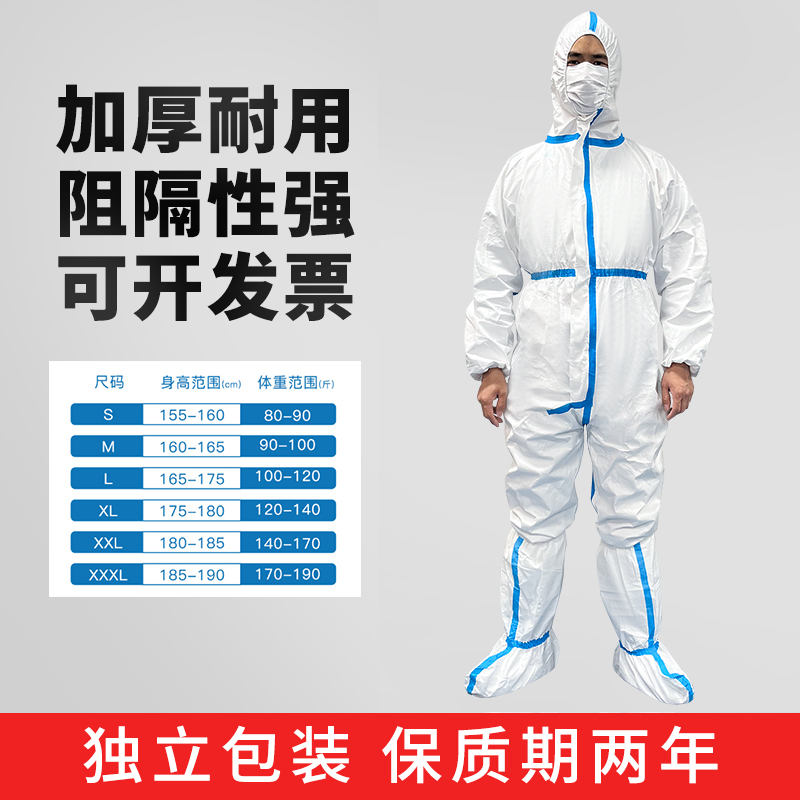
Pay attention to the following precautions when using antistatic and dust-proof coveralls:
When wearing anti-static and dust-proof overall suits, the following precautions should be strictly adhered to:
-
Ensure the suit is intact: Check all parts of the overall suit, such as the cuff, collar, and leg openings, to ensure there are no tears or openings to prevent the entry of static electricity and dust.
-
Proper wearing: When putting on the suit, start with the gloves, then wear the overall suit, and finally, put on the hat. This helps to avoid direct hand contact with the clothing, reducing the generation of static electricity.
-
Avoid friction: Minimize contact with hard or rough surfaces during the wearing process, such as metals or rubber products, to prevent the generation of static electricity.
-
Keep dry: The overall suit should be kept dry to avoid sweat and moisture, as damp clothing can increase the generation of static electricity.
-
Avoid static discharge: During wear, avoid direct contact with others or objects to prevent static discharge that could cause harm or damage equipment.
-
Regular cleaning: Clean the overall suit regularly based on frequency of use to remove dust and static electricity that may be attached to the clothing.
-
Use specialized detergent: When cleaning, use detergent specifically designed for anti-static and dust-proof clothing, avoiding the use of ordinary laundry detergent or fabric softener, as these can damage the performance of the clothing.
-
Avoid high-temperature drying: After cleaning, air dry or use a low-temperature dryer; high-temperature drying may damage the anti-static properties of the clothing.
-
Storage environment: Store the overall suit in a dry, cool place away from direct sunlight to prevent degradation of the suit’s performance.
-
Regular inspection: Regularly check the performance of the overall suit, such as static testing, to ensure the suit remains in good working condition.
-
Personal hygiene: Maintain personal hygiene while wearing the overall suit, avoiding oils, cosmetics, and other substances that may attach to the clothing and affect the anti-static effect.
-
Adhere to operational procedures: In specific industries or environments, such as semiconductor manufacturing or electronic equipment assembly, strictly adhere to relevant operational procedures to ensure the correct use of the overall suit.
By following these precautions, the safety of both the person wearing the anti-static and dust-proof overall suit and the environment can be effectively ensured, as well as the proper operation of equipment.

Market trends and future outlook
Anti-static and Dust-proof Full Body Suits in Manufacturing:
The materials used in the manufacturing process of anti-static and dust-proof full body suits possess the following characteristics:
-
Static Shielding: Primarily made of conductive fibers or synthetic fibers with added conductive particles, such as polyester and nylon, to reduce the accumulation of static electricity on the surface of the clothing, preventing static discharge that could cause fires or affect the normal operation of precision electronic equipment.
-
Dust Resistance: Selected for their breathable properties, dust-proof fabrics like polyester or polypropylene fibers ensure the clothing provides good dust protection, preventing dust from entering the work area.
-
Comfort: The fabric is treated for good skin friendliness, reducing friction and discomfort during wear, providing a comfortable wearing experience.
-
Washable and Reusable: Made from washable materials, anti-static and dust-proof full body suits can be washed multiple times, maintaining the cleanliness and hygiene of the clothing.
-
Safety: The clothing design conforms to human ergonomics, ensuring ease of movement for the wearer during work, and includes reflective strips or reflective markings to enhance visibility in low light or at night.
-
Easy to Put On and Take Off: The clothing design is simple, featuring convenient fasteners like zippers or magnetic closures to reduce the time spent on dressing.
Applications of Anti-static and Dust-proof Full Body Suits:
The applications of anti-static and dust-proof full body suits are widespread, and the following are several main scenarios:
-
Electronics Manufacturing: To prevent static damage to products during the production of semiconductor, integrated circuits, and electronic components in precision electronic product manufacturing.
-
Healthcare: In operating rooms, laboratories, and other environments requiring sterile operations, to prevent the entry of dust and bacteria.
-
Dusty Work: In industries such as chemicals, food processing, and pharmaceuticals, to prevent dust from harming workers or the environment.
-
Environmental Protection: In areas such as waste disposal and wastewater treatment, to prevent harmful substances from affecting the health of workers.
-
Warehouse and Logistics: In warehousing and logistics industries, to prevent dust and static electricity from affecting items.
Points to Note When Using Anti-static and Dust-proof Full Body Suits:
-
Proper Wear: Ensure the clothing is intact without any rips or tears to avoid static discharge through breaches.
-
Avoid Friction: Minimize friction with objects like chairs, floors, and others during wear to reduce static accumulation.
-
Regular Inspection: Regularly check the anti-static properties of the clothing to ensure effective protection.
-
Maintenance and Cleaning: Clean and maintain the clothing according to the product instructions to keep the anti-static properties intact.
-
Avoid Contact with Conductive Objects: When wearing anti-static clothing, avoid contact with metallic objects to prevent affecting the anti-static effect.
Market Trends and Future Outlook:
-
Technological Innovation: With the emergence of new materials and technologies, the performance of anti-static and dust-proof full body suits will continue to improve.
-
Enhanced Environmental Awareness: With the increasing awareness of environmental protection, the application of anti-static and dust-proof full body suits in the environmental protection sector will become more widespread.
-
Expanding Market Demand: As the requirements for production safety and environmental protection in various industries increase, the demand for anti-static and dust-proof full body suits will continue to grow.
-
International Development: With the continuous development of international trade, anti-static and dust-proof full body suits will enter the international market to meet the needs of global customers.