Disposable Boot Covers: IT with Convenience and Environmental Considerations
With the widespread application in both industrial and daily life, Boot Covers have emerged as an essential protective gear, highlighting their growing importance. This article aims to explore the characteristics, application scenarios, material selection, usage and maintenance, as well as market trends of disposable Boot Covers, providing readers with a comprehensive perspective on this product.
Boot Covers Introduction
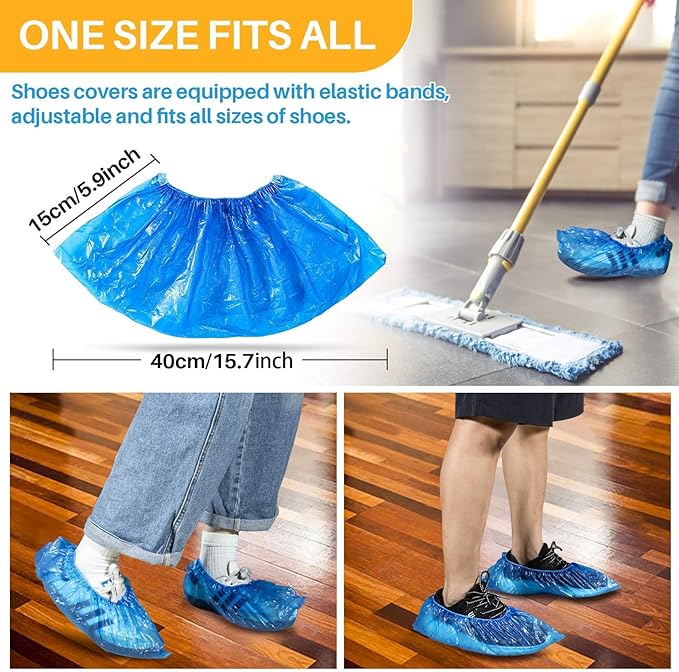
Boot Covers, as the name implies, are products designed to protect footwear, primarily serving the purpose of protection and isolation. They are typically made from durable materials such as plastic, rubber, or PVC, offering functionalities like waterproofing, stain resistance, and dust protection. In industrial production, construction sites, medical environments, and specific daily life scenarios, Boot Covers provide convenience and protection for the wearer.
The design of Boot Covers is usually simple and practical, allowing them to be easily slipped over shoes without hindering movement and effectively isolating external pollutants and hazards. These products are shaped to match the footwear, with some featuring adjustable elastic bands to accommodate different shoe sizes.
Disposable Boot Covers are a specific type of Boot Covers characterized by their single-use nature. After use, they can be discarded, which reduces the steps of repeated cleaning and disinfection, making them particularly suitable for high-sanitation requirements in environments such as healthcare and food processing industries.
The main features of Disposable Boot Covers include:
- Convenience: No need for cleaning and maintenance, as they can be discarded after use, saving time and effort in the handling process.
- Cost-effectiveness: Due to their low cost, they are suitable for large-scale use and can effectively control costs.
- Hygiene: They can effectively prevent the spread of bacteria, viruses, and dirt, ensuring workplace and personal health.
- Environmental friendliness: Although disposable, modern materials and production processes have improved their biodegradability, reducing their impact on the environment.
In practical applications, Disposable Boot Covers play a significant role in various fields. For example, on construction sites, workers can wear Boot Covers to avoid damage to their shoes from materials like mud and cement, while also reducing environmental impact. In the medical field, healthcare workers can use Boot Covers to prevent cross-contamination and ensure medical safety.
The materials and manufacturing processes of Disposable Boot Covers are also continuously advancing. Some products use biodegradable materials with the aim of reducing long-term environmental impact. At the same time, to accommodate different shoe styles and sizes, the design of Disposable Boot Covers is becoming more diverse.
As people’s awareness of health and environmental protection increases, the demand for Disposable Boot Covers continues to grow. In the future, this field is expected to see more innovative products and technologies to meet a wider range of market needs.
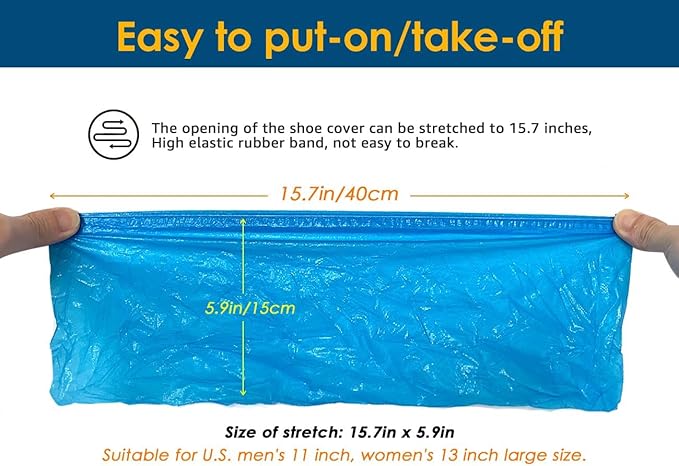
One-time Boot Covers characteristics
Sex Boot Covers have earned a place in the market due to their unique attributes, which are as follows:
- They offer quick and easy donning and doffing without complex steps, saving time.
- Made of lightweight, soft, and durable materials such as plastic or special fibers, they are not easily damaged, weigh little, and are comfortable to wear.
- They have significant waterproof and dustproof properties, effectively protecting footwear from external harsh environments.
- The design is flexible, offering various sizes to accommodate different shoe types and meet the needs of different users.
- They are disposable, requiring no cleaning or maintenance, simplifying subsequent handling.
- They have a certain degree of durability, being disposable but reusable in specific environments, thus extending their service life.
- Environmental performance is gradually improving, with many disposable Boot Covers made from biodegradable materials, reducing their impact on the environment.
- They are economically priced, being more cost-effective compared to reusable Boot Covers.
- They are easy to carry, foldable or rollable for convenient storage in backpacks or toolboxes.
- They come in a variety of designs to meet aesthetic needs for different occasions and users.
- They have certain chemical resistance, making them suitable for use in areas where chemicals are handled, protecting footwear from corrosion.
- They are applicable to various industries such as construction, chemicals, and healthcare, meeting the protective needs of different working environments.
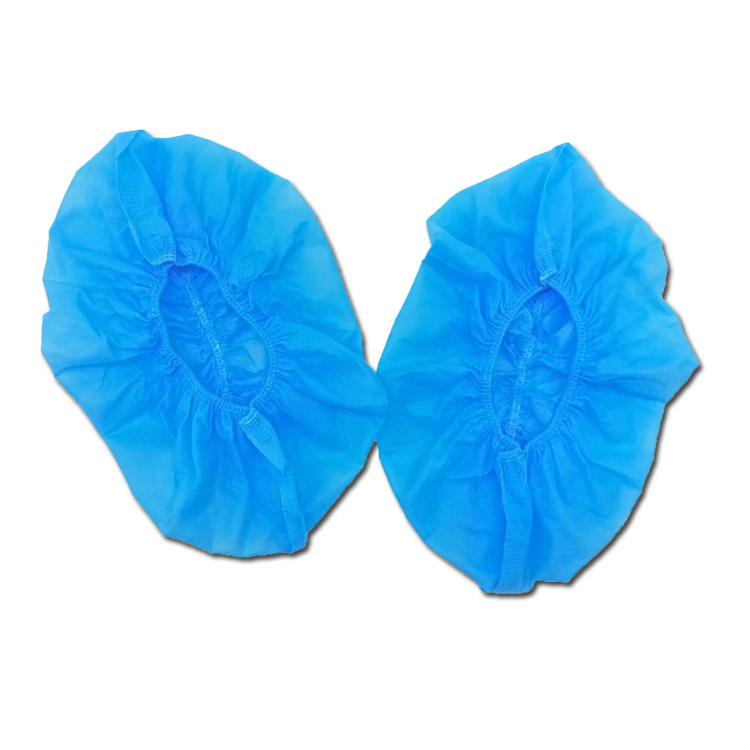
Application scenarios and advantages
Boot Covers are widely used in various scenarios, and their advantages are quite evident:
- On construction sites, Boot Covers effectively isolate mud and moisture, protecting workers’ shoes and socks, reducing the frequency of replacement, and improving work efficiency.
- In medical environments, Boot Covers are used to prevent cross-infection and isolate pathogens, ensuring the safety of healthcare workers and patients.
- In the logistics field, Boot Covers prevent the contamination of goods during handling, maintaining product cleanliness, and enhancing brand image.
- During home renovations, Boot Covers protect the floor from stains caused by cement, paint, and other substances, simplifying cleaning tasks.
- When traveling, Boot Covers prevent stains from luggage from soiling clothing, keeping luggage tidy.
- In the catering industry, Boot Covers are used by chefs and staff to reduce the accumulation of ground oil, making cleaning easier.
- In agricultural activities, Boot Covers protect the soles of shoes, reducing soil damage, and also prevent contamination of crops.
Advantages include:
- Convenience: Single-use Boot Covers require no cleaning or maintenance, can be discarded after use, and greatly save time on cleaning and maintenance.
- Economic Efficiency: Compared to reusable Boot Covers, single-use products are more cost-effective, especially when frequent replacements are needed.
- Sanitary: Single-use Boot Covers remain in a brand new state after each use, effectively preventing the spread of bacteria and viruses.
- Versatility: A variety of sizes and styles are available to meet the needs of different individuals and occasions.
- Environmental Friendliness: Although single-use products, some Boot Covers are made from biodegradable materials, reducing their impact on the environment.
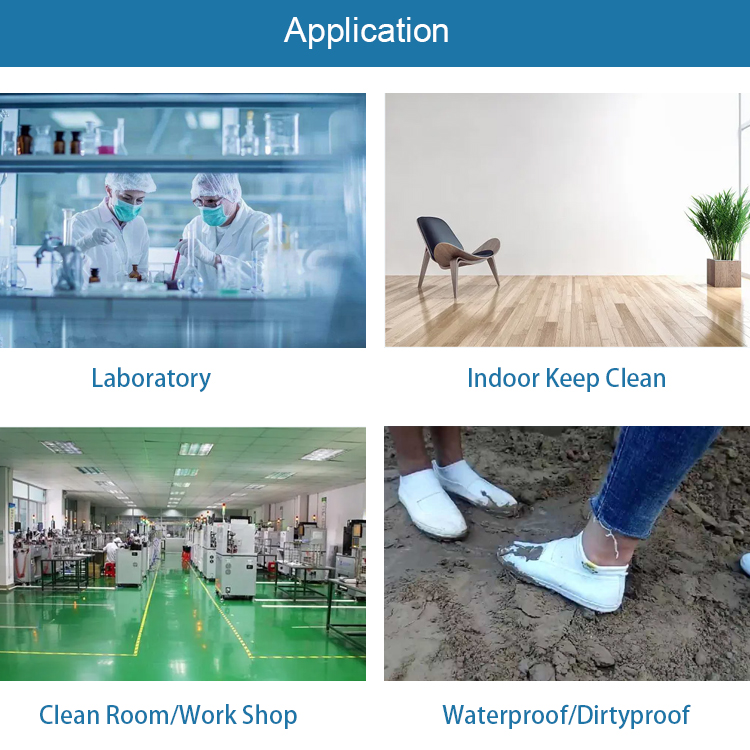
Material Selection and Environmental Considerations
The following is the translation of the content into English:
In terms of material selection, Boot Covers prioritize practicality while also taking into account environmental concerns. Here are several aspects of material selection and environmental considerations:
-
Lightweight Materials: One-time Boot Covers are typically made from lightweight materials such as polyethylene (PE) or polypropylene (PP), which are portable, convenient to use, and have good waterproof properties.
-
Durability: Although they are disposable products, the durability of Boot Covers is also a significant design consideration. The materials must have certain tear and puncture resistance to ensure effective protection of the shoe soles in harsh environments.
-
Anti-slip Design: To enhance the user experience, Boot Covers often have anti-slip textures on the bottom to increase friction with the ground, preventing the user from slipping while walking.
-
Biodegradable: With the increasing awareness of environmental protection, more Boot Covers are made from biodegradable materials, such as biodegradable plastics. These materials can decompose naturally, reducing the long-term impact on the environment.
-
Non-toxic and Harmless: The materials used in Boot Covers must undergo strict testing to ensure that no harmful substances are released during use, protecting user health.
-
Recyclable: Some Boot Covers are designed to be recyclable, allowing for post-consumer recycling to further reduce environmental impact.
-
Color Selection: To minimize environmental impact, Boot Covers tend to use eco-friendly pigments for color selection, avoiding pigments containing heavy metals to lower pollution risks.
-
Packaging Design: The packaging of one-time Boot Covers also adheres to environmental principles, using recyclable or biodegradable packaging materials to reduce waste from plastics and other non-environmentally friendly materials.
-
Reduction of Waste: By precise calculation and optimized design, Boot Covers are designed to reduce material usage while maintaining functionality, thereby minimizing resource waste during production.
-
Life Cycle Assessment: During the product design and production process, a life cycle assessment is conducted for Boot Covers, ensuring that all stages from raw material sourcing, production, use, to final disposal comply with environmental standards.
Through these measures of material selection and environmental considerations, one-time Boot Covers not only meet user needs but also strive to reduce environmental impact, reflecting the corporate social responsibility of the enterprise in sustainable development.
User and Maintenance Manual
-
Proper Wear: When using Boot Covers, ensure they are fully covering the footwear without any gaps to maintain the protective effect. Pay attention to adjust the tightness so that they are neither too tight to cause discomfort nor too loose to compromise the protection.
-
Inspection for Integrity: After wearing Boot Covers, carefully inspect the covering for any signs of damage or wear. Ensure that there is no exposed skin to the outside. If any damage is found, replace the Boot Covers with new ones promptly.
-
Cleaning and Maintenance: Boot Covers may accumulate dirt or dust during use, and it is recommended to clean them regularly. Use a damp cloth to gently wipe them, avoiding solvents or strong acidic/alkaline cleaning agents that could damage the covering material.
-
Storage Environment: Store Boot Covers in a dry and well-ventilated area when not in use, away from direct sunlight and high temperatures and humidity. Avoid contact with hard objects to prevent deformation or damage.
-
Regular Replacement: Although Boot Covers are disposable, they may need to be replaced early depending on the frequency and duration of use. If the protective effectiveness of the Boot Covers decreases, replace them with new covers immediately.
-
Safety Precautions: When using Boot Covers, pay attention to personal safety and avoid slipping or falling due to the Boot Covers sliding or coming off during walking or operation.
-
Maintenance Schedule: The maintenance schedule for Boot Covers may vary depending on the working environment. Generally, clean them once a week and check their integrity once a month to ensure the protective effectiveness of the Boot Covers.
-
Use in Special Environments: When using Boot Covers in special environments such as chemical laboratories or construction sites, choose suitable disposable Boot Covers according to specific requirements and use them strictly in accordance with relevant regulations.
-
Waste Disposal: Used Boot Covers should be disposed of according to local environmental protection regulations to avoid causing environmental pollution from improper disposal.
-
Personal Hygiene: The wearing and maintenance of Boot Covers also concern personal hygiene. It is recommended that users pay attention to personal hygiene habits during use to reduce the risk of cross-infection.
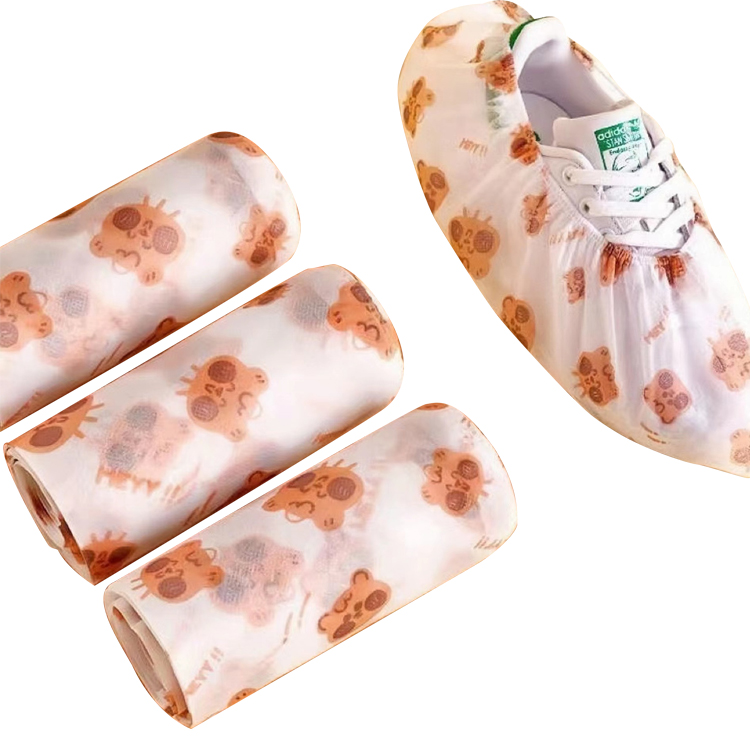
Market trends and future development
Sexual Boot Covers, due to their convenience and practicality, are widely used in various fields. The following is a detailed guide for their use and maintenance:
- Proper Wear: When using disposable Boot Covers, make sure to fully insert the foot into the covers and tighten the fastening strap to ensure that the Boot Covers fit tightly against the shoe surface, preventing them from falling off while walking.
- Avoid Twisting: During the wearing process, avoid twisting the Boot Covers to prevent affecting the effectiveness and comfort.
- Adapt to Different Shoes: There are various disposable Boot Covers available on the market that can accommodate different shoe sizes and shapes. Users can choose suitable products according to their needs.
- Usage Timing: Boot Covers are suitable for scenarios where shoe soles need to be protected from contamination or wear, such as rainy and snowy weather, construction sites, agricultural labor, and other similar situations.
- Cleaning and Maintenance: After use, Boot Covers do not require special cleaning and can be discarded. If they are to be reused, ensure that the Boot Covers are dry and free from damage.
- Storage Conditions: Unused disposable Boot Covers should be stored in a dry, well-ventilated environment, away from direct sunlight and moisture.
- Environmental Protection: Boot Covers are usually made from biodegradable materials and should be disposed of according to local environmental regulations to avoid environmental pollution.
- Avoid Prolonged Wear: Prolonged continuous wearing of Boot Covers can cause feet to sweat, affecting comfort. It is recommended to replace them as needed based on the situation.
- Adapt to Different Occasions: The design of Boot Covers considers the needs of different occasions, such as oil resistance, anti-slip, and dust prevention. Users can choose the appropriate type according to specific occasions.
- Safety Precautions: In certain situations, such as high-altitude work or dangerous areas, Boot Covers may not provide sufficient protection, and other safety equipment should be used in conjunction.
In terms of market trends, disposable Boot Covers are developing in the following directions:
- Material Innovation: With the advancement of technology, Boot Covers will be made of more environmentally friendly and durable materials while maintaining their lightness and ease of wearing.
- Function Diversification: Future disposable Boot Covers will have more functions, such as antibacterial and electrostatic prevention, to meet the needs of more specific industries.
- Design Personalization: To meet consumers’ personalized needs, the design of Boot Covers will be more diverse, with more colors and patterns.
- Environmental Protection Ideology: With the increasing awareness of environmental protection, the production and consumption of disposable Boot Covers will pay more attention to environmental protection, reducing their impact on the environment.
- Market Segmentation: As the application fields expand, the market for disposable Boot Covers will become more segmented, with products that are more precise for different industries and user groups.
Overall, disposable Boot Covers will maintain their important position in the market and will continue to optimize and upgrade with technological progress and changes in consumer demand.