Do They Remove Your Gown in the Operating Room: It’s All About Safety and Comfort
In the surgical process, the safety and comfort of the patient are crucial. The postoperative recovery and care are key to ensuring the patient’s smooth recovery. This article will discuss how healthcare professionals can provide meticulous care to patients during the postoperative recovery period to promote their overall physical and psychological recovery.
Operating Room Gowning Procedure Overview
Before entering the operating room, medical staff must follow a series of strict dressing procedures to ensure a sterile environment in the surgical area. The following is an overview of the surgical dressing process:
-
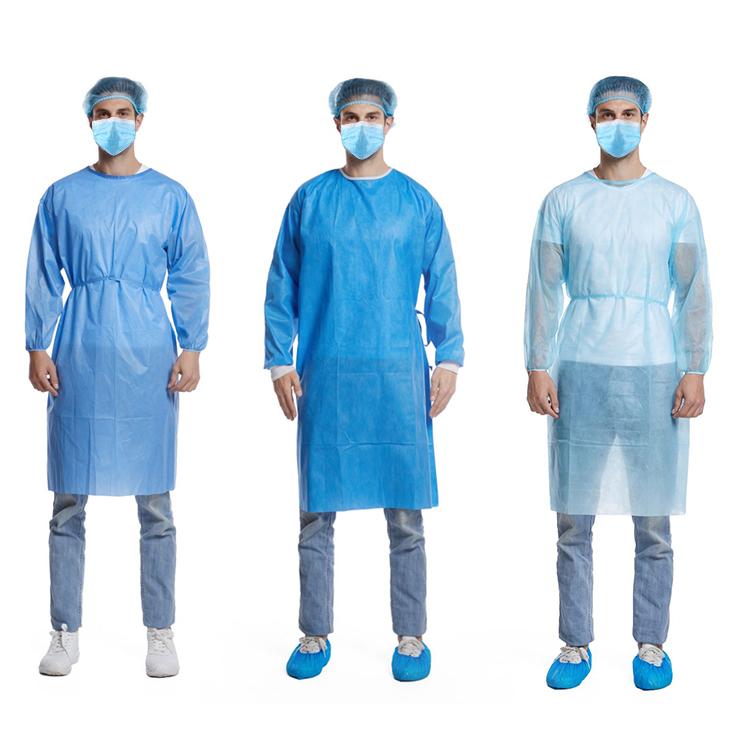
Pre-surgical PreparationMedical staff must first change into personal attire in the dressing room before entering the operating room, ensuring that no items that could potentially contaminate the surgical environment are carried. This step includes removing everyday clothing and putting on the hospital-provided surgical attire, hat, shoes, and mask.
-
Hand HygieneDuring the dressing process, medical staff must undergo thorough hand cleaning. This usually involves washing hands with soap and water or using an alcohol-based hand sanitizer to reduce the risk of bacterial transmission.
-
Dressing in Surgical AttireMedical staff must wear surgical attire in the dressing room according to the prescribed steps. The surgical attire should cover the entire body, leaving only the hands and head exposed. When dressing, attention should be paid to the inside of the clothing facing outwards, avoiding hand contact with the inside of the clothing.
-
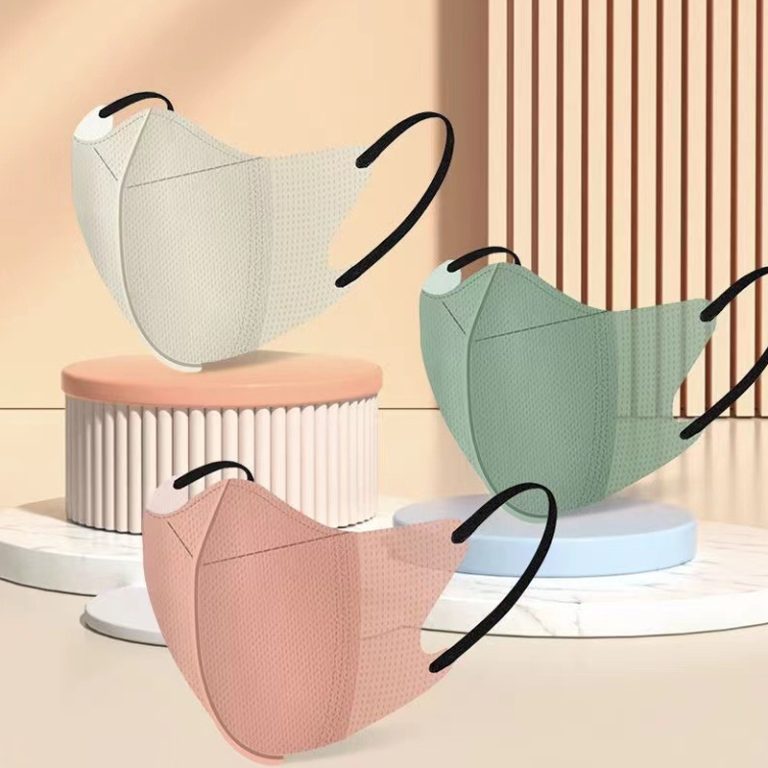
Head and Facial ProtectionTo prevent bacteria from the hair and facial skin from entering the surgical area, medical staff must wear surgical hats and masks. The surgical hat should cover all hair, and the mask should fit tightly over the face, covering the mouth and nose.
-
Wearing Surgical ShoesSurgical shoes are a special protective shoe for the operating room, typically disposable. Medical staff must wear surgical shoes to ensure that the feet are not contaminated.
-
GlovesBefore entering the operating room, medical staff must put on surgical gloves. The wearing of gloves also requires attention to the inside and outside of the gloves, with the inside usually being the sterile side and the outside the contaminated side.
-
Operating Room Item TransferAfter entering the operating room, medical staff must receive surgical instruments and medications through a delivery cart or a transfer window to avoid direct contact with the surgical area.
-
Operating Room Behavior StandardsInside the operating room, medical staff must follow strict operational procedures, including speaking softly, gentle movements, and not touching items outside the surgical area.
-
Post-surgical DisposalAfter the surgery is completed, medical staff must remove the surgical attire, hat, shoes, and gloves according to the prescribed procedure and perform hand cleaning in the dressing room for use in the next surgery.
The entire operating room dressing process is designed to ensure the safety of both medical staff and patients, reducing the risk of surgical infection. Through this series of strict sterile operations, the operating room can provide a clean and safe surgical environment.
The necessity of removing surgical gowns
-
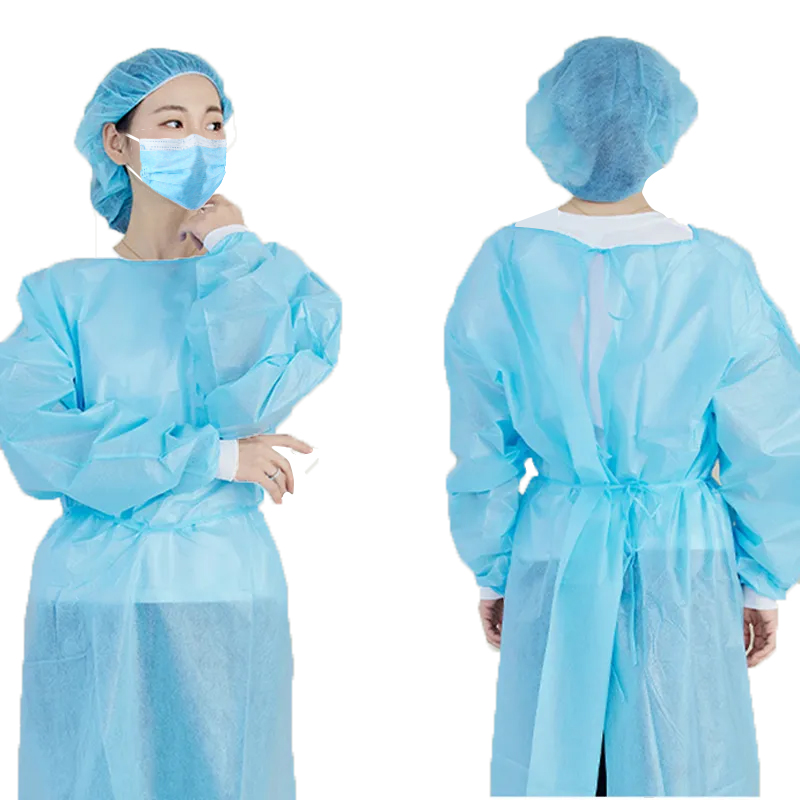
Preventing Cross-Infection: Surgical gowns serve as personal protective equipment for medical staff during surgical procedures, designed to block the spread of bacteria and viruses. Proper removal of surgical gowns is crucial for maintaining a clean surgical environment and preventing cross-infection.
-
Protecting Patient Privacy: During surgery, medical staff come into direct contact with patients’ bodies. Removing surgical gowns and switching to regular work attire helps protect patient privacy and avoid unnecessary exposure.
-
Facilitating Postoperative Care: After surgery, patients require postoperative care. Removing surgical gowns allows medical staff to more easily observe postoperative conditions, perform wound care, and monitor vital signs.
-
Enhancing Work Efficiency: With the surgical gown removed, medical staff can quickly transition to postoperative care tasks, reducing time lost due to clothing changes and improving overall efficiency.
-
Adapting to Different Work Scenarios: Surgical gowns are suitable only for the operating room environment, whereas medical staff may need more comfortable and mobile attire for work outside of the operating room. Removing surgical gowns helps medical staff adapt to different work requirements.
-
Reducing Resource Waste: Surgical gowns are disposable, and their removal after use helps avoid resource waste that could occur from reuse.
-
Ensuring Health of Medical Staff: Removing surgical gowns allows medical staff to avoid prolonged wear of non-breathable protective gear, reducing sweat accumulation and the risk of skin diseases.
-
Complying with Hygiene Regulations: According to relevant hygiene standards in medical institutions, the removal of surgical gowns is an indispensable part of the surgical procedure, ensuring the sanitation and safety of the operating room environment.
In summary, the removal of surgical gowns is of great significance in maintaining surgical room hygiene, protecting the health of patients and medical staff, and improving work efficiency. Therefore, during surgical procedures, medical staff must strictly adhere to operational standards to ensure the smooth removal of surgical gowns.
Please provide the specific steps for undressing in an operating room.
Certainly, here is the translation of the content into English:
In the operating room, the specific steps for removing the operating gown are as follows:
-
Clean HandsBefore removing the gown, healthcare professionals must ensure their hands are clean. This is typically done by thoroughly washing with soap and running water, or by using an alcohol-based hand sanitizer to reduce the risk of infection during the surgical procedure.
-
Inform the PatientHealthcare professionals will inform the patient of the gown removal process, ensuring they understand and cooperate. During the operation, efforts are made to protect the patient’s privacy.
-
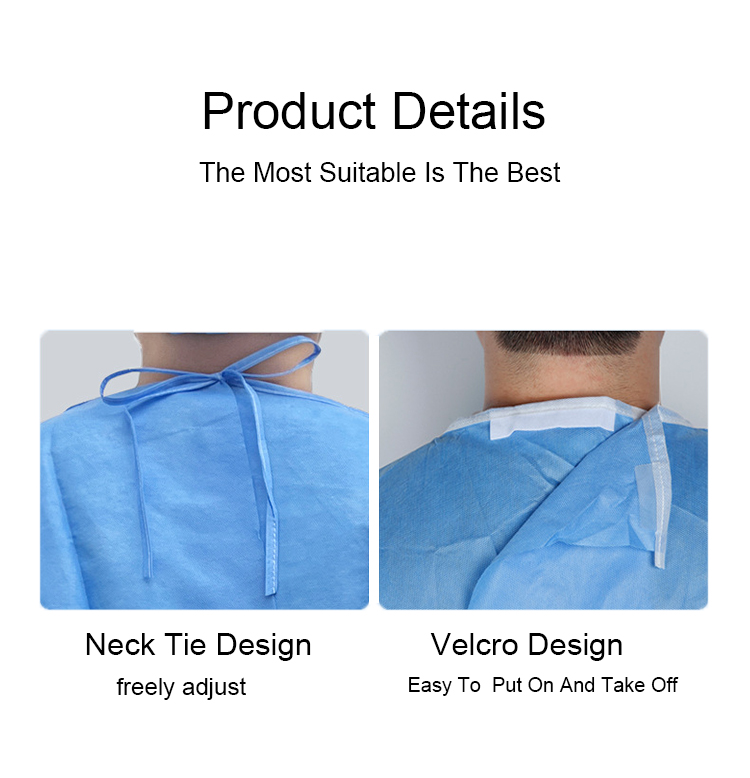
Unfasten the Belt and CollarThe patient needs to unfasten the belt and collar of the operating gown to facilitate removal. At this point, the healthcare professional will stand on the patient’s side to assist.
-
Gently Remove the Operating GownThe patient pulls the upper part of the gown down, and the healthcare professional assists in pulling the arms out of the sleeves. Then, the patient pulls the lower part of the gown down, and the healthcare professional assists in removing it.
-
Check and Remove Personal ItemsDuring the gown removal process, healthcare professionals check for any personal items the patient may have, such as jewelry, watches, glasses, etc., and ensure these items have been removed prior to surgery.
-
Check Skin ConditionAfter removing the gown, healthcare professionals check the patient’s skin for any injuries, infections, or other abnormalities, ensuring there are no issues in the surgical area.
-
Put on the Operating GownThe patient needs to change into a specialized operating gown, which usually comes in long-sleeve and short-sleeve styles, with the appropriate type chosen based on the type of surgery. Healthcare professionals assist in putting it on, ensuring the gown fits snugly against the body with no excess fabric.
-
Adjust the Collar and SleevesAfter wearing the gown, healthcare professionals check that the collar is neat and the sleeves are a good fit to ensure they do not hinder the operation during surgery.
-
Put on the Operating Cap and MaskThe patient must wear a surgical cap and mask to prevent hair and respiratory secretions from contaminating the surgical area. Healthcare professionals assist in adjusting them to ensure full coverage.
-
Complete DisinfectionDuring the gown removal process, healthcare professionals re-disinfect the surgical area to ensure the operating environment remains sterile.
-
Check and Confirm CorrectnessAfter all gown removal steps are completed, healthcare professionals check the patient’s attire again to ensure the surgical gown, cap, mask, and other items are worn correctly with no omissions.
Through these steps, the patient in the operating room completes the gown removal process, preparing for the upcoming surgical procedure.
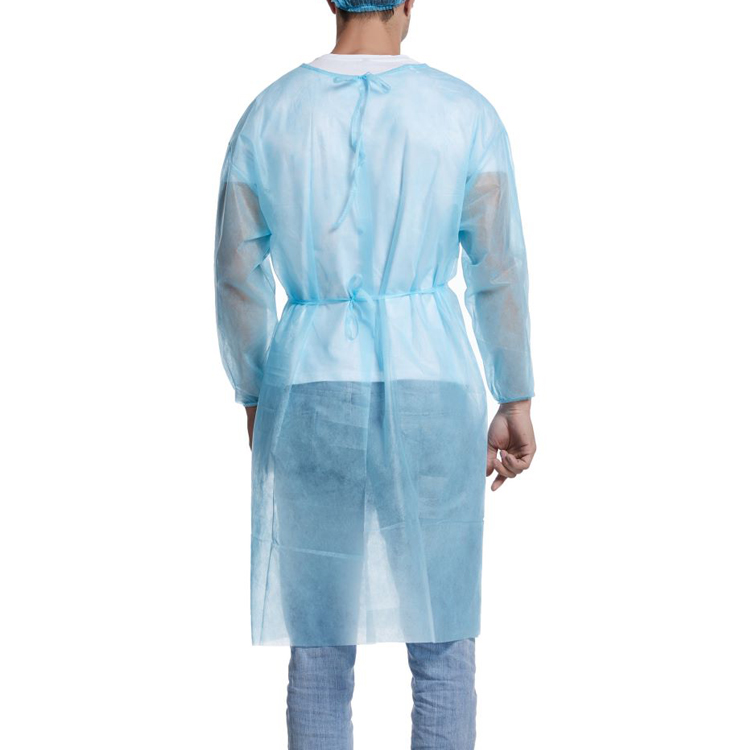
Medical Safety and Privacy Protection
In the operating room, ensuring medical safety and patient privacy protection is crucial. The following are specific measures to be taken:
-
Strict Sterile Operation: The operating room environment must be kept highly clean, and all personnel entering the operating room must wear sterile surgical gowns, caps, masks, and gloves. Additionally, all surgical instruments and equipment must be subjected to rigorous disinfection before use to prevent cross-contamination.
-
Standardized Attire for Medical Staff: Before entering the operating room, medical staff must change into specialized surgical attire to avoid introducing bacteria and viruses from the outside. The surgical attire must meet sterile requirements and should be worn without touching non-sterile areas.
-
Patient Privacy Protection: In the operating room, medical staff will cover the patient’s sensitive body parts to ensure that the patient’s privacy is not violated. During the surgery, surgical drapes and screens are used to isolate the patient’s body from the outside world.
-
Information Management: The operating room uses an electronic medical record system, and medical staff must record detailed patient information during surgery, including name, age, gender, and surgical site. Moreover, surveillance cameras in the operating room can record the surgical process in real-time, facilitating subsequent review and analysis.
-
Rational Layout of the Operating Room: The internal layout of the operating room must meet sterile requirements, with the layout of operation tables, instrument cabinets, and other facilities being reasonable for easy operation. The internal corridors are spacious to ensure that medical staff can quickly evacuate in emergencies.
-
Regular Training and Assessment: Operating room medical staff must receive regular training on sterile operations and privacy protection, and pass assessments to ensure that they strictly adhere to relevant standards in practice.
-
Emergency Preparedness Plan: The operating room has an established emergency preparedness plan to address unexpected situations. In cases of patient anaphylaxis, intraoperative bleeding, and other emergencies, medical staff must take immediate appropriate measures to ensure patient safety.
-
Postoperative Care for Patients: After surgery, medical staff must provide necessary postoperative care for patients, including pain management and psychological counseling, to help patients recover as quickly as possible.
Through these measures, the operating room has achieved significant results in ensuring medical safety and patient privacy protection. This not only helps to increase the success rate of surgeries but also provides patients with a more comfortable healthcare experience.
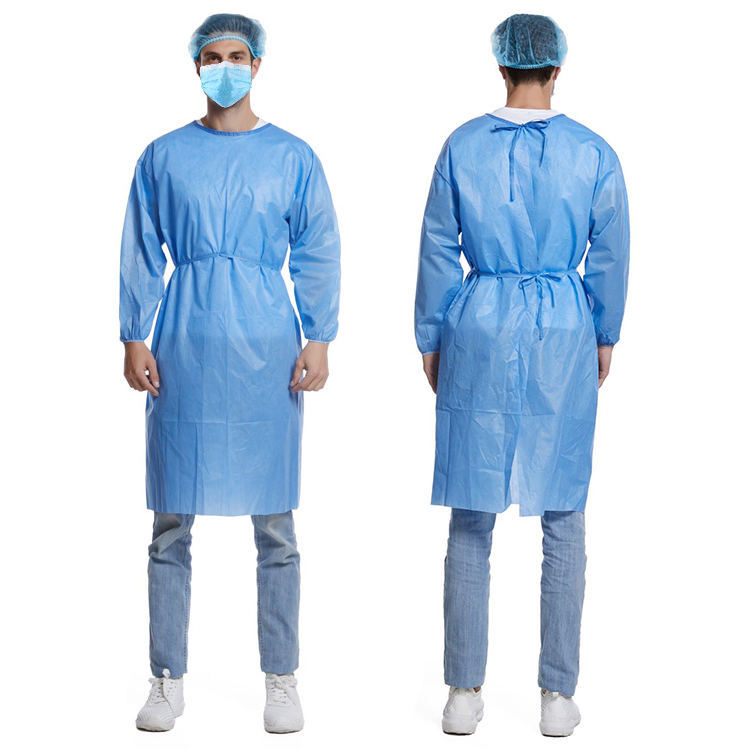
Patient postoperative recovery and nursing
During the postoperative recovery period, meticulous nursing care is essential to ensure the patient’s health and safety. The following are several key aspects of postoperative recovery and nursing:
-
Monitoring Vital SignsAfter surgery, medical staff will closely monitor the patient’s vital signs such as body temperature, heart rate, breathing, and blood pressure. These indicators help assess the patient’s physical condition and allow for the timely detection and management of potential complications.
-
Pain ManagementPostoperative pain is a common issue during the recovery process. Medical staff will administer appropriate analgesics based on the patient’s level of pain, which may include oral, injectable, or adhesive forms, to alleviate the patient’s suffering.
-
Nutritional SupportPostoperative patients require adequate nutrition to support their recovery. Medical staff will develop a reasonable dietary plan based on the patient’s specific condition to ensure they receive sufficient protein, vitamins, and minerals.
-
Prevention of InfectionPostoperative infection is a significant factor affecting patient recovery. Medical staff will take the following measures to prevent infection:
- Keep the wound clean and change dressings regularly;
- Adhere to sterile techniques to prevent cross-infection during surgery;
- Administer antibiotics to prevent infection, adjusting medication based on the patient’s specific circumstances.
-
Functional ExercisePostoperative functional exercise helps patients recover limb function more quickly. Medical staff will guide patients in appropriate exercises, such as joint movements and muscle stretching, based on the surgical site and the extent of recovery.
-
Psychological CarePostoperative patients may face psychological stress such as anxiety and fear. Medical staff should pay attention to the patient’s mental state, provide psychological support and encouragement, and help patients build confidence.
-
Rest and SleepEnsuring adequate rest and sleep is crucial for postoperative recovery. Medical staff will create a comfortable and quiet resting environment for patients to help them recover their strength as quickly as possible.
-
Regular Follow-upAfter surgery, patients need to follow medical advice for regular follow-up visits to allow medical staff to understand the recovery progress and adjust the treatment plan accordingly.
-
Postoperative Nursing EducationMedical staff will instruct patients and their families on postoperative nursing knowledge, including dietary, medication, and exercise precautions, to enhance the patients’ self-care abilities.
-
Social SupportDuring the postoperative recovery period, patients may require support from their family and society. Medical staff will encourage patients to maintain contact with their family and friends to help them through the recovery period together.
Through these nursing measures, patients are expected to recover healthily and return to daily life and work as soon as possible.