IT Guide to Choosing and Using Oil Proof Gloves with Q&A
Oil-resistant gloves are an essential non-public protecting gadget in each commercial and daily existence settings, and their choice and use at once have an effect on paintings protection and performance. the subsequent will provide a detailed advent to the relevant situations for oil-resistant gloves, as well as how to properly choose, use, and maintain these gloves.
Oil Stain Protective Gloves Overview
Oil-proof gloves, as the name implies, are protective gear specifically designed to prevent hands from coming into contact with oil. They are widely used in industrial fields such as petrochemicals, mechanical manufacturing, and automotive repair, as well as in environments requiring cleanliness, such as catering and food processing. The primary function of oil-proof gloves is to isolate hands from oils, thus protecting the skin from oil damage while ensuring the safety of operators and the hygiene of products.
Oil-proof gloves come in a variety of materials, with common types including natural latex, PVC (polyvinyl chloride), rubber, and polyurethane. These materials offer different characteristics and application ranges. Natural latex gloves are soft and comfortable, with good elasticity and tear resistance, making them suitable for general oil protection; PVC gloves are cost-effective and durable, suitable for environments with chemical corrosion resistance; rubber gloves are widely used in the industrial field due to their excellent oil resistance; and polyurethane gloves combine the benefits of multiple materials, making them suitable for high-temperature oil or special chemical environments.
In practical use, oil-proof gloves are suitable for a variety of scenarios. In the petrochemical industry, operators need to wear oil-proof gloves to avoid hand injuries from oil; in the field of mechanical manufacturing, gloves prevent the of lubricating oil, cooling oil, and other substances on the skin; in the catering industry, chefs need to wear oil-proof gloves when handling greasy ingredients or cleaning kitchen equipment to maintain hand hygiene.
When choosing the right oil-proof gloves, the following points should be considered:
- Material: Select an appropriate material based on the types of chemicals and temperature requirements in the specific work environment.
- Thickness: Different thicknesses of gloves offer different levels of oil protection, and they should be chosen based on the intensity of the work and the level of risk.
- Size: Ensure that the gloves fit the hand well, providing convenience for operation and adequate protection.
- Breathability: Gloves with good breathability can reduce hand sweating and improve comfort during prolonged wear.
There are many brands of oil-proof gloves on the market, such as 3M, DuPont, and Laborsafe, each with its own characteristics and advantages. For example, 3M brand gloves are renowned for their high quality and durability, while DuPont’s high-performance Kevlar fiber materials hold a significant position in the market.
When using and maintaining oil-proof gloves, the following points should be noted:
- Inspect the gloves before use for any signs of damage or aging to ensure the integrity and effectiveness of the gloves.
- Store gloves properly after use, avoiding direct sunlight and high temperatures to prevent degradation of the gloves’ performance.
- Replace gloves regularly to maintain the optimal protective effect.
- Avoid storing gloves with other chemicals or sharp objects to prevent damage to the gloves.
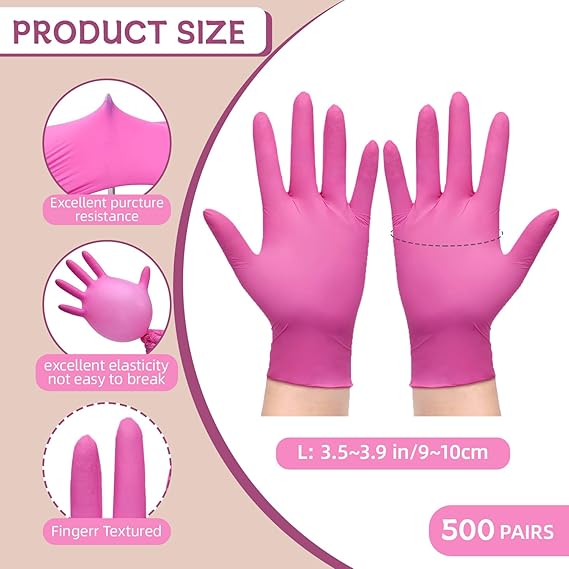
Oil-proof gloves are mainly made of materials such as rubber, nitrile, and leather.
the main materials used for oil-resistant shielding gloves consist of the following categories:
-
leather-based: both herbal leather-based and artificial leather-based are normally used substances for making oil-resistant protecting gloves. natural leather, including pigskin and, is robust with good oil and abrasion resistance; synthetic leather, on the other hand, is cost-powerful and easy to easy, extensively used in various forms of protecting gloves.
-
Rubber: natural rubber and nitrile rubber are the not unusual rubber materials used inside the manufacturing of oil-resistant gloves. herbal rubber gloves are tender and comfy, suitable for bloodless environments; even as nitrile rubber gloves offer better resistance to oil and chemical corrosion, making them ideal for touch with oils and an expansion of chemicals.
three. Aluminum movie: Aluminum film substances have incredible oil resistance, warmth insulation, and chemical resistance. whilst making oil-resistant gloves, aluminum film can be blended with other substances to shape composite gloves, improving the overall shielding performance of the gloves.
four. Nanocoating: Nanocoating is a new kind of environmentally friendly fabric with oil resistance, wear resistance, and clean cleansing residences. In oil-resistant gloves, nanocoating can efficiently isolate oil, lowering the danger of hand injury.
-
water resistant and Breathable materials: To make certain comfort in oil environments, some oil-resistant gloves are made with water-proof and breathable substances. those substances can effectively save you moisture penetration while retaining the hands dry, warding off sweat stains.
-
Textiles: materials such as cotton, nylon, and polyester can also be used to make oil-resistant gloves. those materials are mild, cozy, and breathable, appropriate for lengthy-time period sporting.
-
Polyvinyl Chloride (%): p.c is a synthetic plastic with notable chemical and oil resistance. while making oil-resistant gloves, p.c can be blended with other substances to decorate the protective properties of the gloves.
-
Ceramic: Ceramic substances have excessive hardness, put on resistance, and excessive-temperature resistance, making them suitable for oil-resistant protection in high-temperature and quite corrosive environments.
nine. twine: twine material is used to boost the abrasion resistance and tensile energy of gloves, regularly used inside the manufacturing of heavy-obligation oil-resistant gloves.
- Fluororubber: Fluororubber is a synthetic rubber with high-quality oil and chemical resistance, appropriate for oil-resistant protection in harsh environments regarding strong acids, alkalis, and fuels.
those materials may be selected and blended in step with real desires when making oil-resistant defensive gloves to acquire the quality defensive effect.

Oilproof gloves are suitable for the following scenarios:
Oil-resistant gloves play a vital role in numerous industrial and each day operations, and the subsequent are numerous major relevant eventualities:
-
equipment renovation: In industries which includes car, mechanical production, and petrochemicals, these gloves successfully save you operators from entering touch with oils throughout renovation and upkeep, shielding the skin from corrosion and infection.
-
food Processing industry: meals processors want to put on oil-resistant gloves to prevent oil and hold the cleanliness and protection of food.
three. Cooking: In both domestic cooking and eating place kitchens, gloves can guard the pores and skin from burns caused by hot oil all through cooking and also prevent oil splatters from staining garb.
four. portray Operations: In industries inclusive of coatings and paints, oil-resistant gloves are important protecting tools to save you harmful materials inside the coatings from contacting the pores and skin.
five. medical care: Healthcare employees in hospitals can wear oil-resistant gloves throughout positive nursing approaches, which include changing dressings for burn patients, to avoid infection from oils.
-
creation industry: On production sites, inclusive of while applying water-proof coatings or portray, gloves can prevent oil stains froming the skin and maintain the work surroundings smooth.
-
Agricultural paintings: In agricultural sports like fertilizing and spraying pesticides, oil-resistant gloves can shield the skin from chemical injuries.
-
Plastic and Rubber production: at some stage in the manufacturing of plastic and rubber merchandise, gloves protect workers from the of warm oil and chemical compounds.
-
Static power Prevention: a few oil-resistant gloves have antistatic properties, making them suitable for the electronics enterprise to save you static harm to electronic components.
-
daily existence: In normal existence, which include car washing and furniture sharpening, oil-resistant gloves are a handy preference for protection.
The programs of oil-resistant gloves are full-size, whether or not in business production, day by day existence, or hospital treatment. these gloves can ensure safety and hygiene whilst also enhancing paintings efficiency and the first-rate of lifestyles.

Key points for selecting appropriate oil-resistant gloves
In phrases of substances, oil-resistant gloves are typically crafted from the subsequent types:
-
Latex: Latex gloves offer right elasticity and sturdiness, correctly blocking oils, chemical substances, and beverages, and are one of the maximum not unusual substances for oil-resistant gloves available on the market. they are suitable for mild oil duties, inclusive of inside the catering enterprise and car renovation.
-
Oil-Resistant fabric: Oil-resistant fabric gloves are made from special fiber materials with strong water-resistant and oil-resistant properties, suitable for medium-level oil safety. they’re ideal for industries consisting of electronics, mechanical manufacturing, and meals processing.
three. PVA (Polyvinyl Alcohol): PVA gloves have a tender sense and suitable breathability, with high-quality waterproof and oil-resistant residences. they’re suitable for environments where hand feel is a concern, together with laboratories and beauty salons.
-
NBR (Nitrile Rubber): NBR gloves have high-quality oil resistance and chemical resistance, appropriate for excessive awareness oil environments which include oil exploration and shipbuilding.
-
PTFE (Polytetrafluoroethylene): PTFE gloves have extraordinarily excessive warmness resistance and corrosion resistance, retaining solid protective results below severe conditions. they’re suitable for excessive-risk operations in industries together with oil, chemicals, and aviation.
-
Kevlar: Kevlar gloves integrate heat resistance and cut resistance, suitable for oil safety in excessive-temperature environments, which includes preservation of excessive-temperature system.
-
PU (Polyurethane): PU gloves have put on-resistant and tear-resistant traits, appropriate for industries with excessive necessities for glove durability, such as mining and construction.
Key points for choosing the ideal oil-resistant gloves:
-
determine the working surroundings: apprehend the particular working surroundings, which includes the awareness of oil, temperature, and chemical corrosiveness, and select gloves with corresponding properties based on the real state of affairs.
-
choose the material: pick the right fabric primarily based on the job requirements. as an instance, pick out warmness-resistant gloves for excessive-temperature environments, and chemical-resistant gloves for environments with chemical corrosion.
three. Glove thickness: select the ideal thickness of the gloves based totally on the concentration of oil and the intensity of the work. normally, the thicker the gloves, the higher the protecting effect.
four. proper match: The gloves must match the size of the fingers to make certain comfort and they do no longer restriction movement because of being too tight or too unfastened.
-
take a look at the integrity of the gloves: before wearing, carefully investigate the gloves for any signs and symptoms of damage or getting old to make certain they may be in good condition.
-
protection and care: well smooth and maintain the gloves to extend their lifespan. replace gloves right away if they’re broken.
-
be aware of sporting: make certain that the fingers are inserted into the ideal role whilst wearing gloves, keep away from the gloves from slipping off. additionally, take into account of hand moves throughout put on to save you the gloves from being cut by sharp objects.

Market brands of oil-resistant gloves and their features
inside the marketplace, there are numerous manufacturers of oil-resistant gloves, each with its precise features. here are a few manufacturers and their characteristics:
- Nike
- capabilities: Nike’s oil-resistant gloves are made from breathable substances, suitable for long-term wear. The layout emphasizes hand flexibility while offering excellent oil resistance. Nike logo gloves regularly characteristic the iconic Swoosh layout, presenting a sturdy sense of fashion.
- 3M
- functions: As a frontrunner in commercial protecting gadget, 3M’s oil-resistant gloves are known for their high power and durability. The product line consists of gloves appropriate for specific temperature environments, including excessive-temperature and low-temperature resistant gloves. 3M gloves generally provide correct tactile sensitivity, making them easy to deal with.
- Lao Baoshi (exertions protection)
- functions: Lao Baoshi’s oil-resistant gloves are renowned for his or her durability and safety. The product line covers various materials, which includes %, rubber, and nylon, to meet the needs of different operating environments. The Lao Baoshi emblem makes a speciality of the comfort and fit of the gloves.
four. Kingtex– capabilities: Kingtex gloves, with their expert research and production era, provide a spread of oil-resistant gloves. The product features notable wear resistance and anti-puncture residences, appropriate for heavy business programs. Kingtex emblem pays attention to the specific processing of gloves, along with anti-slip designs and bolstered joint protection.
five. ANTA– capabilities: ANTA logo gloves are popular within the sports subject, with their oil-resistant gloves product of high-tech substances, which includes nano-coatings, effectively stopping oil penetration. The design emphasizes flexibility throughout sports activities while keeping true protective results.
- secure
- functions: comfortable gloves consciousness on comfort and practicality, with a product line overlaying various types, consisting of oil-resistant, acid and alkali-resistant, and so on. The relaxed brand emphasizes the tactile feel of the gloves, ensuring that wearers can sensitively understand items in the course of operation.
- Baosheng
- features: Baosheng gloves are characterized by way of their environmentally pleasant materials, imparting more than a few environmentally pleasant oil-resistant gloves. the products have precise waterproof, oil-resistant, and chemical-resistant residences, suitable for industries with excessive environmental protection necessities.
eight. XTEP– capabilities: XTEP gloves integrate fashion and functionality, with products offering fashionable colorations and designs while maintaining accurate oil-resistant performance. XTEP emblem gloves are appropriate for purchasers who pursue individuality and style.
these brands of gloves have their very own focuses in terms of substances, layout, and features. consumers can pick in keeping with their running environment, non-public alternatives, and price range.
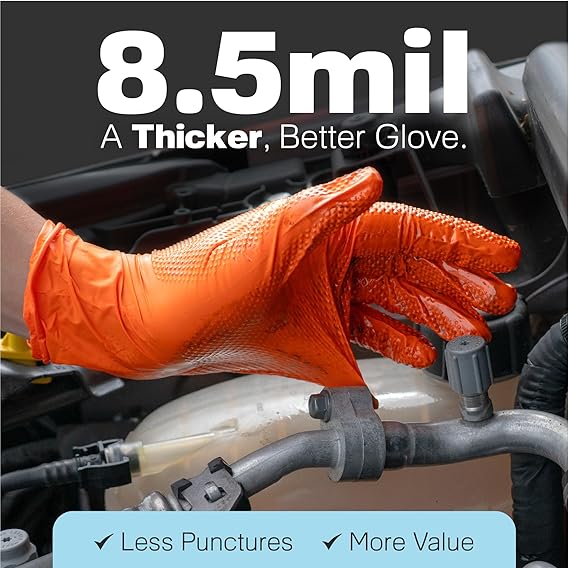
Precautions for the use and maintenance of oil-resistant gloves
whilst selecting oil-resistant gloves, material, length, and suit are key factors. here are a few important issues for use and renovation:
-
take a look at for any tears or cracks on the glove surface before carrying them to ensure the gloves are intact and not compromised of their shielding effectiveness.
-
pick the right size of gloves based on the size of your hands. Gloves which can be too tight or too free can affect consolation and defensive overall performance.
-
avoid contact with sharp gadgets at the same time as using the gloves to prevent piercing and decrease the protective effectiveness.
-
while in touch with oil, avoid rubbing the gloves vigorously to prevent scuffing on the glove surface, that may have an effect on the lifespan of the gloves.
five. After use, clean the gloves directly to get rid of oil and dust from the surface. Use lukewarm water and a neutral detergent, lightly rubbing with out harsh scrubbing.
-
After cleaning, lay the gloves flat to dry, heading off direct daylight and high temperatures to save you material growing old and deformation.
-
shop the gloves in a dry, properly-ventilated place after they are dry, to save you dampness and mildew.
eight. regularly check out the wear and tear of the gloves. if you observe substantial wear or harm, replace them directly to make sure protecting effectiveness.
-
For gloves that aren’t in use for a long time, keep them in a sealed bag to prevent dust and dirt from coming into.
-
avoid storing gloves with different chemical compounds or corrosive materials to prevent damage to the glove cloth.
eleven. If the gloves display signs and symptoms of wear and tear or damage throughout use, update them without delay to prevent hand damage.
- the protective overall performance of gloves may also decline over the years, so it’s far encouraged to replace them regularly to make certain safety.
thirteen. avoid wearing gloves for prolonged durations to save you confined blood movement in the palms.
-
If discomfort consisting of numbness or pain is felt even as the usage of the gloves, dispose of them at once and relaxation for a while.
-
select gloves with precise characteristics for specific working environments, such as heat resistance, oil resistance, and slip resistance.
by using following these precautions, proper use and upkeep of oil-resistant gloves can expand their lifespan and make certain hand safety, as well as enhance work efficiency.