Nurse Cap and Gown: Its Evolution, Symbolism, and Impact on Uniforms and Professionalism
In the field of nursing, the nurse’s hat and uniform are not only professional attire but also carry profound cultural significance and symbolic value. They have evolved over time, not only in terms of material and design but have also had a profound cultural impact globally. This article will explore how the nurse’s hat and uniform have developed from simple protective gear into unique symbols of the nursing profession, and analyze their role in cultural and the globalization process.
Nurse’s hat and ball gown historical origins
The nurse’s hat originated in 17th-century Europe, and its initial form was designed to protect nurses from contamination and disease. At that time, nurses wore simple white robes and headbands. Over time, this simple protection gradually evolved into the nurse’s hat we know today.
Early nurse’s hats were designed simply for practicality. Nurses needed to come into contact with various medical instruments and medications while caring for patients, and the white hats could effectively reflect light, reducing eye fatigue, while also somewhat blocking dust and bacteria. The white robes symbolized purity and selflessness, reflecting the noble nature of nursing work.
By the end of the 19th century, with the advancement of nursing science and the normalization of the nursing profession, nurse’s hats and uniforms began to become more refined and standardized. Elizabeth Blackwell, an American nurse, is considered a key figure in this transformation. She founded the first women’s medical college in America and proposed a unified nurse’s uniform, which included the white nurse’s hat and robe.
During the evolution of the nurse’s hat, the designs were influenced by different cultural elements from various countries and regions. For example, the British nurse’s hat often had a pointed top, while American nurse’s hats were more commonly designed in a circular or soft-top style. These differences not only reflected regional culture but also reflected the unique characteristics and development of the nursing profession in different areas.
In the 20th century, as medical technology rapidly developed, the roles and responsibilities of nurses expanded continuously. Nurse’s hats and uniforms also evolved from the initial simple protection to become symbolic professional attire. The white nurse’s hat and robe became iconic symbols of the nursing profession, representing the professional and care for patients of nurses.
During World War II, the design of nurse’s hats and uniforms placed greater emphasis on practicality and comfort. Nurses had to work in tense battlefield environments, so the clothing needed to be easy to move in and also capable of withstanding harsh weather. The nurse’s hats and robes of this period were simpler, with reduced unnecessary decorations.
In modern society, the design of nurse’s hats and uniforms has become more focused on the combination of fashion and functionality. Nurse’s hats are no longer limited to white, with more colors and patterns emerging to adapt to different work environments and personal preferences. The design of the uniforms has also become more diverse, retaining traditional elements while incorporating modern aesthetics.
The nurse’s hat and uniform have a deep historical background, evolving from initial practical protection to current professional symbols. Whether it is the traditional white nurse’s hat or the modern diverse designs, they carry the spirit and style of nursing professionals and their selfless dedication to patient health.
Symbolic meanings of nurse caps and formal dresses
The nurse’s cap, a seemingly simple circular headgear, carries rich symbolic meaning. It is not only a symbol of the nursing profession but also reflects the spirit and demeanor of nursing professionals.
The origin of the nurse’s cap in the Western world can be traced back to the 17th century, when nurses began to wear white caps to prevent the spread of diseases. White symbolizes purity and sterility, representing the selfless care that nursing professionals offer to patients. Over time, the nurse’s cap has evolved into the familiar style we see today, with its circular shape signifying the comprehensiveness and inclusiveness of nursing work.
The white color of the nurse’s cap symbolizes purity, and the white uniforms of nurses carry the same symbolism. The white uniforms represent the care and respect that nursing professionals have for their patients, conveying a refreshing atmosphere. To patients, this pure white symbolizes hope and healing, providing them with psychological comfort.
The unified attire of the nurse’s cap and uniform symbolizes the standardization and professionalism of the nursing profession. The circular design of the nurse’s cap signifies the boundless nature of nursing work, with nurses treating every patient with the same standards and attitude, whether in the ward, operating room, or community. The formal style of the uniform, on the other hand, reflects the solemnity and rigor of nursing professionals in professional settings.
The nurse’s cap and uniform also symbolize the spirit of dedication in nursing work. Nurses often need to stand, walk, and even stay up all night to care for patients, and this dedication and sacrifice is reflected in the white color of the uniforms. The white uniforms are like a testament to the hard work of nurses, reminding the world of the hardships and greatness of nursing work.
In many cultures and religions, the nurse’s cap and uniform also hold special symbolic meanings. For example, in Christianity, white symbolizes sanctity, and the colors of the nurse’s cap and uniform resonate with the white attire in religious ceremonies, symbolizing that nursing professionals are in the presence of the divine, bringing redemption and hope to patients.
The symbolic meaning of the nurse’s cap and uniform also lies in the social values they convey. Nursing professionals showcase the noble qualities and professional ethics of the nursing profession through their attire, enhancing the social status of the nursing industry.
The symbolic meaning of the nurse’s cap and uniform is multi-layered, reflecting the professionalism, purity, standardization, and spirit of dedication in nursing work, as well as conveying the social values and religious beliefs of the nursing industry. This symbolism not only inspires nursing professionals but also brings strength and hope to patients.
Nurse hat and ball gown material and design
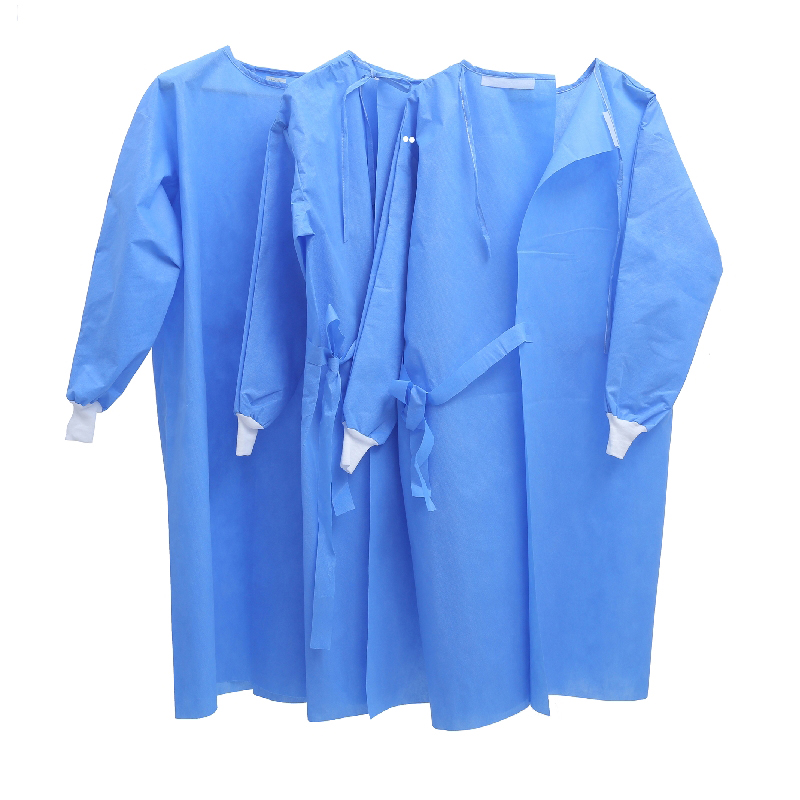
Nurse caps are typically made of materials such as cotton, linen, or synthetic fibers, which are breathable and suitable for extended wear. The brim of the cap is usually simple in design, with the edge commonly in white, and may feature hospital logos or color distinctions to differentiate departments. The top of the cap often features a white or blue bow, symbolizing purity and professionalism.
The fabric of nurse dresses is more varied, ranging from traditional linen and cotton to modern synthetic fibers. Linen and cotton fabrics are often used for summer nurse dresses due to their comfort and washability. In winter, wool or blended fabrics may be chosen to retain body heat. The neckline designs of nurse dresses usually include round or square necklines, with occasional V-neck styles to accommodate different aesthetics and thermal needs.
Nurse dresses are cut to be figure-hugging but not tight, allowing for ease of movement when performing various nursing procedures at the bedside. The hem is typically straight or slightly A-line, reaching knee-length or slightly above, ensuring that nurses can move freely while walking and squatting. The sleeve openings are often designed to be loose, facilitating the wearing of gloves for operations and allowing for ease of wrist movement.
In terms of color, traditional nurse dresses are predominantly white, symbolizing purity and sanctity. With the development of the times, many hospitals have started to use differently colored dresses to distinguish different work areas or specialties, such as pink for pediatric nurses or green for emergency departments. Colors not only represent departmental characteristics but also reflect the diversity of hospital culture.
In terms of detail design, nurse dresses often come with pockets for storing stethoscopes, pens, and other small tools. The necklines and sleeve openings may have lace or rolled-edge decorations, adding a touch of feminine elegance. Moreover, some modern nurse dresses incorporate functional designs, such as removable sleeves, which make it easier to expose the arms for operations when necessary.
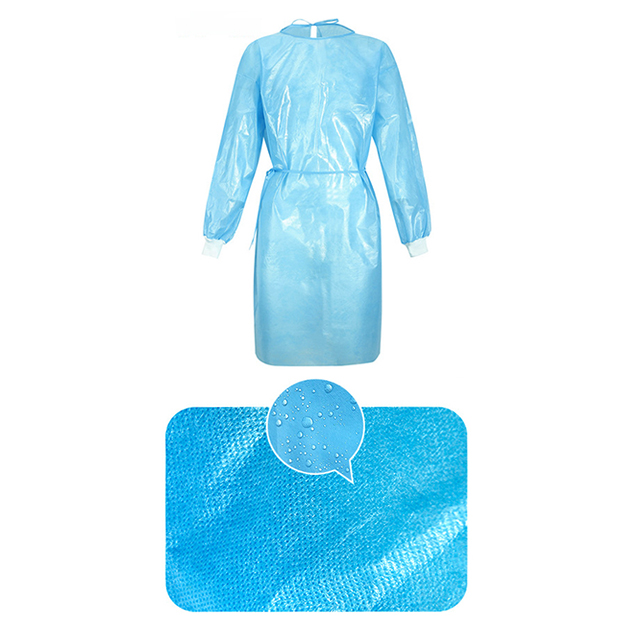
With the advancement of technology, some nurse caps and dresses are now made from high-tech materials with antibacterial and antistatic properties, enhancing the comfort of the wearer and the safety and hygiene of the work environment. Overall, the materials and designs of nurse caps and dresses reflect both the traditional spirit of the nursing profession and the modern pursuit of professional image and functionality.
Nurse caps and formal gowns in the application of modern nursing profession
Nurse caps, with their simple circular shape, symbolize the purity and professionalism of the nursing profession; while nurse uniforms, with their solemn design, reflect the responsibility and dignity of nursing staff. In modern nursing, these two iconic items play an indispensable role.
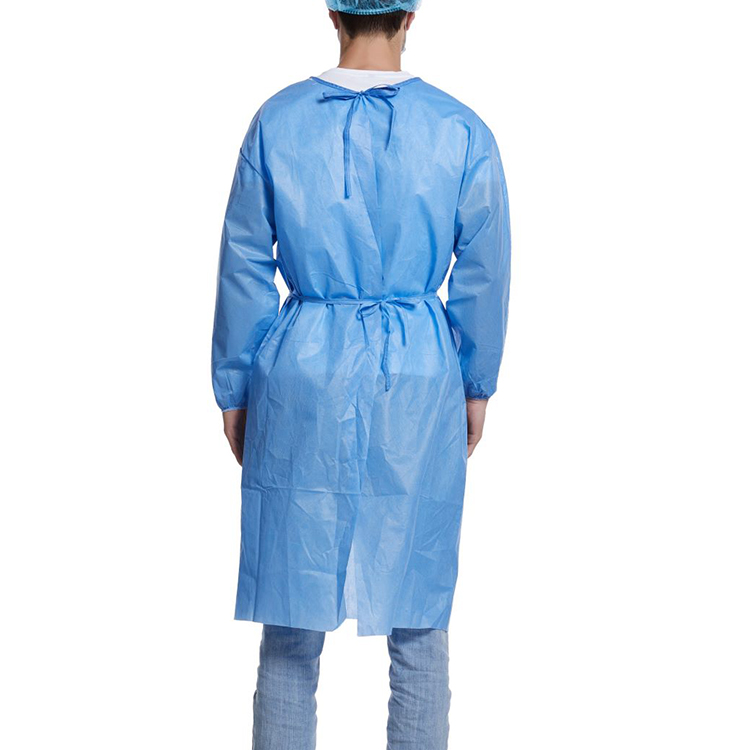
The design of nurse caps is typically simple and usually white, made of cotton or silk, soft and breathable. The round top represents the clear mind of nurses, enabling them to pay full and detailed attention to each patient. In clinical work, nurse caps are not only a symbol of the profession but also an important tool for protecting the nurse’s hair and preventing cross-infection. The wearing of nurse caps requires nurses to maintain a neat appearance at all times and also reminds patients and their families that they are in a professional nursing environment.
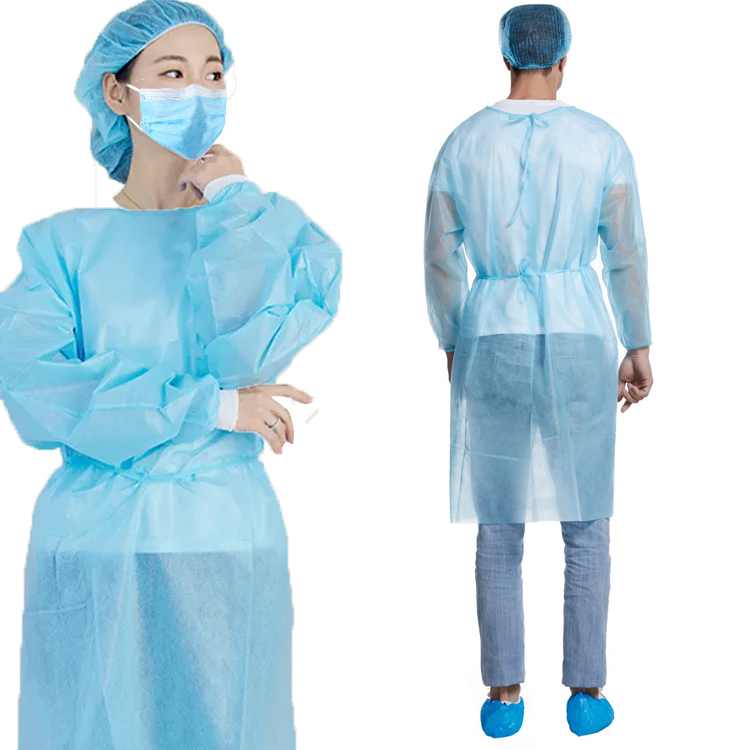
The design of nurse uniforms is more complex. Modern nurse uniforms are usually made of white or light blue fabric, signifying purity and tranquility. The collar designs are varied, including round neck and square neck, while the sleeve cuffs are mostly seven-eighth sleeves, which are convenient for movement and meet the cleanliness requirements of nursing work. The skirt hem is fluid, neither too loose nor too tight, allowing nurses to move freely in the ward. On formal occasions such as Nurse’s Day celebrations or graduation ceremonies, nurses may also wear more formal nurse uniforms to demonstrate the solemnity and honor of the nursing profession.
The application of nurse caps and uniforms in nursing work reflects the following aspects:
-
Identification of Identity: Nurse caps and uniforms are symbols of the nurse’s identity, allowing patients in the hospital to quickly identify and trust the professional abilities of nursing staff.
-
Work Standards: Uniform attire helps establish a good professional image and also standardizes the behavior of nurses, ensuring the professionalism of nursing work.
-
Sanitary Protection: The design of nurse caps and uniforms takes into account the needs for sanitation protection, reducing the risk of cross-infection.
-
Mental Motivation: Nurse caps and uniforms not only shape the professional image of nurses but also motivate their spirit of dedication, reminding nurses to maintain an attitude of dedication and contribution at all times.
-
Patient Psychology: The wearing of nurse caps and uniforms helps alleviate patients’ tension and provides a peaceful and reassuring treatment environment.
As the nursing profession continues to develop, the design of nurse caps and uniforms is also evolving to meet the needs of modern nursing work. Whether in daily ward care, operating rooms, emergency rooms, and other special environments, nurse caps and uniforms are an indispensable part of the nursing profession.
Nurse caps and evening gown cultural changes and the impact of globalization
The nurse’s cap, with its unique circular design and white fabric, symbolizes purity and professionalism; while the nurse’s uniform, with its minimalist cuts and classic white color, conveys rigor and respect. The application of these two garments in the nursing profession not only reflects the spiritual essence of nursing work but also demonstrates new meanings with the evolution of culture and globalization.
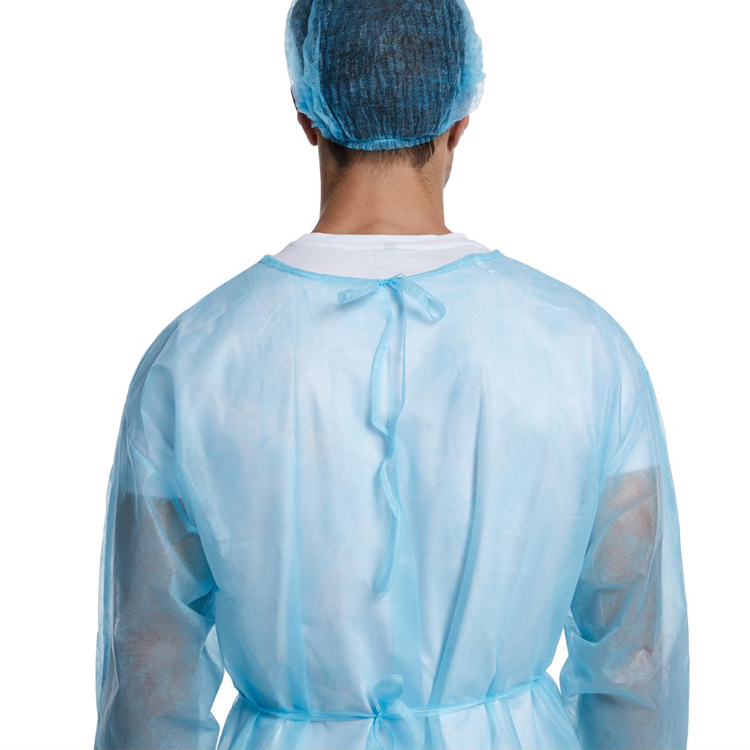
The material of the nurse’s cap has evolved from the original linen and cotton to modern synthetic fibers and materials. Early nurse’s caps were commonly made of linen, valued for their good breathability and ease of cleaning. With the advancement of technology, the material of the nurse’s cap has become more diverse, including materials such as polyester and nylon, which are light, durable, and have good antimicrobial properties.
The design of the nurse’s uniform has also changed with the times. Traditionally, nurse’s uniforms were predominantly white, representing spotless purity. Modern nurse’s uniforms, while maintaining this tradition, have started to incorporate more modern cuts and materials, such as breathable fabrics, and functional designs like pockets and zippers to meet the needs of clinical work.
Under the backdrop of globalization, the application of nurse’s caps and uniforms has been significantly influenced. With increased international exchanges, nursing professionals from different countries are beginning to show a trend of integration in their attire. For example, some international hospitals and nursing institutions adopt unified uniforms that reflect international standards and strengthen team identity.
The nurse’s cap and uniform in the cultural changes also reflect the social status and role transformation of the nursing profession. In the past, nurse’s caps and uniforms were often seen as a symbol of rank, representing the position of nurses in the medical system. Today, with the deepening of nursing professional knowledge and the popularization of nursing services, the image and status of nurses have significantly improved, and the attire emphasizes professionalism and practicality more.
The globalization impact on nurse’s caps and uniforms is also evident in the enhancement of nursing professional standards. With the increase in international nursing certification and exchanges, the attire of nurses is trending towards standardization, which not only helps to improve the professionalism of nursing work but also facilitates the movement of nursing talent across borders.
In the tide of globalization, the design and materials of nurse’s caps and uniforms are continuously being updated. For example, the concept of environmental protection is increasingly being integrated into the design of nursing attire, with materials such as recyclable materials used to make nurse’s caps and uniforms, which not only aligns with environmental trends but also reflects the sense of responsibility of the nursing profession.
The application of nurse’s caps and uniforms in modern nursing is not only a symbol of professional identity but also a microcosm of cultural changes and the impact of globalization. They continue to evolve with the times, reflecting the progress of the nursing profession and the changes in society.