Protective Clothing Checklist: IT-Clothing, E-Clothing, and Protective Cloth Best Practices
In industrial production, medical rescue, and special operations, personal protective equipment (PPE) is a vital tool for ensuring the safety and health of workers. To ensure the effectiveness of the protection, this article provides a detailed description of the specific content and usage and maintenance of the protective clothing list. It also emphasizes the importance of regularly reviewing and updating the protective clothing list to ensure it adapts to the ever-changing work environment and safety requirements.
Overview of Protective Suit List
Personal protective equipment (PPE) is an essential means of ensuring the safety and health of workers in various industrial, medical, and special environments. Protective clothing, as an important component of PPE, directly affects the life safety of the workers involved. The following is an overview of the protective clothing checklist, designed to help users make reasonable choices of appropriate protective clothing based on different environments and needs.
The main functions of protective clothing include:
- Preventing harmful substances from contacting the skin, such as chemicals, blood, body fluids, etc.
- Preventing physical injuries, such as cuts and impacts.
- Preventing biological hazards, such as viruses and bacteria.
- Maintaining comfort to ensure that wearing for extended periods does not cause discomfort.
The protective clothing checklist should include the following categories:
-
Material Selection: Choose appropriate materials based on the protective requirements, such as polyethylene, polypropylene, PVC, nylon, etc. Different materials have different protective properties and suitable environments.
-
Protective Level: Select the corresponding protective level of the protective clothing based on the potential hazards in the working environment. For example, level one protection is suitable for low-risk environments, while level three protection is suitable for high-risk environments.
-
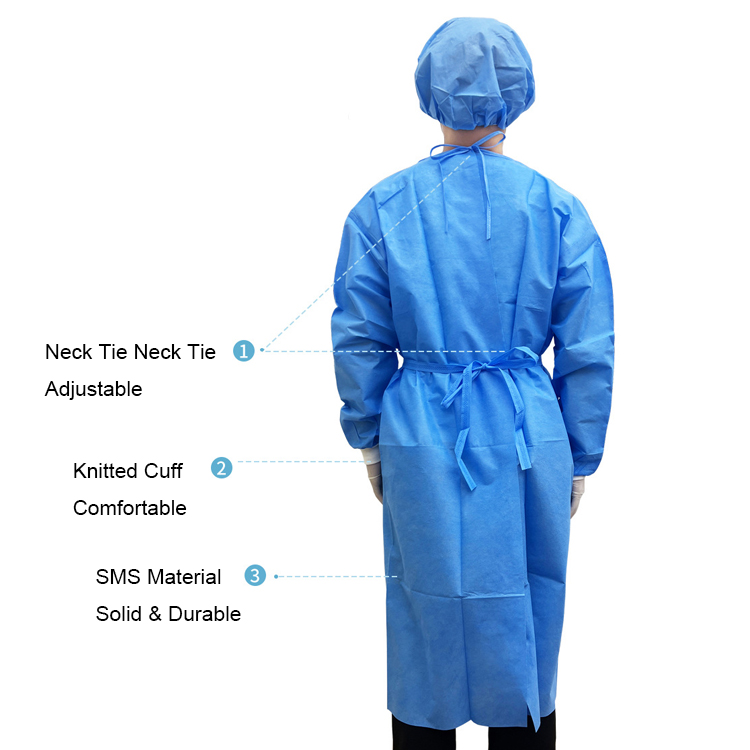
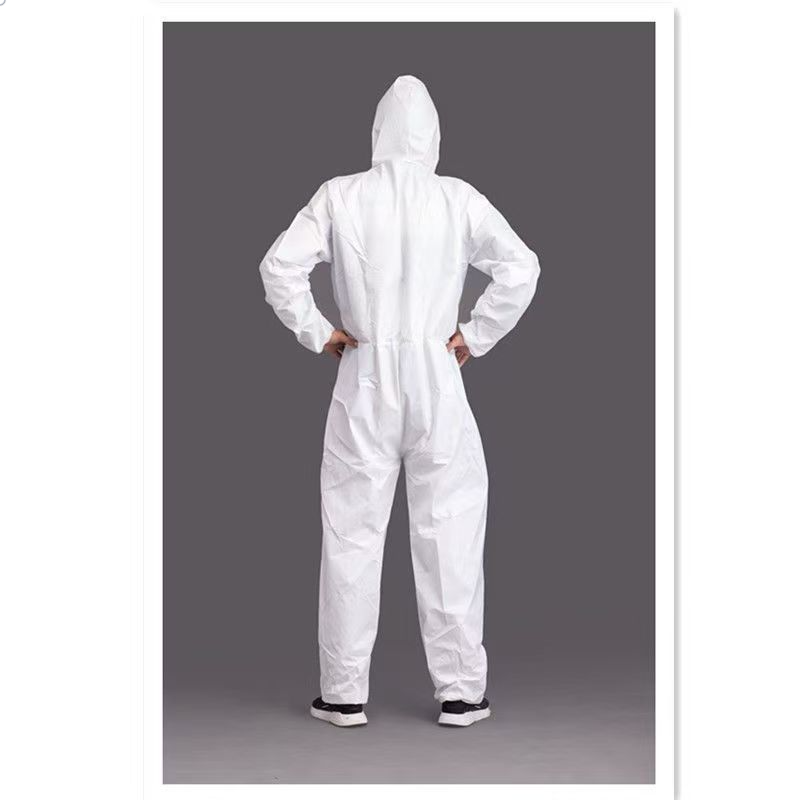
Design Style: The design of the protective clothing should consider ergonomics to ensure comfort and ease of movement. Common styles include full-body, split-body, and antistatic.
-
Accessories Configuration: Equip with appropriate protective accessories as needed, such as protective gloves, protective eyewear, respirators, etc.
-
Color and Identification: The color and identification of the protective clothing should be easy to recognize for quick location and identification in emergencies.
-
Testing and Certification: Ensure that the protective clothing has undergone necessary testing and certification and meets relevant safety standards.
-
Maintenance and Care: Provide guidelines for the cleaning, disinfection, and maintenance of protective clothing to extend its service life.
The specific content of the checklist may include:
- Protective Clothing Model: Specify the specific model of the protective clothing for easy procurement and inventory management.
- Protective Clothing Size: Offer different sizes to ensure that each employee can find a suitable fit.
- Protective Clothing Material: List the specific materials used in the protective clothing, such as “polyethylene/polypropylene composite material”.
- Protective Clothing Protective Level: Mark the protective level, such as “complies with GB 13039-2009 level one protection”.
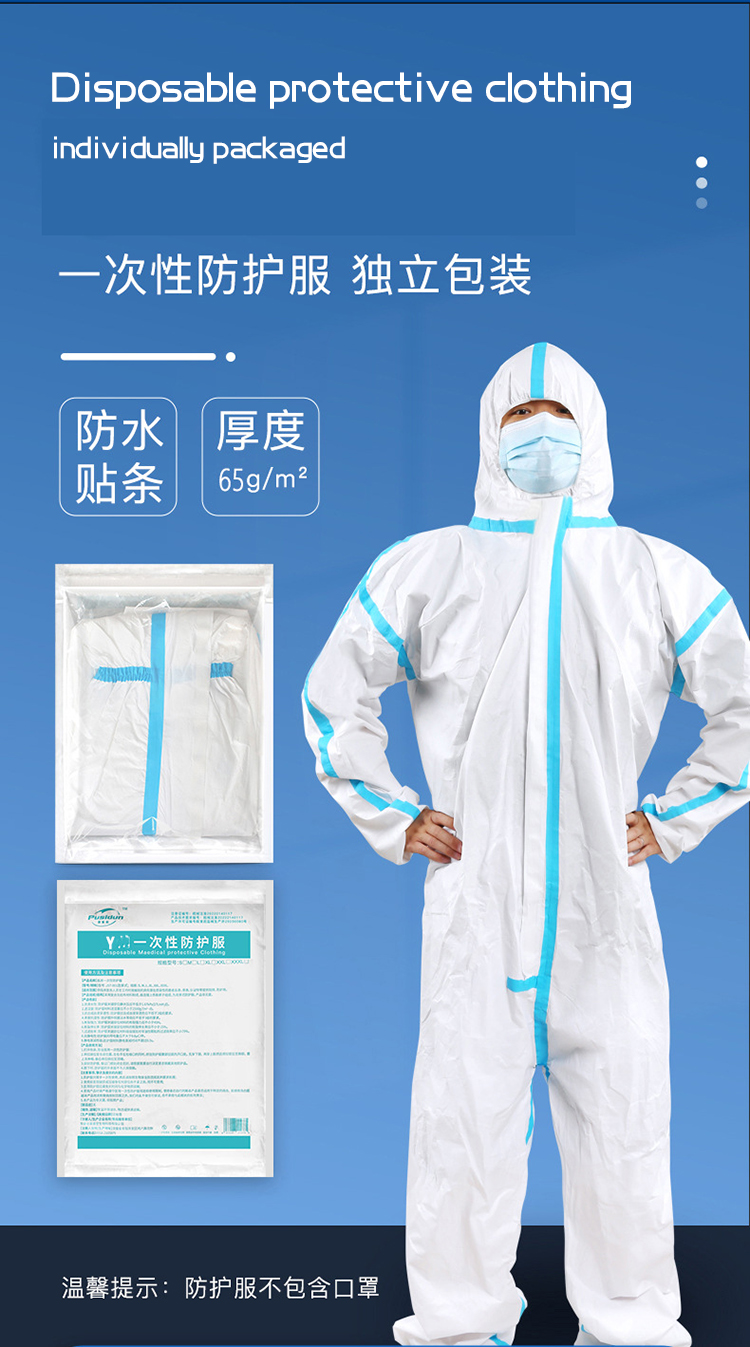
- Protective Clothing Design Style: Describe the design features, such as “full-body, no collar, antistatic treatment”.
- Protective Clothing Accessories: List the types of accessories, such as “cut-resistant gloves, fog-proof eyewear”.
- Protective Clothing Color and Identification: Explain the color and identification design, such as “orange, with prominent reflective strips”.
- Protective Clothing Testing and Certification Information: Provide testing report numbers and certification agency information.
- Protective Clothing Maintenance and Care Instructions: Provide detailed instructions for cleaning, disinfection, storage, and other maintenance methods.
Through the above overview of the protective clothing checklist, it can be ensured that various factors are fully considered when choosing and using protective clothing, thereby providing effective safety protection for workers.
Key Points for Choosing Personal Protective Equipment (PPE)
The selection of personal protective equipment (PPE) is crucial, as it directly relates to the safety and health of workers. Here are some key points to consider when making a choice:
-
Risk Assessment: Before selecting PPE, a thorough risk assessment of the work environment is necessary. This involves identifying potential hazards, such as exposure to chemicals, biological risks, and physical injuries, and determining the appropriate protective levels.
-
Suitability: The selected PPE must be matched to the nature of the work. For example, welding work requires flame-resistant protective clothing, while cleaning tasks may necessitate waterproof and chemical-resistant protective suits.
-
Comfort: Although protection is the primary consideration, the comfort of PPE should not be overlooked. Ill-fitting protective clothing can hinder work efficiency and even cause secondary injuries.
-
Material Quality: The material of PPE should possess sufficient strength and durability, while also considering its protective effects against specific hazards. For instance, protective suits designed to prevent chemical penetration should be made of special synthetic materials.
-
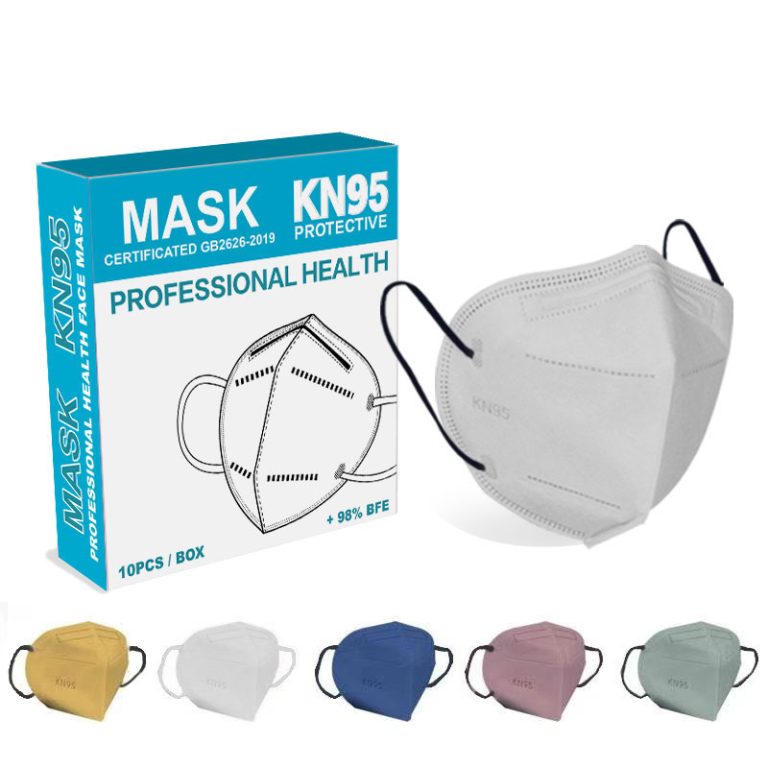
Protection Level: Based on the results of the risk assessment, PPE that meets the corresponding protection level should be chosen. For example, N95 masks can effectively filter airborne particles and are suitable for high-pollution environments.
-
Wearing Method: The wearing method of PPE must be correct to ensure its protective effectiveness. Incorrect wearing can turn protective clothing into a hazard rather than a safeguard.
-
Maintenance and Cleaning: PPE should be properly maintained and cleaned after use to maintain its protective performance. This includes regular inspections, washing, disinfection, and replacing worn or damaged parts.
-
Training and Guidance: Workers should receive proper training on the correct use of PPE, understanding the applicable scenarios, proper wearing methods, and maintenance knowledge for each piece of equipment.
-
Regulations and Standards: When selecting PPE, relevant regulations and industry standards, such as China’s GB and EN, should be followed to ensure that the selected equipment meets safety requirements.
-
Emergency Backup: A certain amount of emergency backup PPE should be prepared to deal with unexpected situations.

Protective suit inventory specific contents
-
Work Environment Assessment: Before compiling a protective clothing list, a detailed assessment of the work environment is necessary, including potential hazard factors, temperature, humidity, types of chemicals, and biological hazard risks.
-
Protective Level Classification: Based on the risk assessment results, determine the required protective level, such as Level 1 protection (general protection), Level 2 protection (liquid permeation protection), and Level 3 protection (gas and particle protection).
-
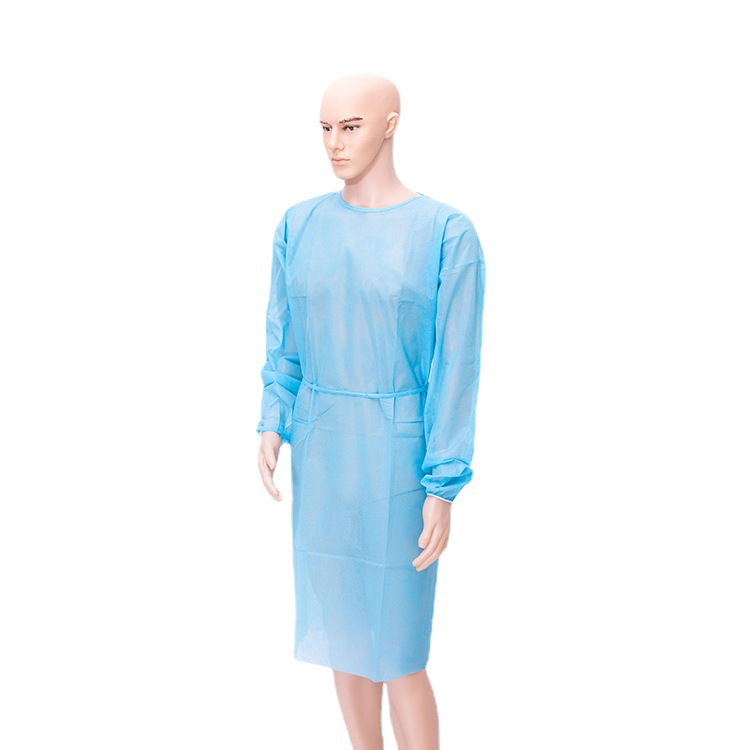
Protective Clothing Types: Select the appropriate type of protective clothing based on work requirements, including but not limited to full-body suits, half-body protective clothing, isolation gowns, chemical-resistant suits, and antistatic suits.
-
Material Characteristics: Ensure that the selected protective clothing material meets relevant standards, such as chemical resistance, antistatic properties, breathability, heat resistance, and cold resistance.
-
Size and Comfort: Choose protective clothing in the correct size to ensure comfort, avoiding or excessive looseness that may reduce protective effectiveness.
-
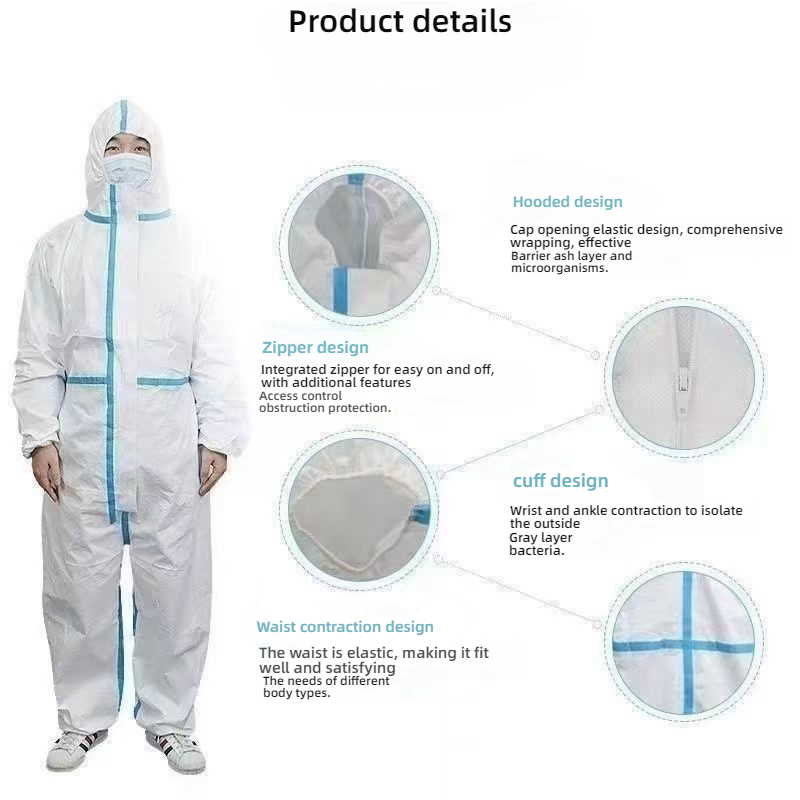
Fabric and Structure: The fabric should have sufficient elasticity and strength, with a reasonable design, such as sufficient sealing at the sleeve cuffs, collar, and waist.
-
Additional Functions: Depending on the need, protective clothing may require additional functions, such as reflective strips for increased visibility, waterproof coatings, and antistatic designs.
-
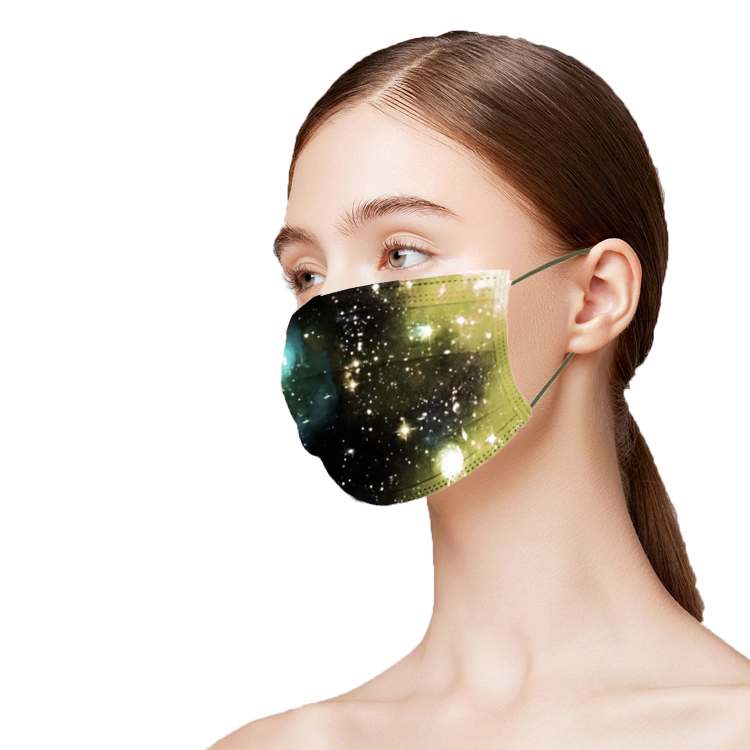
Protective Clothing Accessories: Include necessary accessories in the list, such as gloves, masks, goggles, and earplugs, to ensure comprehensive protection.
-
Protective Clothing Labels: Ensure that the protective clothing is clearly labeled with product information, including model, specifications, production date, expiration date, and manufacturer information.
-
Cleaning and Disinfection: List the cleaning and disinfection guidelines for protective clothing, as well as recommended cleaning agents and disinfection methods.
-
Storage and Maintenance: Specify the storage conditions for protective clothing, such as avoiding direct sunlight, high temperatures, and humidity, and establish a regular maintenance schedule.
-
Instructions for Use: Provide detailed instructions for the use of protective clothing, including steps for donning and removing, as well as emergency procedures.
-
Training and Education: Ensure that staff receive necessary training on the use of protective clothing, understanding its importance and correct usage.
-
Regular Inspection and Replacement: Establish a regular inspection and replacement schedule for protective clothing to ensure it remains in good working condition.
-
Documentation: Establish a record file for the use of protective clothing, documenting each wearing, cleaning, disinfection, and replacement operation for tracking and management.
User and Maintenance Guide
-
Preparation Before Wearing: Before wearing, ensure that your hands are clean and avoid touching your face directly. Check the integrity of the protective suit; if there are any tears or damage, replace it immediately.
-
Correct Wearing Procedure: When wearing, start with the hood, then the top, and finally the pants. Make sure all seams are tightly sealed to prevent harmful substances from entering.
-
Order of Protective Suit Wear: When wearing multiple layers of protective suits, wear them from the inside out. The inner layer should be in direct contact with the skin, while the outer layer should provide the maximum protection.
-
Preventing Cross-contamination: When putting on and taking off the protective suit, avoid touching unprotected body parts. When removing, do so from the contaminated area to the clean area, avoiding contact with the inside of the clothing.
-
Removing the Protective Suit: When removing, move from the contaminated area to the clean area, avoiding contamination of the mask, gloves, etc. After removing the hood, wash your hands immediately.
-
Cleaning the Protective Suit: After use, the protective suit should be disinfected according to the prescribed procedures. For disposable protective suits, dispose of them according to waste disposal regulations.
-
Maintenance and Storage: Store protective suits away from moisture, high temperatures, and chemicals. Keep them in a dry, cool, and well-ventilated environment, ensuring the packaging is intact.
-
Regular Inspections: Regularly check the integrity of the protective suit, including seams, zippers, and bonded areas, to ensure there are no tears.
-
Wearing Duration: The duration of wearing should not be too long, depending on the work environment and type of protective suit. Prolonged wearing can cause discomfort and affect the protective effect.
-
Personal Hygiene: If you need to eat or drink while wearing the protective suit, remove the suit first to ensure personal hygiene.
-
Emergency Response: In case the protective suit is damaged or contaminated, replace it immediately and take appropriate emergency measures, such as cleaning the skin and changing clothes.
-
Training and Guidance: Staff should receive professional training on the use and maintenance of protective suits to ensure correct usage and improve protective effectiveness.
Regular review and update
The regular review and updating of protective clothing are crucial for ensuring their effectiveness and safety. Here are some necessary steps and considerations:
-
Review Cycle: Protective clothing should be reviewed on a regular basis, typically recommended at least once a year. Special environments or high-risk operations may require more frequent reviews.
-
Review Content: The review should encompass a comprehensive check of the physical condition, performance criteria, usage records, and updates to relevant regulations and standards.
-
Physical Condition Inspection: Check for any signs of damage, wear, tear, or fading on the protective clothing. Any damage that could affect protective performance should be recorded and assessed.
-
Performance Testing: Conduct necessary performance tests based on the type of protective clothing, such as waterproofing, oil resistance, chemical resistance, and static dissipation, to ensure they still meet the requirements of the work environment.
-
Usage Record Review: Examine the usage records of the protective clothing, including wear time, number of uses, and cleaning and maintenance, to assess its durability and maintenance needs.
-
Regulatory and Standard Updates: Compare the latest regulations and industry standards to ensure that the protective clothing complies with current requirements. If there are changes in regulations or standards, protective clothing should be updated accordingly.
-
Risk Assessment: Assess whether the protective clothing is suitable for the current risk level based on the specific risk assessment of the workplace. If necessary, adjust the type or quantity of protective clothing based on the results of the risk assessment.
-
Updating and Replacing: Immediately update or replace protective clothing that is no longer up to standard. Damaged or performance-degraded protective clothing should not be used further.
-
Training and Communication: Train employees to ensure they understand the review and updating processes for protective clothing, as well as how to properly use and maintain them.
-
Record Keeping: Keep records of reviews and updates securely for future tracing and auditing.
-
Supplier Communication: Maintain communication with the supplier of protective clothing to stay informed about the latest product information and technological advancements, so that protective clothing can be replaced or upgraded when necessary.
-
Budget Planning: Develop a budget plan based on the review results and updating needs to ensure financial support for the updating of protective clothing.