
Why Lab Gowns are Used in BSL-3 Labs Instead of Lab Coats or Suits

Why Lab Gowns are Used in BSL-3 Labs Instead of Lab Coats or Suits

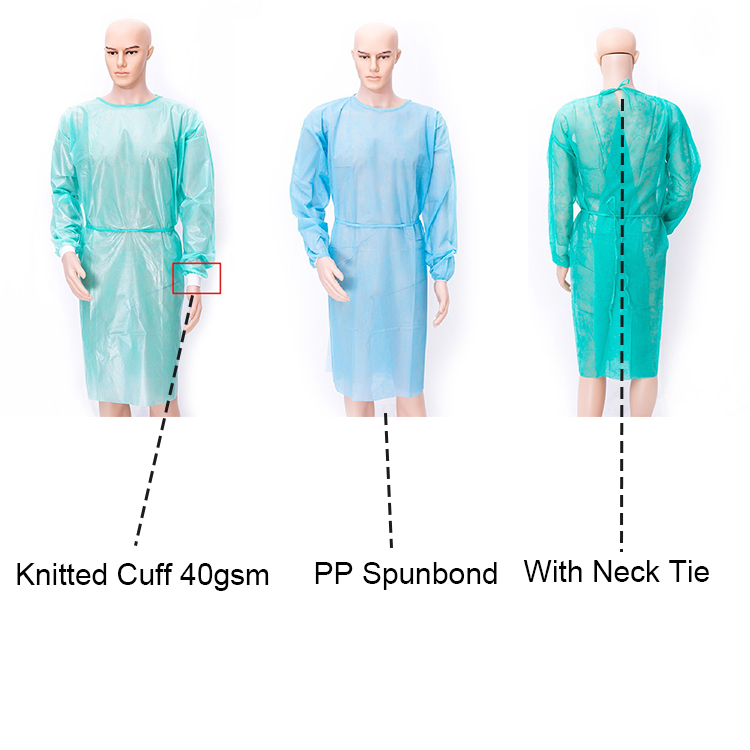
In BSL-3 laboratories, lab gowns are preferred over lab coats due to their superior protective qualities. Gowns, made from waterproof and impermeable materials, offer a tighter seal against liquid pathogens, reducing the risk of infection. They encapsulate the body more comprehensively than coats, protecting against contamination, especially for the head and neck. Gowns are also easier to wear and remove, with fewer exposed areas for potential cross-contamination. Their design is tailored for operations in high-risk environments, providing both safety and comfort, which makes them the ideal choice over protective suits in BSL-3 facilities.

Why Lab Gowns Are Used in BSL-3 Labs Instead of Lab Coats: Gowns vs. Coats, Suits

Why Lab Gowns Are Used in BSL-3 Labs Instead of Lab Coats: Gowns vs. Coats, Suits

In BSL-3 laboratories, lab gowns are preferred over coats due to their superior protective capabilities. Gowns are made from impermeable materials, ensuring tight seals and full-body coverage, crucial for preventing contamination in high-risk environments. They offer enhanced durability, resistance to chemicals, and ease of donning and doffing, while also featuring anti-static properties and reinforced wear areas. Compared to coats, which are typically made from cotton or synthetic fibers and provide less comprehensive coverage, gowns provide a higher level of protection, making them essential for the safety of personnel in BSL-3 facilities.