Which Disposable Gloves are Food Safe: A Comprehensive Guide with Q&A
within the food processing and catering industries, ensuring meals protection is crucial. using food-grade gloves that meet the standard can efficaciously prevent cross-infection and protect consumer fitness. this article will introduce you to a way to pick the right meals-grade gloves, offer numerous encouraged types of meals-grade gloves, and proportion practical tips for their use and preservation.
Food Grade Gloves Overview
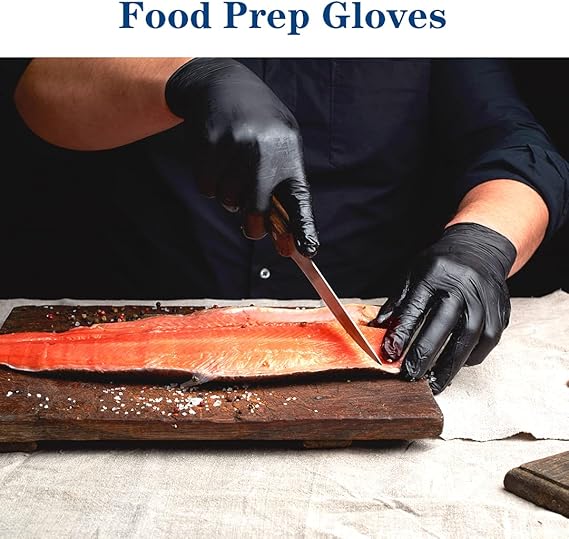
Food-grade gloves, as the name implies, are gloves specifically designed for food handling and preparation environments. These gloves must meet stringent hygiene and food safety standards to ensure they do not contaminate the food. They are typically made from food contact materials such as latex, PE, PVC, nitrile, etc., are free of harmful substances, and can effectively prevent the spread of bacteria and viruses.
The use of food-grade gloves is widespread in industries such as food processing, cooking, packaging, and food retail. They not only protect the food from contamination but also safeguard the hands of staff from potential hazards such as chemicals or hot oil. Food-grade gloves come in a variety of types, ranging from everyday kitchen use to professional food industry applications, with corresponding gloves available for each.
Food-grade gloves must meet food safety requirements in terms of materials, containing no harmful chemicals. Additionally, the surface treatment of the gloves is also crucial, ensuring the surface is smooth, free of pores, and not prone to attaching bacteria and dirt. The thickness and durability of the gloves are also important considerations, as they need to be sufficiently robust to withstand physical wear and tear as well as the corrosion from cleaning agents.
When choosing food-grade gloves, the following key factors should be considered:
- Temperature Resistance: Different types of food-grade gloves are suitable for different temperature environments, with heat processing requiring gloves that can withstand high temperatures.
- Allergenic Reactions: Some individuals may be allergic to certain glove materials, so it is important to choose gloves that are safe in terms of material.
- Comfort: The design of the gloves should take into account the comfort of the wearer’s hands to avoid discomfort during prolonged periods of work.
Common types of food-grade gloves available on the market include:
- Latex Gloves: Known for their elasticity and abrasion resistance, these are suitable for contact with low-temperature foods.
- PE Gloves: Odorless and non-toxic, suitable for packaging and general food contact.
- PVC Gloves: Economical, oil and alkali-resistant, but with poor heat resistance.
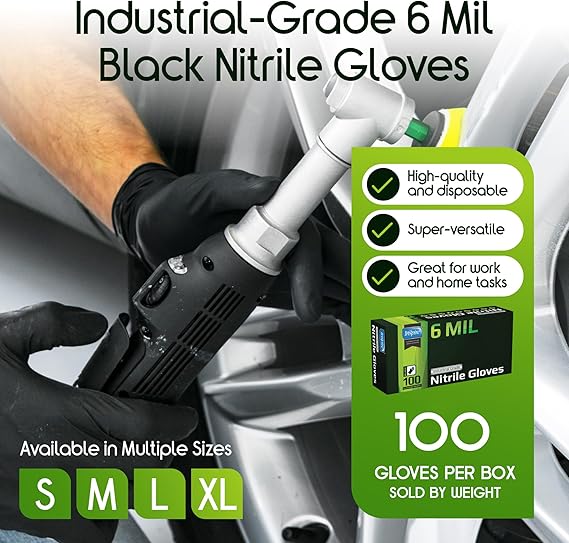
- Nitrile Gloves: Oil and chemical-resistant, suitable for environments with high oil or chemical contact.
The following are several popular choices of food-grade gloves on the market:
- Brand A’s Latex Gloves: Offering a range of colors and thickness options, suitable for everyday kitchen use.
- Brand B’s PE Gloves: Lightweight and breathable, suitable for packaging and general food contact.
- Brand C’s PVC Gloves: Economical, oil and alkali-resistant, suitable for the fast-food industry.
- Brand D’s Nitrile Gloves: Oil and chemical-resistant, suitable for high-oil or chemical contact environments.
When using food-grade gloves, the following points should be noted:
- Ensure the gloves are undamaged before use to avoid contaminated food contact with torn gloves.
- Replace gloves regularly to prevent the growth of bacteria.
- Clean gloves properly and store them properly to avoid cross-contamination.
- Dispose of gloves properly after use to avoid environmental pollution.
Key factors for selecting food-grade gloves
when choosing food-grade gloves, the subsequent key factors need to be taken into consideration:
-
fabric: The cloth of meals-grade gloves is the number one thing to recollect. commonplace substances consist of natural latex, polyvinyl chloride (%), polyethylene (PE), and nitrile (NBR). natural latex gloves provide a tender touch but can also cause hypersensitive reactions; % gloves are durable and moderately priced however may additionally comprise phthalates; PE gloves are light-weight and environmentally friendly however have negative oil resistance; nitrile gloves are oil and chemical resistant, appropriate for excessive-call for environments.
-
Antimicrobial houses: in the course of food processing, gloves want to have precise antimicrobial properties. choosing gloves with antimicrobial treatments can efficaciously reduce the hazard of move-infection. some gloves in the marketplace use natural antimicrobial components inclusive of silver ions or tea tree oil to offer more secure safety.
-
Anti-slip homes: In moist or greasy working environments, the anti-slip residences of gloves are important. choosing gloves with a textured or coated floor can boom friction among the hand and gadgets, stopping slips.
four. Breathability: long-term wearing of gloves with negative breathability can cause sweating, affecting operation. choosing gloves with accurate breathability helps hold the arms dry and improves consolation.
-
match: the dimensions and form of the gloves ought to suit the wearer’s fingers. Gloves which can be too small or too large can affect operation and even result in glove breakage. deciding on the right length ensures consolation and avoids inconvenience at some point of operation.
-
Ease of donning and Doffing: The design of food-grade gloves must be smooth to position on and take off to save time and reduce the chance of go-infection. some gloves use self-adhesive or one-pull-collectively designs for short donning.
-
Compliance with standards: pick gloves that meet countrywide or worldwide meals safety standards, such as GB 17433 “wellknown requirements for Plastic and Rubber merchandise in touch with meals.” these requirements make sure that gloves do no longer launch harmful materials whilst in touch with food.
-
charge and value for money: inside the context of meeting the above requirements, recollect the fee and fee for money of the gloves. expenses of gloves from extraordinary brands and materials can range substantially, and choosing gloves with suitable value for cash can lessen charges.
-
Lifespan: apprehend the lifespan of the gloves to devise the substitute cycle correctly. long-term use of the identical pair of gloves can lead to glove wear and lack of defensive effectiveness.
-
logo and After-income service: choose gloves from brands, as they commonly offer better nice assurance. moreover, knowledge the emblem’s after-income carrier, inclusive of return and alternate rules, can assist solve any issues that can arise at some point of use.
Common types of food-grade gloves and their characteristics
food-grade gloves play a important role in the discipline of food processing and catering offerings, serving as a key fitness protection measure. under are several not unusual varieties of food-grade gloves and their characteristics:
-
Latex Gloves: Latex gloves are broadly used for his or her accurate elasticity and suit. they may be typically crafted from natural latex and provide appropriate tear resistance and oil resistance. suitable for managing meals like meat and seafood, but they’re now not endorsed for prolonged use as latex gloves may reason allergies in a few individuals.
-
Nitrile Gloves: Nitrile gloves are a form of artificial rubber glove with terrific resistance to chemical compounds and oils, making them resistant to being eroded by means of materials like oils, acids, and bases. they may be friendly to humans with allergic situations as they do not contain latex. appropriate for environments such as food processing and laboratory operations.
three. PE Gloves: Polyethylene (PE) gloves are a disposable glove that is cost-effective, with true resistance to chemical compounds and oils. they’re typically used for simple meals touch, along with packaging fruits and greens. however, due to their bad breathability, they may be now not suitable for prolonged put on.
four. p.c Gloves: Polyvinyl chloride (%) gloves have true oil and chemical resistance, but less elasticity than latex or nitrile gloves. percent gloves are moderately priced and appropriate for food processing environments in which allergic reactions aren’t a challenge.
-
Disposable PVA Gloves: Polyvinyl alcohol (PVA) gloves are an environmentally pleasant type of glove this is biodegradable, making them friendly to the surroundings. they’ve appropriate water resistance, appropriate for contact with water-based totally ingredients, inclusive of washing end result and veggies.
-
Cotton Gloves: Cotton gloves are commonly used for cleansing meals touch surfaces and managing, presenting accurate moisture absorption and breathability. but, they have poor resistance to chemical compounds and are not suitable for direct touch with greasy or acidic ingredients.
-
Nylon Gloves: Nylon gloves have excessive wear and tear resistance, making them suitable for heavy-responsibility labor and environments where long-time period put on is required. however, they may be no longer suitable for direct meals touch as they will comprise dangerous materials.
while choosing food-grade gloves, remember the following factors:- fabric: pick the perfect fabric primarily based at the characteristics of the meals and processing environment.- durability: recollect the frequency of use and length of glove wear, selecting durable gloves.- protection: make sure that the gloves incorporate no dangerous chemicals, consisting of heavy metals or plasticizers.- comfort: The healthy and breathability of the gloves are vital for extended wear.- fee: pick gloves that offer appropriate fee for cash based in your finances.

Recommend several food-grade gloves.
-
Latex Gloves: Latex gloves are widely utilized in meals processing due to their exceptional elasticity and water resistance. They successfully prevent direct touch among hand bacteria and food, but it is vital to note that they’ll motive hypersensitive reactions in a few people.
-
Nitrile Gloves: Nitrile gloves are a latex-free alternative and are suitable for folks that are allergic to latex. they have got true resistance to chemicals and are ideal for handling oils, fats, and different ingredients, at the same time as also presenting excellent protection.
-
PE Gloves: Polyethylene (PE) gloves are a form of disposable glove recognised for his or her value-effectiveness and true oil resistance. they may be suitable to be used in food packaging and easy cleaning duties, however have particularly vulnerable warmness resistance and defensive effects.
four. % Gloves: Polyvinyl chloride (percent) gloves have properly resistance to chemicals and oils, making them appropriate to be used in kitchen environments and different meals processing settings. however, they’ve poor warmth resistance and are not appropriate for excessive-temperature environments.
-
Nylon Gloves: Nylon gloves are regarded for his or her excessive energy and wear resistance, suitable for heavy-obligation food processing paintings. they may be oil and heat resistant, but are fantastically steeply-priced.
-
Cotton Gloves: Cotton gloves are primarily used for initial cleaning and protection before food packaging, appropriate for low-temperature environments. they have got right sweat absorption, however terrible resistance to oils and chemical compounds.
-
Disposable meals-Grade PE Gloves: these gloves are crafted from food-grade polyethylene material, odorless and non-poisonous, and are suitable for direct contact with meals. they’re usually used in food processing and catering services.
eight. Disposable meals-Grade PVA Gloves: Polyvinyl alcohol (PVA) gloves are an environmentally friendly kind of glove with accurate biodegradability. they are appropriate for unmarried-use packages and are used in meals processing and laboratory operations.
-
Disposable food-Grade Nitrile Gloves: those gloves are crafted from meals-grade nitrile fabric, presenting resistance to oils and chemicals, and are appropriate for coping with ingredients that comprise oils and fats.
-
Disposable food-Grade Latex Gloves: even though latex gloves may additionally reason hypersensitive reactions in a few people, they may be nonetheless widely used in meals processing. opting for powder-loose or low-powder latex gloves can lessen the risk of allergies.

User and Maintenance Guide
deciding on the correct food-grade gloves is important for ensuring food safety. here are a few hints for using and maintaining meals-grade gloves:
-
material selection: make certain that the glove cloth is non-poisonous and harmless. commonplace meals-grade glove substances consist of herbal latex, % (polyvinyl chloride), PE (polyethylene), and nylon. Latex gloves are tender and comfy, p.c gloves are long lasting and moderately priced, and PE gloves are regularly used for unmarried-use gloves.
-
Wash hands very well: before sporting gloves, fingers should be thoroughly wiped clean with soap and strolling water, and disinfectant ought to be used if essential.
-
proper carrying: Gloves should healthy the hand properly, however no longer too tightly to keep away from impeding movement. whilst carrying them, avoid touching the out of doors of the gloves to save you infection.
-
keep away from cross-Use: exceptional stages of gloves (inclusive of those used for uncooked and cooked meals) must be used one at a time to prevent go-contamination.
-
regular replacement: Gloves have to be modified often in the course of use, specially when they may be damaged, moist via, or visibly dirty.
-
right Disposal: After use, gloves must be removed right away and disposed of in step with nearby fitness regulations, commonly in exact waste bins.
-
storage conditions: Unused gloves have to be stored in a dry, easy surroundings, away from direct daylight and high temperatures to prevent material growing old.
-
keep away from Reuse: single-use food-grade gloves are designed for one-time use and should no longer be reused to keep away from move-contamination of bacteria and viruses.
-
be aware Glove Thickness: The thickness of the gloves must be selected based on the paintings environment and person needs, providing sufficient protection whilst preserving hand comfort.
-
inspect Glove Integrity: before use, check for any tears, holes, or cracks inside the gloves, as any harm should allow bacteria and viruses to penetrate.
-
follow Operational requirements: within the technique of meals processing and coaching, it is vital to strictly observe hygiene operation standards, with using gloves being one of the key measures.
-
preserve paintings environment: further to the usage of gloves, maintaining a easy work environment is important to stopping food infection, ensuring the cleanliness of labor surfaces, device, and equipment.
with the aid of following those suggestions, you may successfully enhance the hygiene degree within the technique of meals processing and education, making sure meals protection and client health.